
The Joyful Almanac - September
I’m 41 this month.
Which should probably feel significant in some way that I’m not entirely sure I’ve worked out yet. But here’s what I do know: I bought a new notebook last week, with thick cream pages and the cover is pristine, and when I opened the first page and smelled it, I felt exactly the same thing I felt at eleven years old on the first day of September.
The Joyful Almanac - August
August doesn't announce itself. It just - softens.
The light changes first. Not suddenly, not dramatically, just one morning you step outside and everything is the colour of honey. Not June's bright dazzling clarity, not July's thick gold. Something quieter than both. The particular amber warmth of a month that knows it's the last of its kind, and is taking its time about it.
The fields around Somerset have already been harvested, the golden stubble glowing in the evening sun, dust hanging lazily in the still air as the tractors move from field to field. The house wakes already warm. The curtains barely move.
What If Joy Is the Bravest Thing?
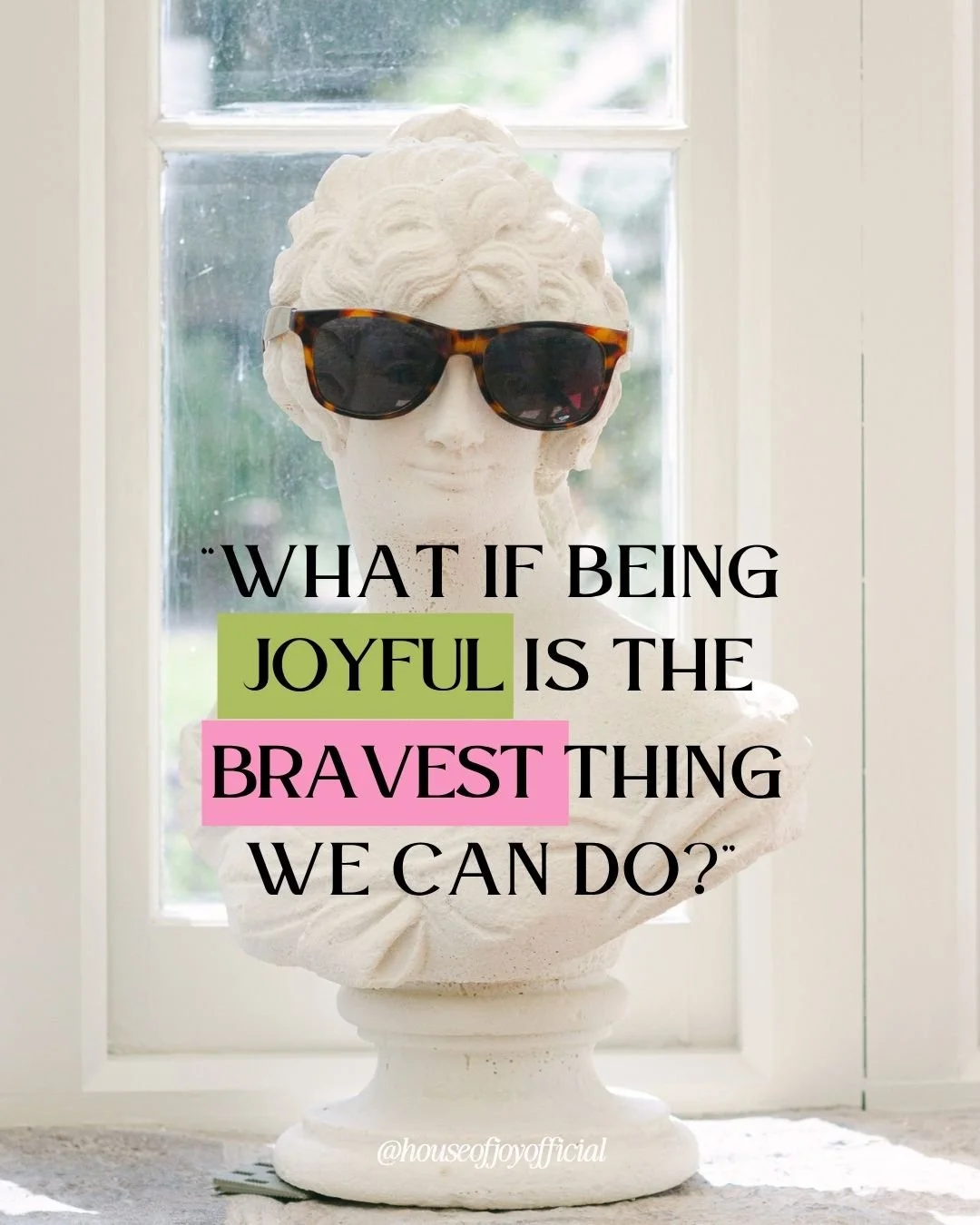
Here’s a question that’s been living rent-free in my head: What if being joyful is the bravest thing we can do?
Because if you think about it, society doesn’t exactly cheer us on when we choose joy. In fact, we’ve been conditioned to think of it as immature, frivolous, selfish, even childish. Joy isn’t “serious.” It’s not an achievement. It doesn’t pay the bills.
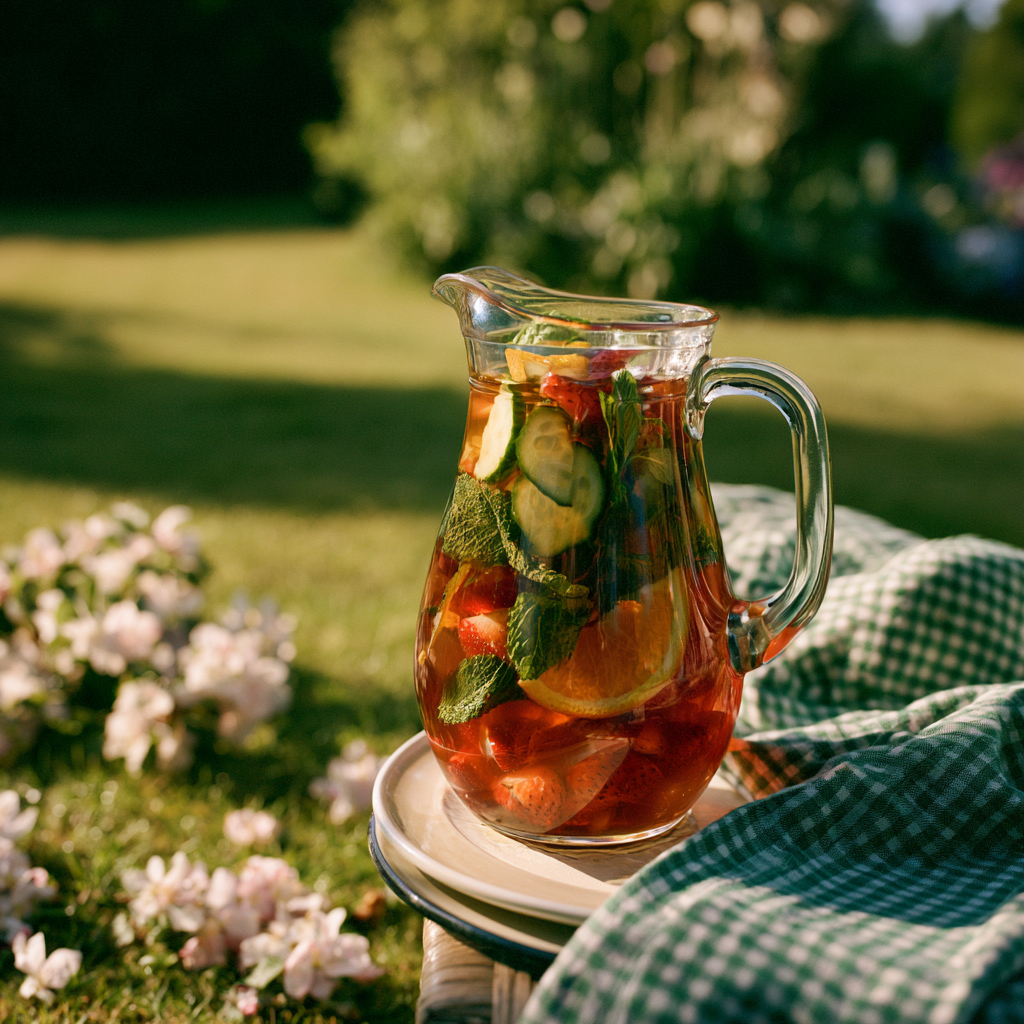
The History of Pimm's: Britain's Most Beloved Bottle of Summer
Picture the scene. It's around 1840, in the City of London. Not the gleaming glass-and-steel City of today, but the cobbled, fog-soaked, intensely smelly original — all counting houses, coffee shops, and the ever-present rumble of commerce. A man named James Pimm runs an oyster bar near the Bank of England. He's been there since 1823, when he arrived from Kent with shellfish, ambition, and a farmer's son's appetite for hard work. His customers are bankers, brokers, merchants, men in a hurry between transactions. And in a flash of genius that would echo through two hundred years of British summers, he starts serving them a drink.
The Joyful Almanac - Jul
July doesn't arrive with June's fanfare. It just, kind of settles.
Like the moment in a long perfect summer's day when you stop checking the time and simply stay where you are. Like the scene in Dirty Dancing when Baby finally stops trying to plan everything and just, dances. July is that. The month you stop managing summer and start actually being in it.
The ancient Romans called this month Quinctilis - the fifth - before Julius Caesar renamed it after himself with the quiet confidence of a man who was clearly having an excellent year.
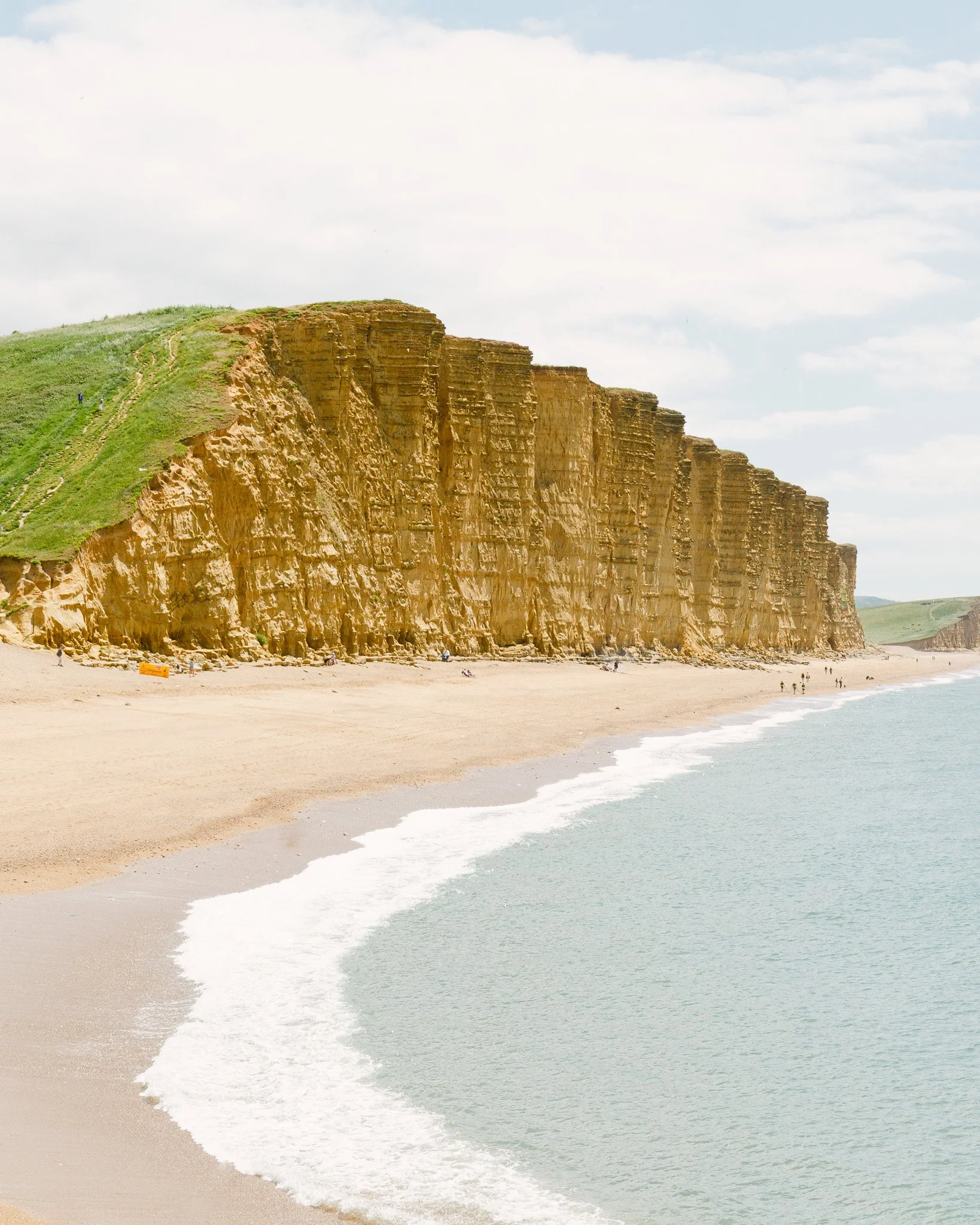
The Best Picnic Spots in Dorset
It was October 2002 and I was seventeen years old. A man I absolutely wasn't calling my boyfriend had driven me to the coast, West Bay, Dorset, the Jurassic Coast's golden cliffs rising at either end of a small harbour, and we ate warm doughnuts standing on the pier.

In Defence of the Soggy Sandwich
I have a confession.
When I started The Duchess of Picnics, my entire brand philosophy was built on four words:
No soggy sandwiches. Ever.
I wanted the perfect hamper. The linen napkins. The Fortnum's tin. The aesthetic so beautiful it belonged in a Nancy Meyers film — golden light, wicker, something in a vintage French mustard jar that nobody could quite identify but everyone wanted to eat.
I cringe slightly typing that. Not because it isn't still beautiful — it absolutely is, and I still love all of it — but because I'd made a fundamental mistake about what picnics are actually for.
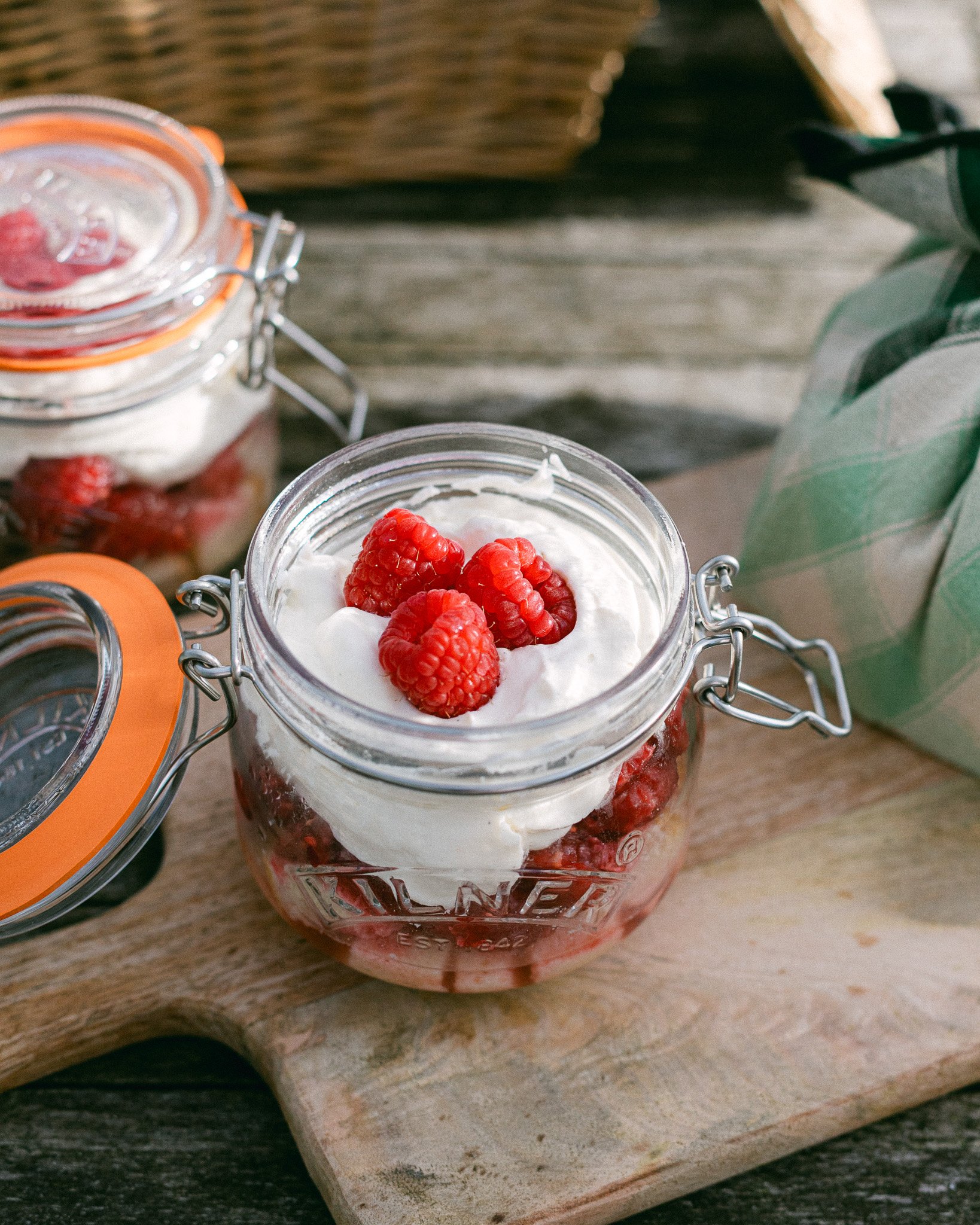
The Duchess's Garden Party Trifle Jar
There is a category of dish that I think about more than I probably should. The arrives looking like you didn't try category. The thing that comes out of the cool bag at the picnic and makes people put down whatever they were holding and say oh. The thing that photographs itself.
This trifle jar is that thing.
I developed it specifically for the Battle Proms — because if you're going to sit on the grounds of Highclere Castle as the sun goes down and an orchestra plays and a a Spitfire dances overhead, you need a pudding that is equal to the occasion. And a supermarket tiramisu in a plastic pot, however excellent, is not quite equal to Highclere Castle.
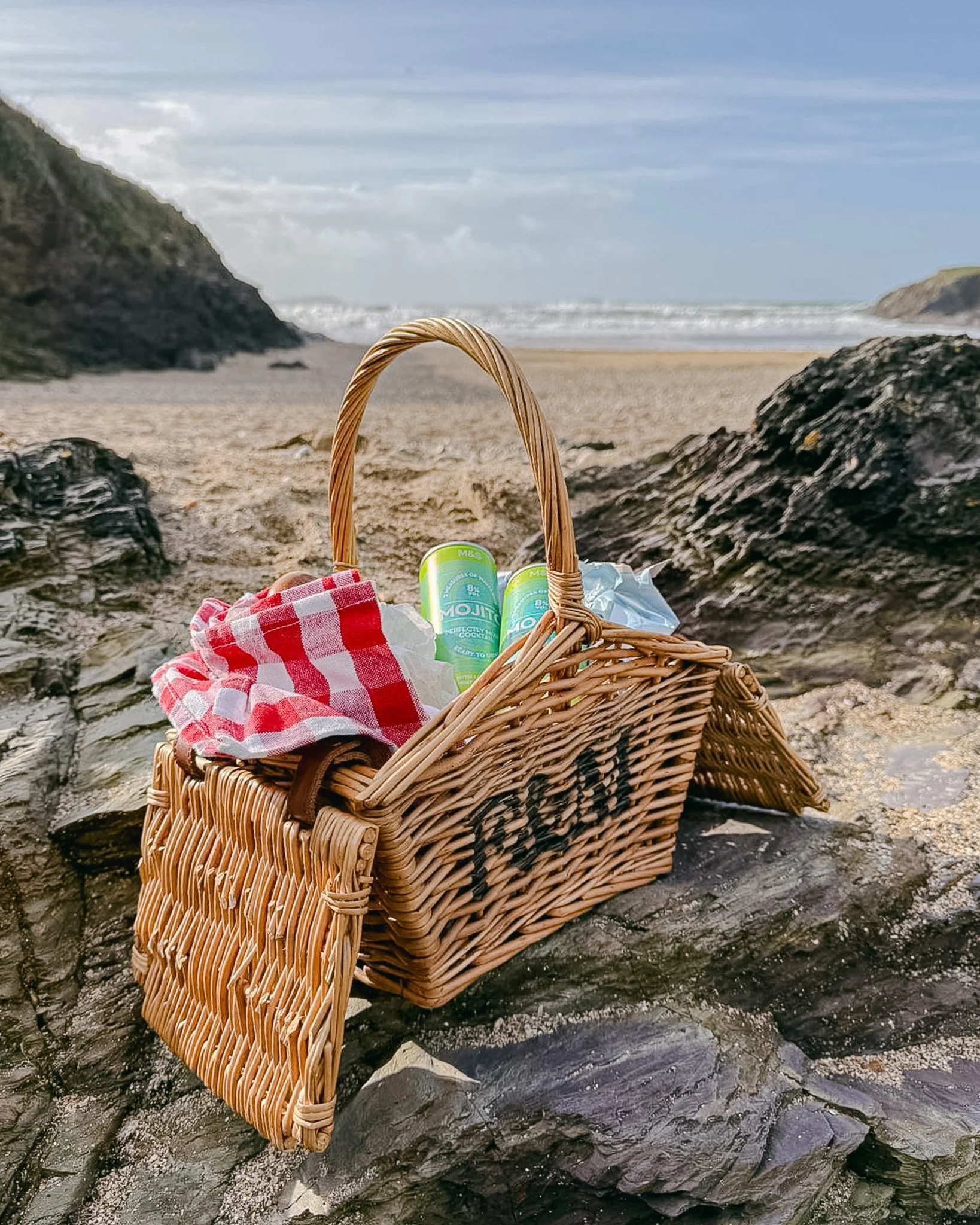
Five Truly British Ways to Picnic This Summer
There is no country on earth that picnics quite like Britain.
We do it in the rain. We do it on a Thursday. We do it on a patch of sparse grass between a bandstand and a litter bin, and we make it feel like the most civilised afternoon imaginable.
But there is a spectrum to the British picnic, a glorious range that runs from the spontaneous (blanket from the boot, emergency cheese from the corner shop) to the genuinely spectacular. And this summer, I want to make sure you experience as much of that spectrum as possible.
Because the summer British picnic season is short, and it is precious, and it deserves to be used.
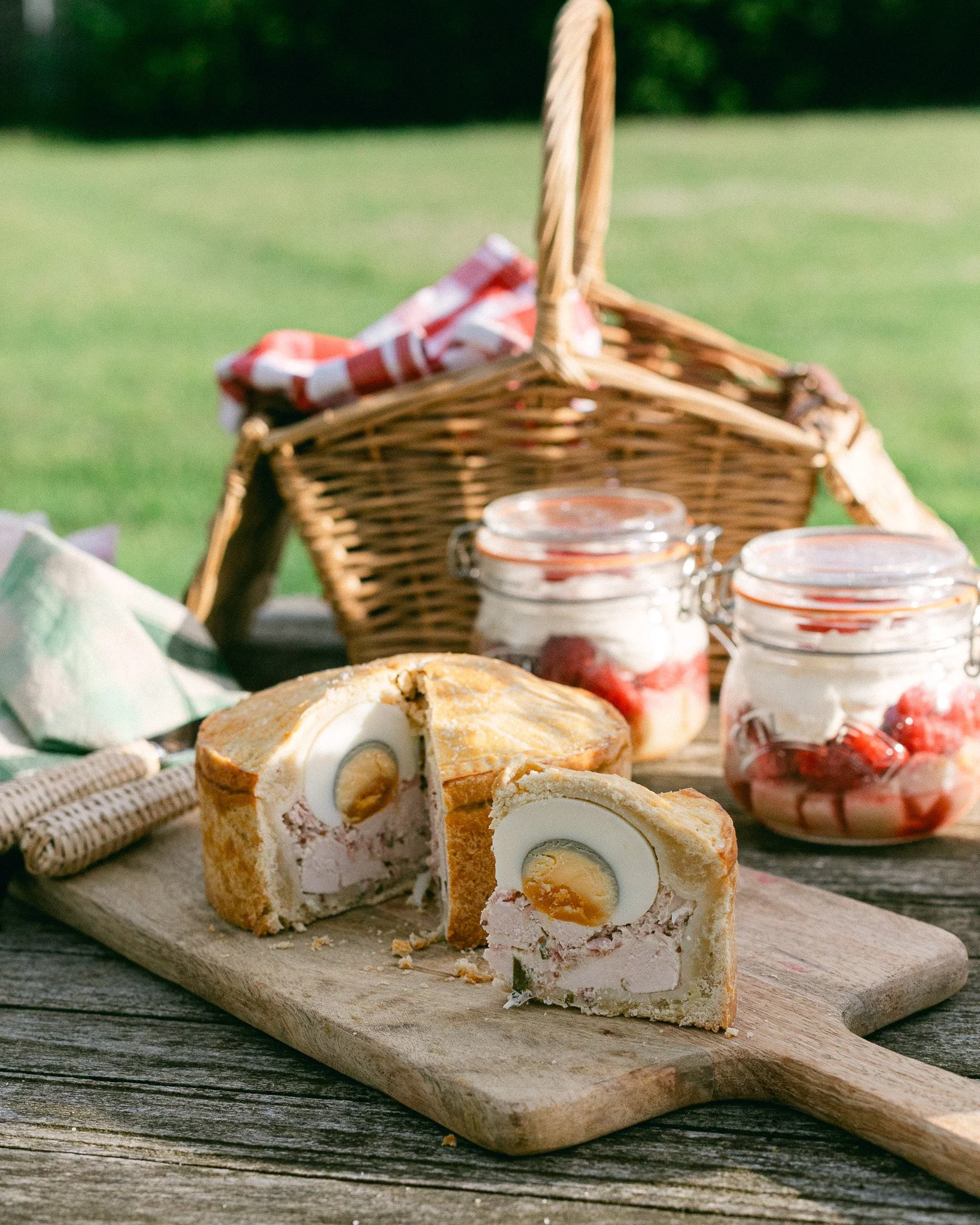
The Duchess's Picnic Pie
There is a moment at a picnic that I live for.
Not the unpacking — though that's good. Not the first bite — though that's excellent. It's the moment just before the first slice of pie, when the knife goes in and everyone goes quiet without quite meaning to. That half-second of collective breath-holding. And then the reveal: a perfect crescent of golden egg in the centre of every slice, set into the filling like it was always meant to be there.
Joy in Gathering & Connection
My daughter's birthday party had a guest list of roughly forty children, zero decorations, and absolutely no clearing up.
This was not a failure of planning. It was the plan.
When my three were small, I discovered something that has quietly shaped everything I've done around gathering since: the best parties happen when you stop hosting them. We rocked up to the local park with a cake, a handful of party bags, and a picnic for just our three. Everyone else brought their own. The children ran and climbed and did what children do in parks in June when the grass is warm and nobody is telling them to stay clean. We sang happy birthday around a picnic cloth on the ground. We ate cake in the sunshine. And then we went home.
The Joyful Almanac - June
June walked in, looked around, and decided she owned the place.
And honestly? I’m not arguing.
This is the month everything clicks into place — the doors open and stay open, the garden becomes a room you actually live in, the evenings stretch so long and golden that going inside never quite feels necessary. Life is easier in June. Less coat, less hurry, less guilt about staying in the park a bit longer or lingering over a second glass because the light is still doing that thing and nobody wants to be the one who ends it.
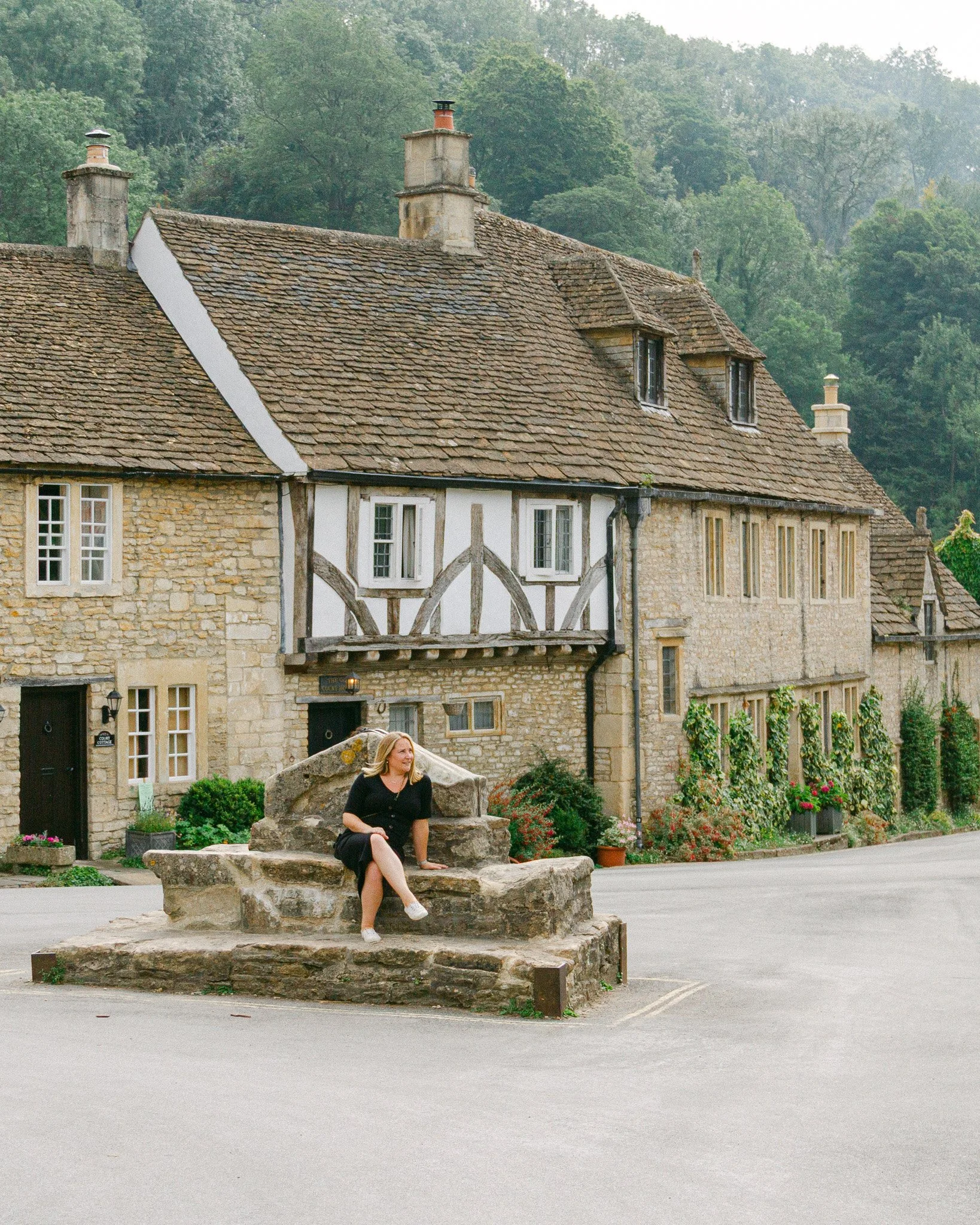
The Best Picnic Spots in Wiltshire
Here is a thing I have never told anyone.
For two years, I drove through Avebury Stone Circle every single morning on my way to dance college in Swindon. Past the standing stones. Through the village. Past the sheep. At 8am, in the rain, in a Vauxhall Corsa with a flask of tea propped against the gearstick.
I was eighteen. I thought I was in a hurry.

Picnic Icons: The Village Fete
Paula Sutton of Hill House Vintage wrote something in Country Living recently that I haven’t been able to stop thinking about. She was describing her Norfolk village fête — the bunting politics, the cake table, the judge who once borrowed a hedge trimmer from a competitor and will never fully escape that fact — and she ended with this:
“Everyone leaves slightly sunburnt or mildly damp and carrying a plant they hadn’t planned on buying.”
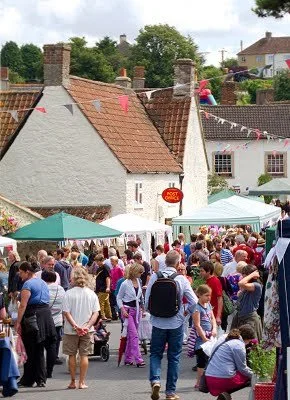
Why the Village Fête Lives in Us Forever
Paula Sutton of Hill House Vintage wrote something recently in Country Living that stopped me mid-cup of tea.
She was writing about her Norfolk village fête — the bunting politics, the cake competition, the particular passive-aggressive undercurrent of a judge who once borrowed a hedge trimmer from a competitor and will never, ever fully escape that fact. And at the very end, she wrote this:
"Everyone leaves slightly sunburnt or mildly damp and carrying a plant they hadn't planned on buying."
I read it three times. Sent it to my mum. Thought about it for the rest of the week.
National Picnic Week 2026
Somewhere in Britain right now, someone is looking out of a window at a sky that can't quite decide what it wants to do, thinking: maybe next week. Maybe next week I'll finally do the picnic. Maybe when it's warmer. Maybe when I've got the right basket. Maybe when the children are less feral, the grass isn't damp, and I've found a recipe that isn't just a sad bag of crisps and apology.
Here is what I want to say to that person, very gently, with deep affection: stop waiting.
How to Plan a Picnic You'll Actually Remember
Here is the thing about the picnics you remember.
They're never the ones where everything went to plan. They're the ones where someone said something worth keeping. Where the children did something you're still telling people about three years later. Where the light went golden at exactly the right moment and nobody could quite bring themselves to leave, so you stayed until the sky told you it was time.
The Picnic Chronicles, Vol. III: Ancient Greece — When the Symposium Went Outside
Here is a thing about the ancient Greeks that nobody tells you.
They weren't particularly bothered about the food.
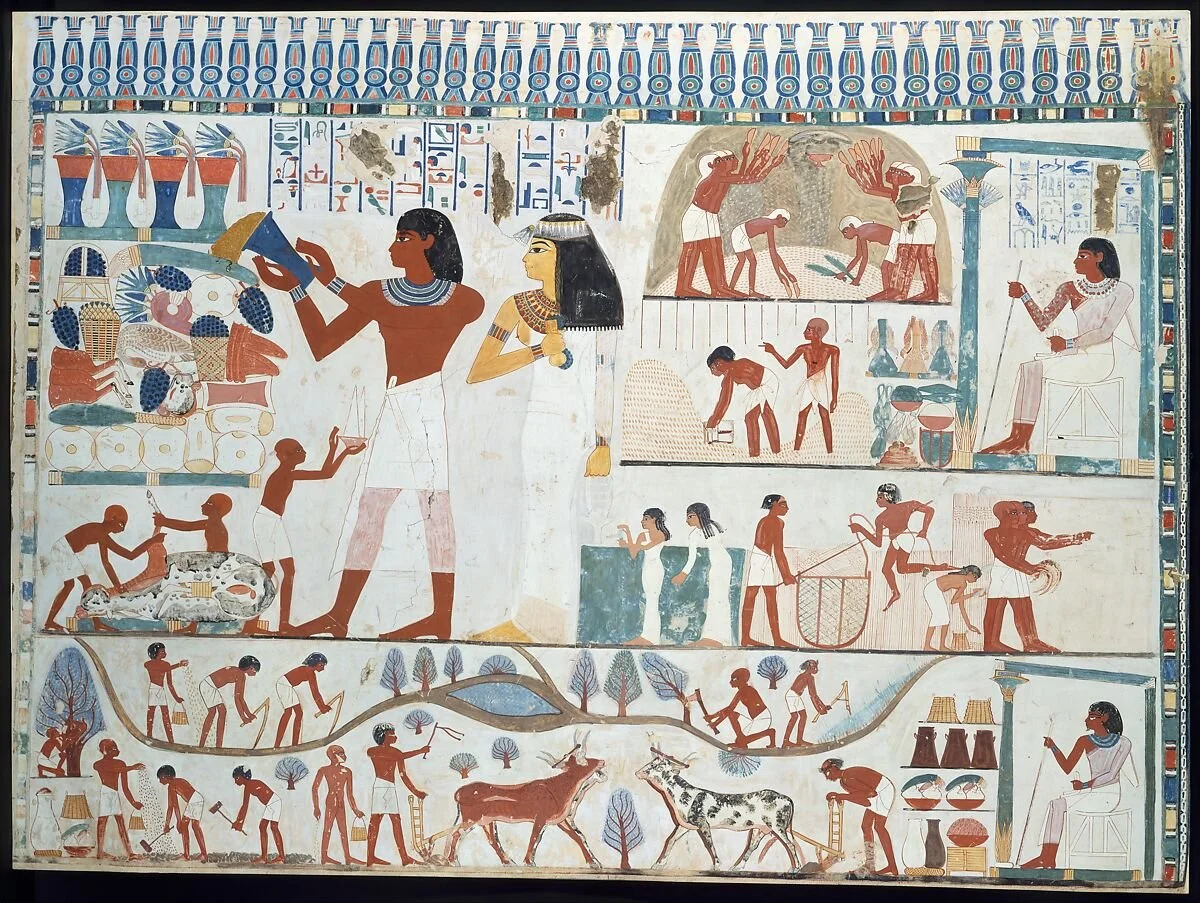
Not really. Not compared to the Romans, who built entire rooms facing the best garden view and developed a fish sauce so powerfully good it survived two thousand years and lives on quietly in your Worcestershire sauce. Not compared to the Egyptians, who packed food for the afterlife and hosted annual feasts beside the tombs of their dead.
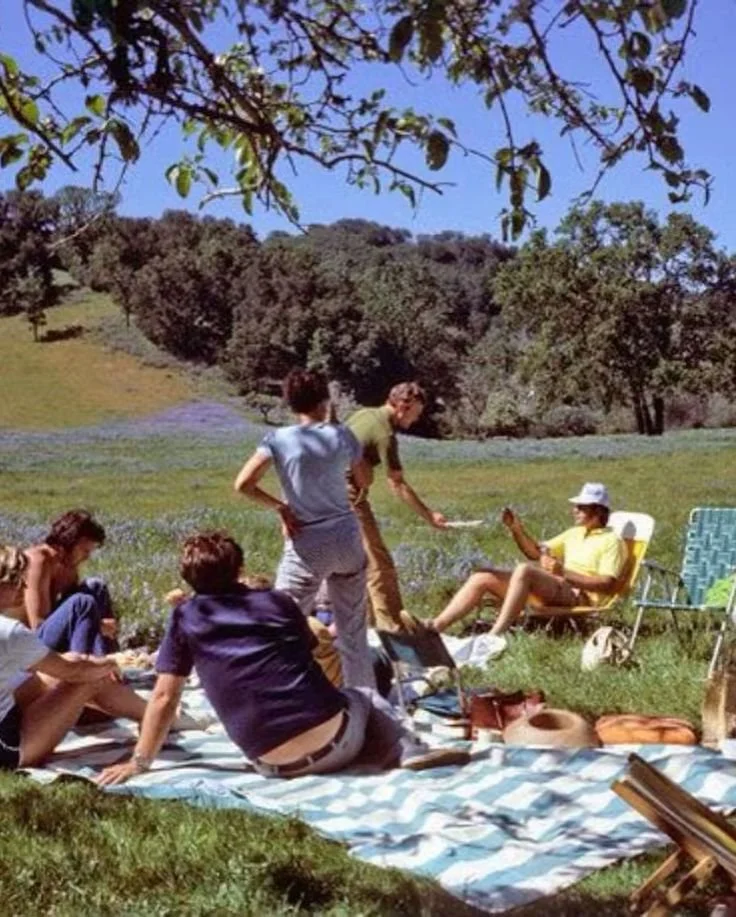
Why You Feel Better After a Picnic (Even When Nothing 'Special' Happens)
It's the Tuesday after. Nothing particular is happening. You're rinsing mugs or folding laundry or sitting in traffic and you notice — quietly, without quite being able to explain it — that you feel different.
Not transformed. Not fixed. Just . . . better. Lighter, somehow. More like yourself. As though a window got opened somewhere and the air has been different ever since.
The Joy of Talking to Strangers
My son Theo will make you wait.
Not out of rudeness. Out of necessity. Because if we pass anyone — anyone at all — on a public footpath, in a farm shop, at a village fête, in a car park, at a school gate, in a queue for literally anything — Theo needs to say hello. And not a polite, performative, let's-keep-walking hello. A proper one. An interested one. The kind that comes with follow-up questions.