
The Best Spring Picnic Spots in Somerset
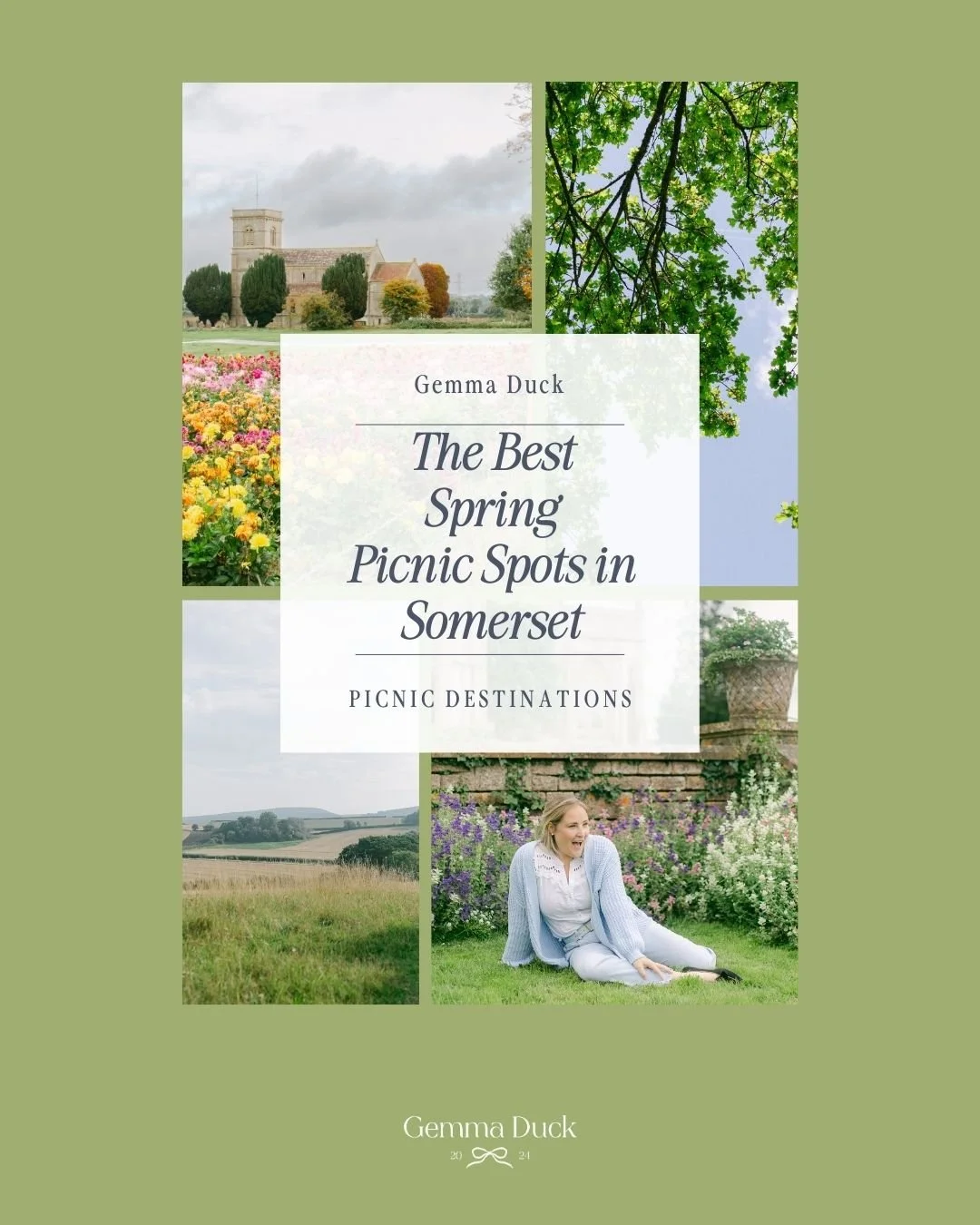
Eight places to spread a blanket before summer arrives and everyone else has the same idea.
Spring doesn't send a calendar invitation. It just shows up — usually on a Tuesday, while you're doing something entirely unrelated — and suddenly the air smells different, the light is doing something ridiculous through the kitchen window, and you're looking at the children and thinking: we need to go outside. Right now. Before it changes its mind.
We've done this enough times to know how it goes. One minute we're in coats. The next we're not. Then we're freezing again. Then someone's dad has quietly disappeared and returned with chips and a slice of cake. The Co-op meal deal, grabbed from the nearest village shop because we decided to stay out longer than planned, is a perfectly legitimate spring picnic strategy. I stand by this.
Spring picnics aren't planned. They happen. Someone says 'shall we just go?' on a Saturday morning and before you've found everyone's shoes, you're already halfway out the door.
But the spontaneity is part of it. Those long, bright evenings stretching out in front of you. Birds collecting sticks for nests. The smell of the first freshly cut grass of the year. Sunglasses that are genuinely necessary — that spring sunshine is beautiful and also absolutely blinding. Bluebell hunting with the children, pointing excitedly at the purple floor of a woodland, feeling six years old again. I'll be honest: as a child I was fairly convinced I'd grow up to be a princess, and something about rounding a corner into a bluebell wood still makes me feel that way. The floor turns purple, the light filters through the new leaves, and you forget entirely that you were ever busy.
Somerset in spring is extraordinary. These are the eight spots worth making the most of — before summer arrives and everyone else has the same idea.
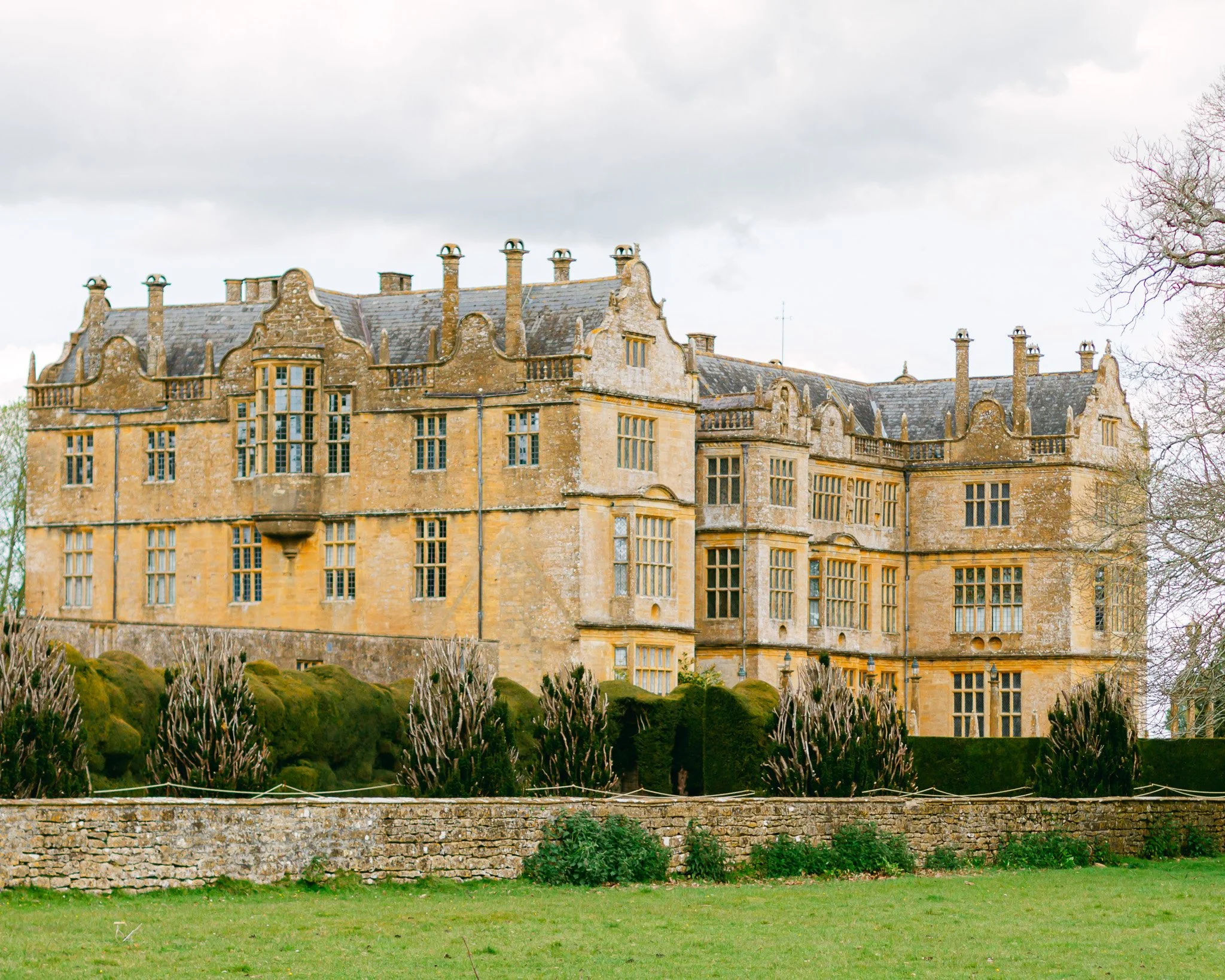
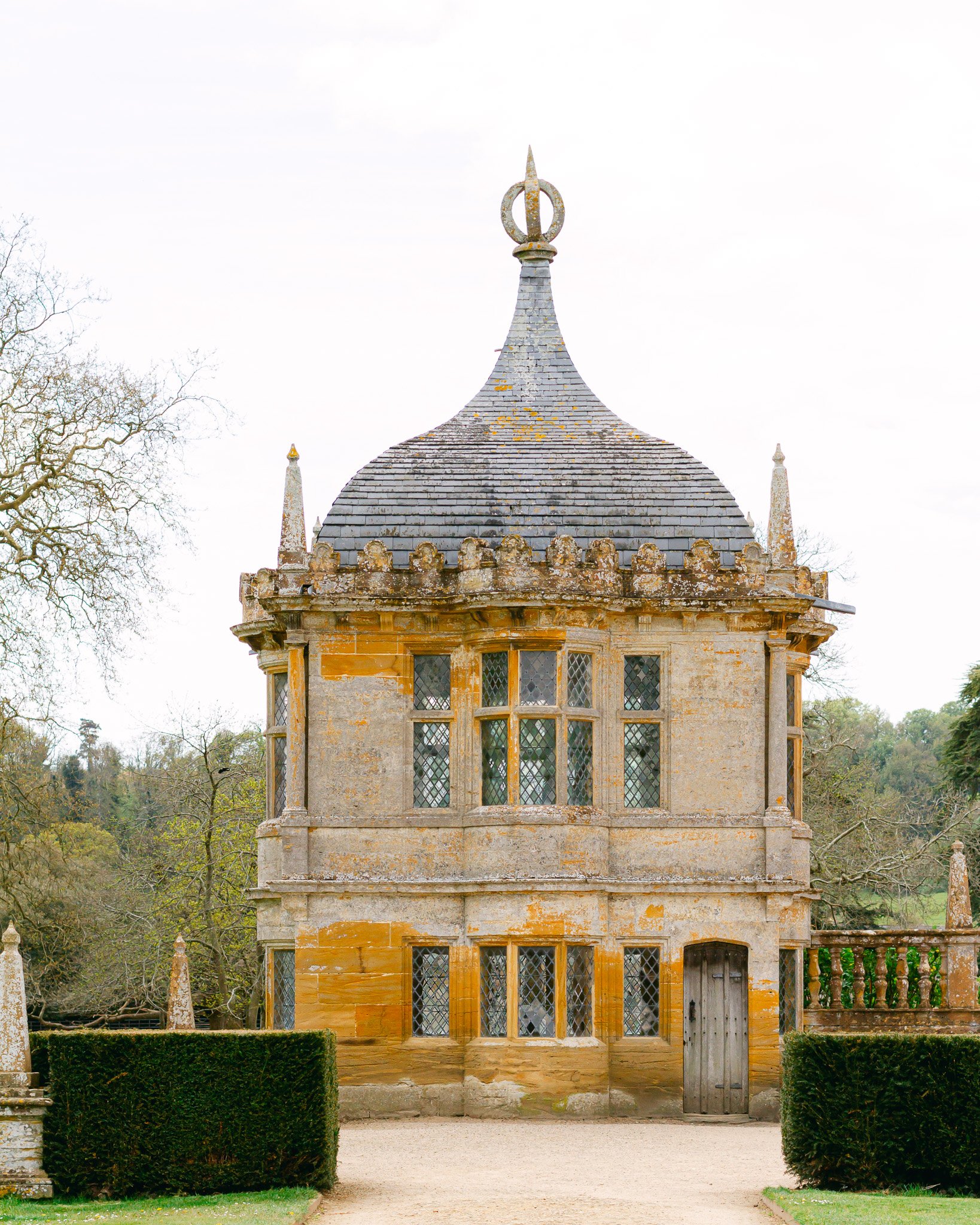
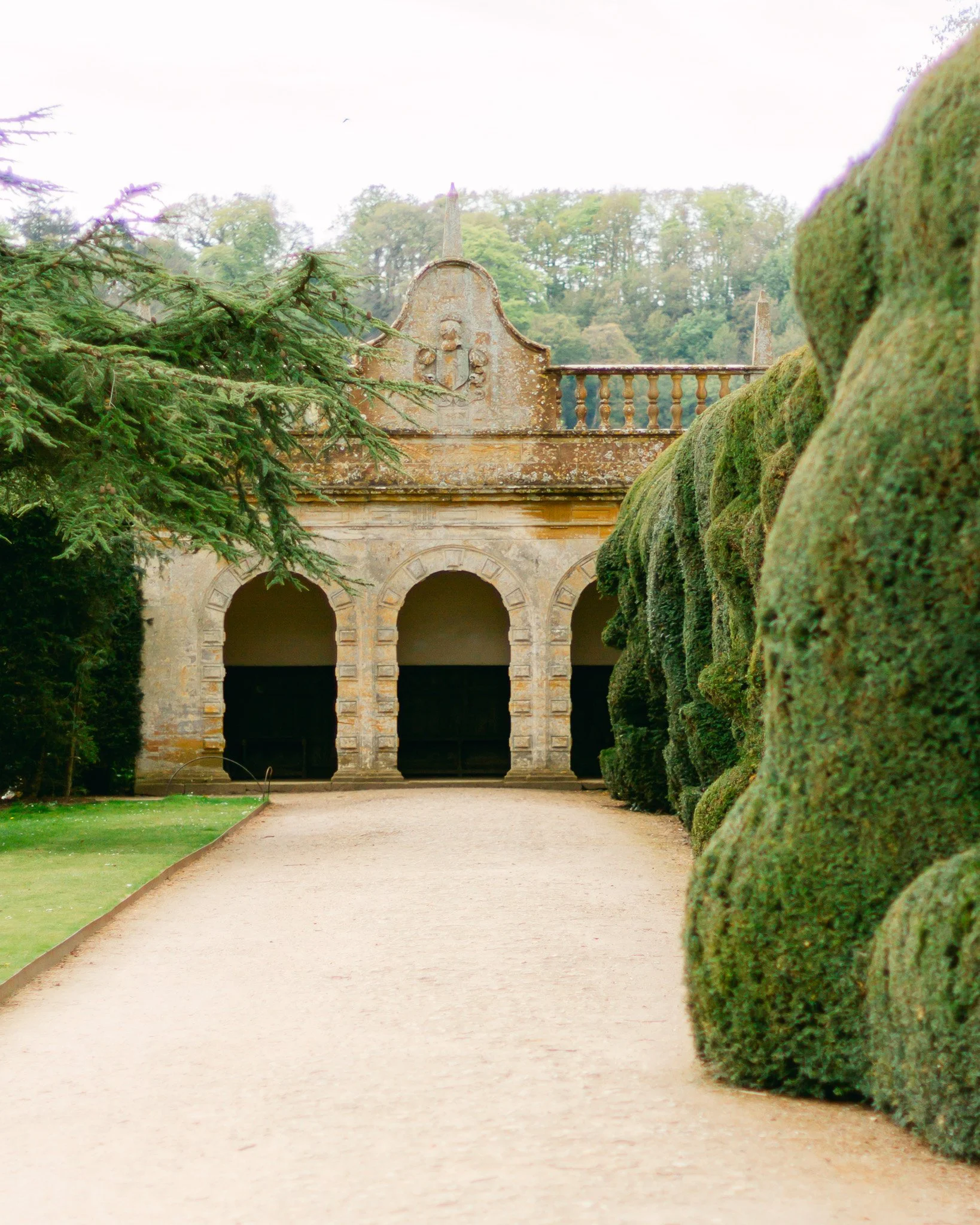
1. Montacute House
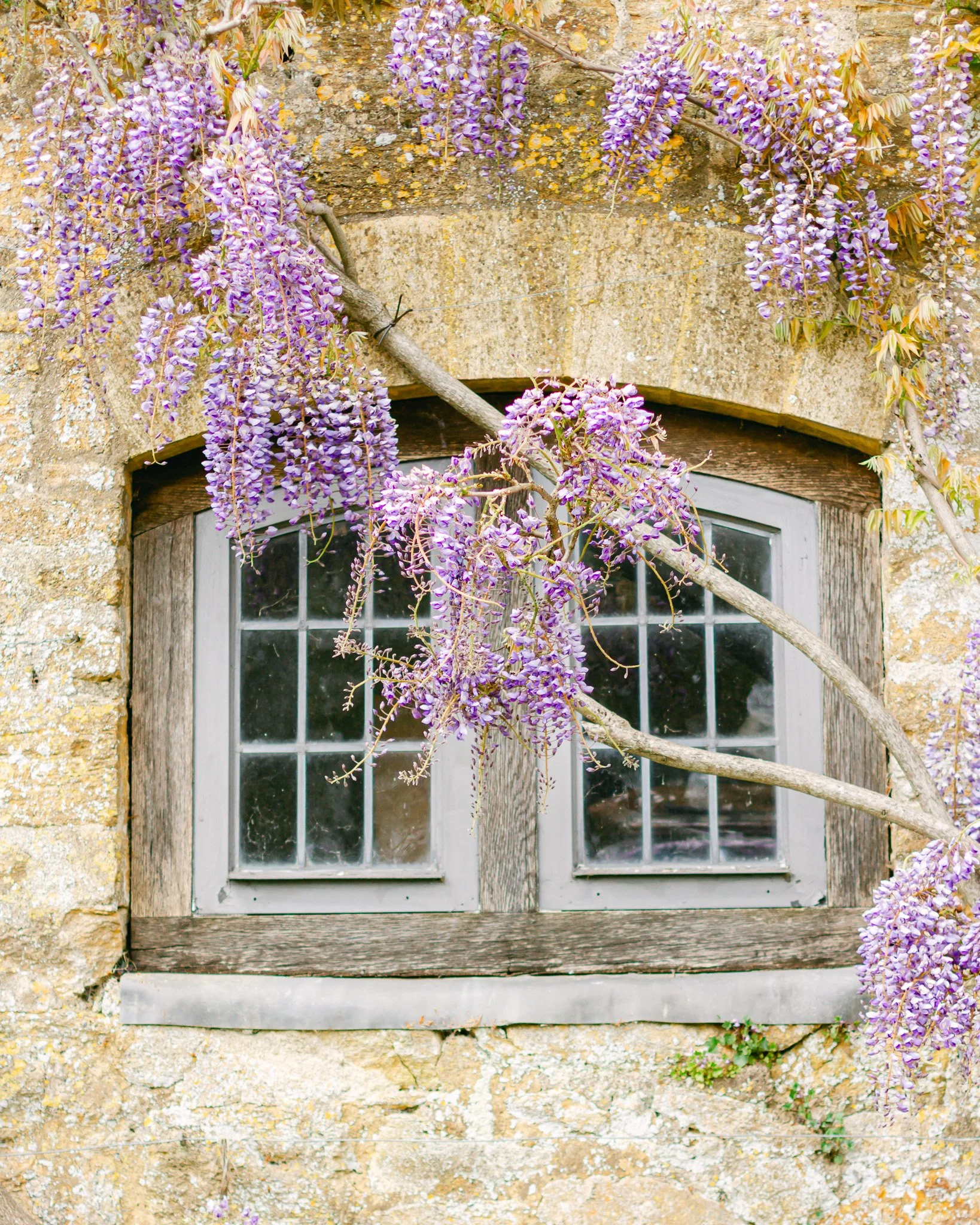
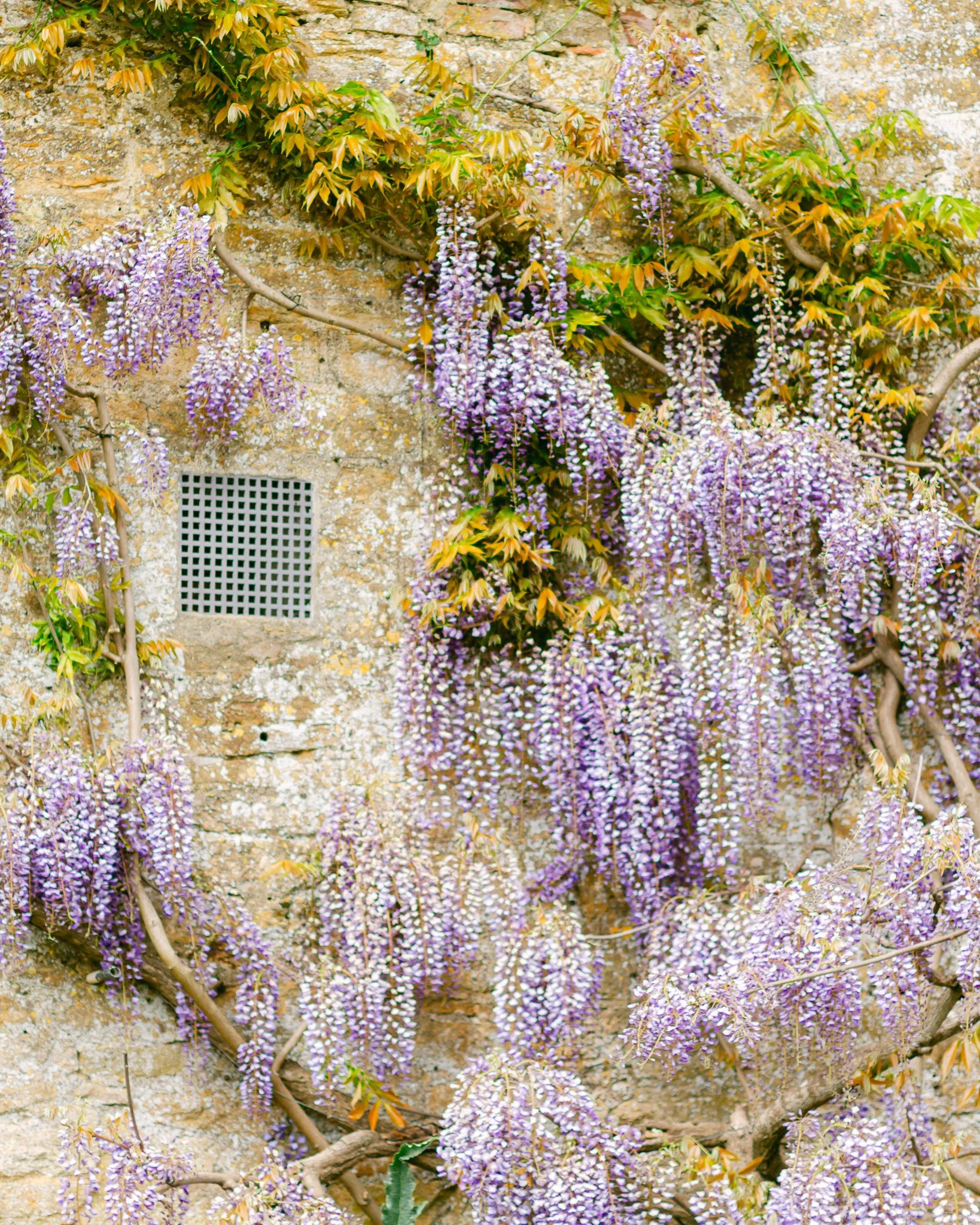
The wisteria. That's it. That's the whole reason.
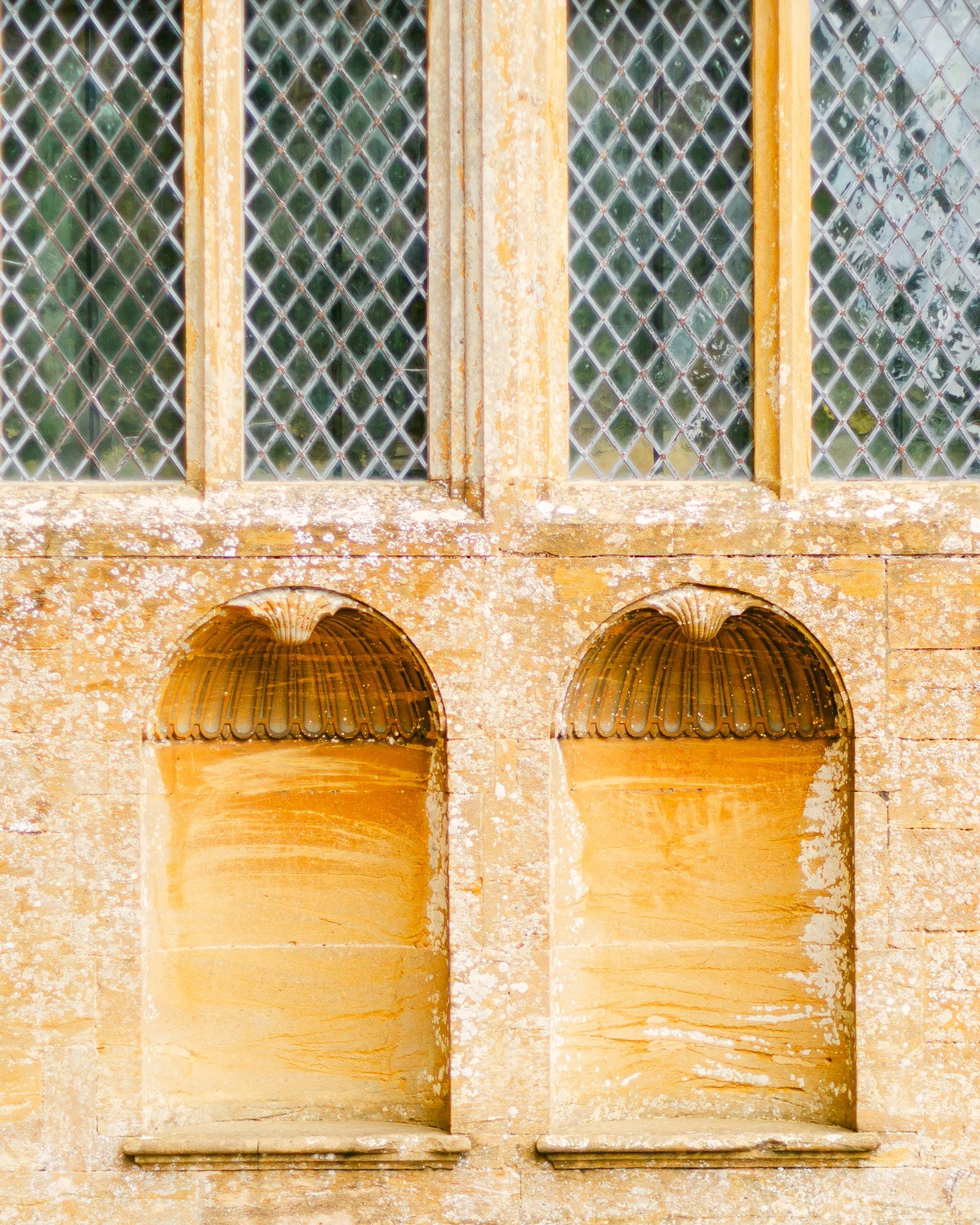
There are things you put off seeing because you assume they'll always be there. The wisteria at Montacute House is not one of those things. It blooms for a matter of weeks in late April and May, cascades across the warm Ham stone of the house in long purple curtains, and then it's gone. If you time it right, you will see one of the most photographed and genuinely breathtaking sights in all of Somerset. If you miss it, you'll have to wait another year.
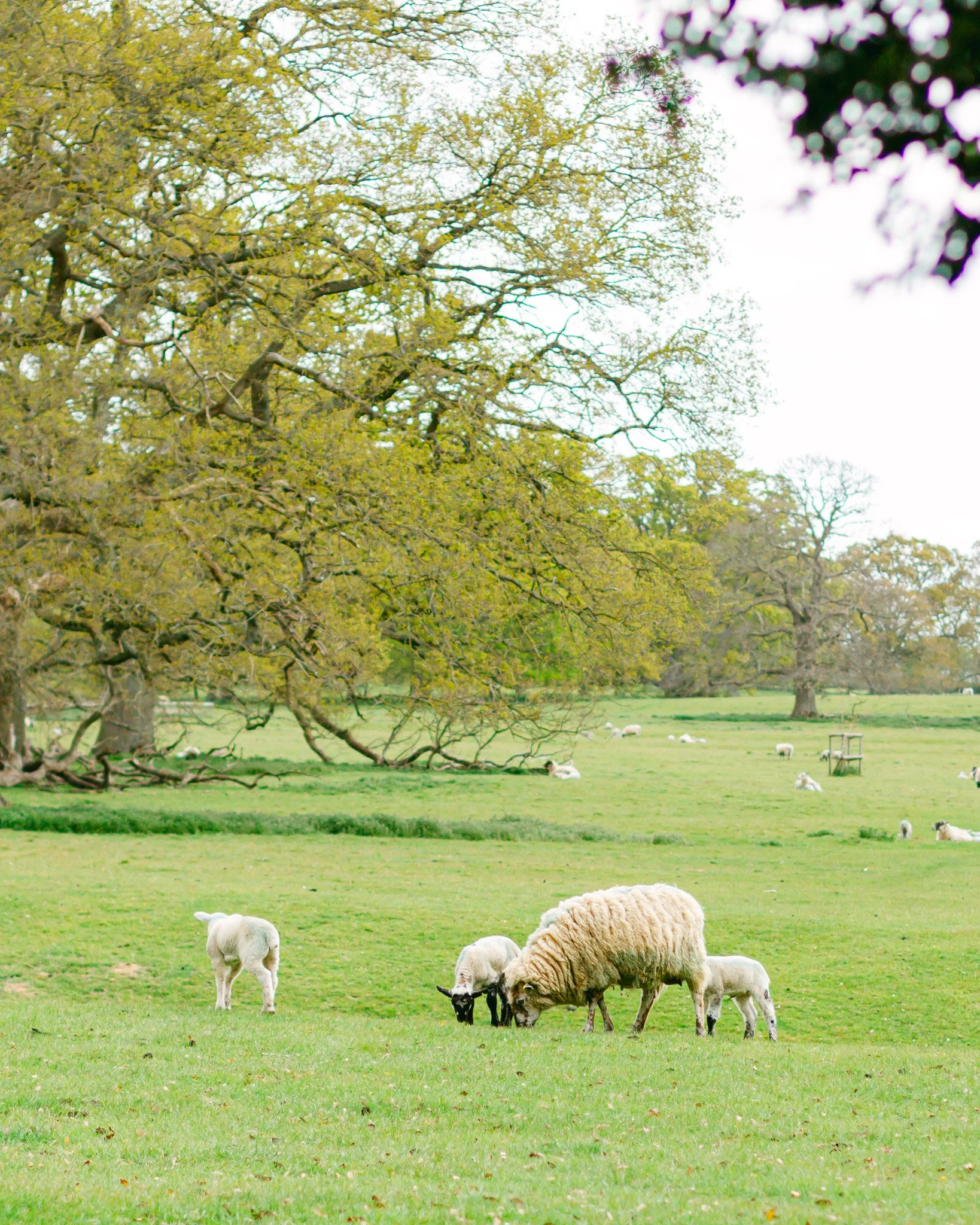
The National Trust grounds at Montacute are made for a slow family picnic. Wide lawns, the formal garden, the ornamental pond, the Ham stone glowing warm in spring sunshine. This is the one to plan properly. Not a meal deal occasion — a proper spread, laid out with something worth the setting. The children will find somewhere to run. You'll find somewhere to sit and feel, just for a moment, that life is rather wonderful.
What I'd pack: Godminster cheddar (naturally), good sourdough, something from a local deli, strawberries, and something cold and sparkling to drink in the sunshine. Bring a proper blanket — this spot deserves the effort.
Practical tip: Late April to mid-May for peak wisteria — but it varies year to year, so check the National Trust website before you go. Worth every penny of the entry fee. Worth going twice.
2. Ebbor Gorge & Long Wood
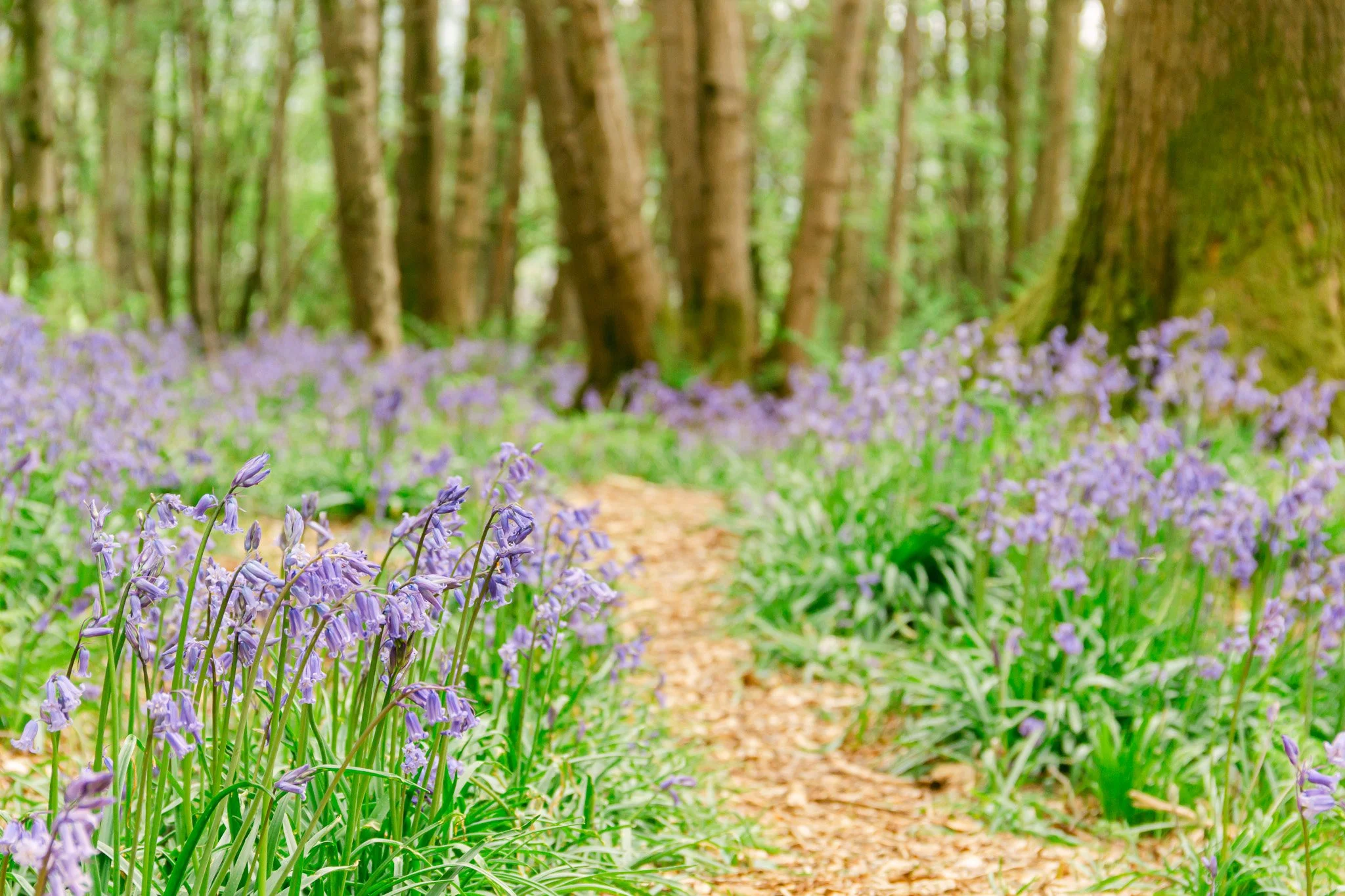
Where the forest floor turns purple and you remember what enchanted actually means.
There is a moment, somewhere in the Mendip Hills, where you round a corner on a narrow woodland path and the ground simply disappears under a carpet of bluebells. It takes your breath away every single time, no matter how many springs you've seen it. It doesn't matter how grown-up you are. The purple floor, the new green canopy above, the particular quiet of ancient woodland — it does something to you. Something good.
Ebbor Gorge is wild, dramatic, and properly Somerset Wildlife Trust — no manicured lawns here, just limestone cliffs, ancient woodland, and the kind of landscape that feels genuinely untouched. Long Wood is one of the finest bluebell sites in the county. The paths wind, the gorge drops away, and if you find the right mossy bank you could sit there for a very long time and not feel guilty about it at all.
This is the picnic you bring children to when you want them to understand that the world is spectacular. Bring simple food. Let them run. Watch their faces.
What I'd pack: Keep it genuinely simple — flask of tea, good sandwiches, something for the children to eat while they explore. The paths require your hands and your attention. A small rucksack, not a hamper.
Practical tip: Late April to early May for the bluebells at their best — but it moves year to year depending on the weather. A weekday visit is quieter. Wear proper shoes; the gorge paths are uneven and muddy after rain, which in Somerset means almost always.
3. Wayford Woods, Crewkerne
The one I haven't been to yet — but I'm going this spring, and I'll report back.
I'll be completely honest: I haven't been to Wayford Woods yet. But it's on my list for this spring, and everything I've read about it — the streams with little bridges, the large pond, the meadow, the bluebell display that people who know about it are devotedly quiet about — tells me it's going to be one of those places. The kind you find and immediately want to protect from everyone else knowing.
It's in South Somerset, near Crewkerne, and it's the sort of spot that barely anyone outside the county writes about. Which is exactly why I want to. Somerset is full of hidden corners that deserve to be found by people who'll treat them properly — and a bluebell woodland with streams and little bridges sounds like somewhere my children will talk about for years.
I'm going this spring. And when I do, I'll update this post with the reality — the good bits, the muddy bits, and whatever we ended up eating on the bank of the pond.
What I'd pack: Exploratory picnic energy - something easy, a flask, snacks for the children. When you're visiting somewhere new, travel light and stay flexible.
Practical tip: Worth checking the Woodland Trust website for access details and any seasonal closures before you visit. Take wellies. Take the children. Take your time.
4. Brean Down
Where the headland meets the Bristol Channel and the wildflowers don't care about the wind.
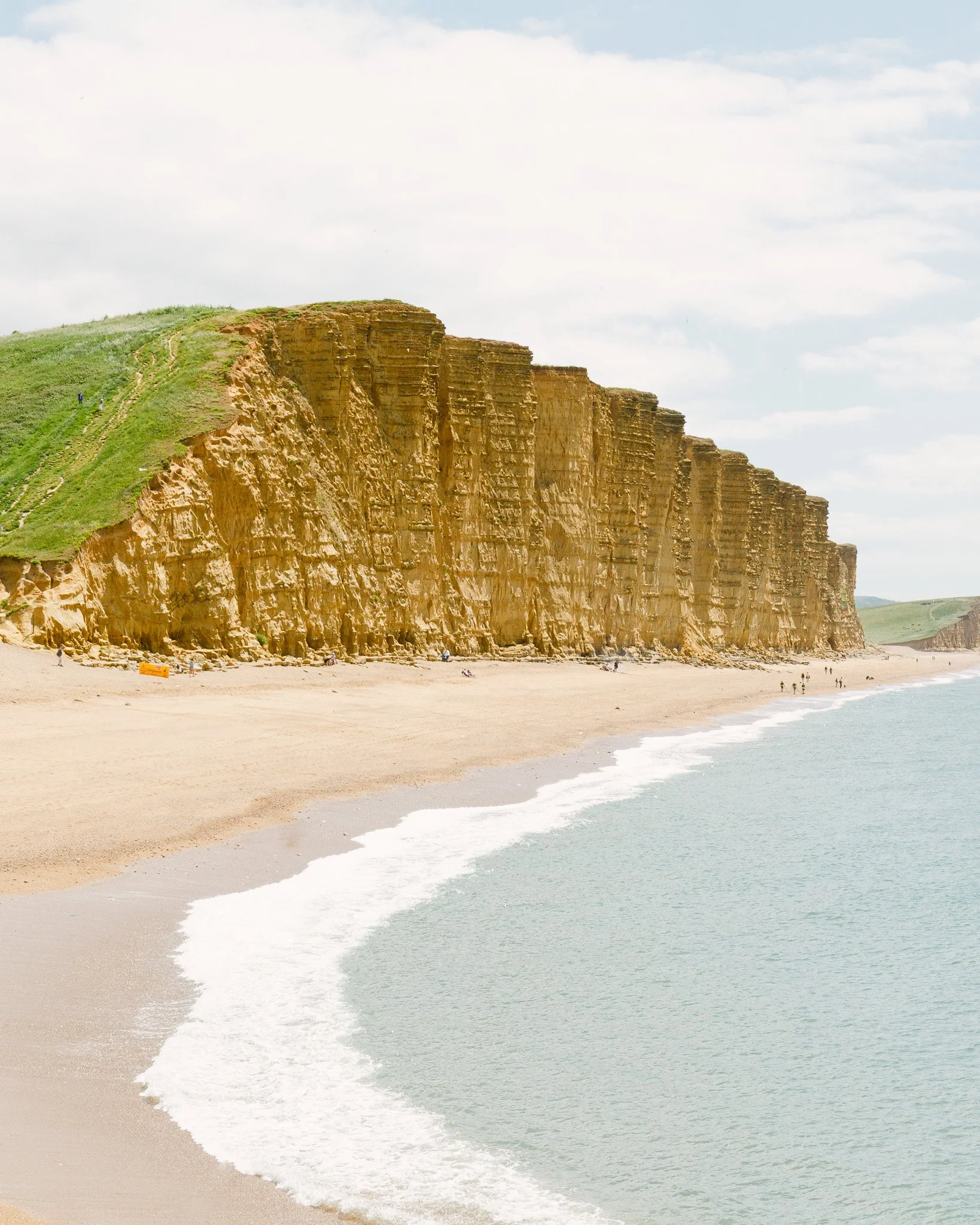
Brean Down doesn't do gentle. It juts out into the Bristol Channel like it has a point to prove, and in spring, when the wildflowers arrive on the headland — sea campion, kidney vetch, thrift in pale pink — it becomes one of the most dramatically beautiful spots in Somerset. On a clear day you can see Wales. You can see Exmoor. You can see the whole sweep of the Somerset coast laid out like something from a geography lesson, except far better.
This is the walk-to-your-picnic spot. You earn the view, which makes the sandwiches taste better. The children will run ahead and then run back and then run ahead again, and by the time you reach the end of the headland everyone is windswept and properly awake and very glad they came. The sea air does something restorative that is difficult to explain and easy to feel.
Pack windproof layers regardless of what the forecast says. Somerset coastal weather has its own agenda and it's rarely the same as the Met Office's.
What I'd pack`: Pasties or something handheld — you'll want your hands free on the walk out. Flask of something hot. Wind-proof layers for everyone, even if it looked sunny when you left the house. Especially if it looked sunny when you left the house.
Practical tip: The walk to the far end of the headland is about a mile each way. Worth every step, but factor in tired small legs on the return — particularly if you've been promised chips at the café afterwards.
5. Cleeve Abbey, Washford
Vallis Florida. The Flowering Valley. In spring, you understand why.
Most people drive past Cleeve Abbey without stopping. Most people are missing something quite remarkable.
This is the most complete set of medieval cloister buildings in England — standing roofed, two storeys, largely intact, tucked into a valley on the edge of Exmoor near the small town of Watchet. Its original name was Vallis Florida: the Flowering Valley. In spring, standing in the cloister garth with the ruins around you and the grounds coming back to life, you understand entirely why a group of Cistercian monks chose this particular spot in 1191 and decided it was worth staying.
And here's the thing most people don't know: you can picnic here. Properly. Picnic tables on site, grassy areas to spread a blanket, English Heritage site, reopening from its winter break in spring — which means it's almost literally designed for a March or April visit. It's quiet in a way that bigger heritage sites aren't. The children can explore freely. The adults can sit and look at eight hundred years of history and feel small in the best possible way.
What I'd pack: This spot deserves something a bit special. Good cheese, proper bread, something worth unwrapping slowly. It's a contemplative picnic, not a grab-and-go one. Give it the occasion it merits.
Practical tip: English Heritage site — free for members. Check opening times before you visit as spring hours can vary. Near Watchet on the A358 — combine it with a walk down to the harbour town for a full day out.
6. Ham Hill Country Park
In autumn it's golden. In spring it's cowslips, birdsong, and April light that makes everything look about twenty percent more beautiful than it probably is.
Ham Hill is a hillfort, which means height, and height means views, and in April the views from the top of Ham Hill — across the Vale of Taunton, towards the Dorset hills, over the whole patchwork of South Somerset — are genuinely moving. The cowslips arrive in April, bright yellow on the grass, and the birdsong is almost aggressively cheerful.
We've had many picnics here over the years. Some planned, most not. Ham Hill is the kind of place that earns its keep as a spontaneous decision — the Saturday morning where you look at each other and say let's just go, and an hour later you're on top of a hillfort with sandwiches and the whole county spread out below you. The children can run properly here. There's space. There's always a breeze. There's almost always someone flying a kite.
It's also the spot where I once accidentally stayed for a sunset picnic — we just kept not leaving, kept saying one more minute, until the sky turned orange and we realised we'd been there for five hours and eaten everything in the basket. Some of the best picnics happen that way.
What I'd pack: The Co-op meal deal approach is entirely valid here. This is a spontaneous-decision picnic spot. Pack what you have, bring a good blanket, arrive with no agenda whatsoever.
Practical tip: The car park fills up on sunny spring weekends — arrive by 10am or park in the village of Stoke-sub-Hamdon and walk up through the old stone village. The walk adds twenty minutes and is entirely worth it.
7. Glastonbury Abbey Grounds
Everyone knows the Tor. Fewer people think to sit beneath the ruins with a flask of tea. Their loss.
Glastonbury gets a certain reputation — crystals, ley lines, a particular kind of person in a particular kind of hat. And the Tor, of course, which we've already given to winter and its mists. But Glastonbury Abbey is a different thing entirely, and in spring it earns its own visit.
The ruins are ancient — there has been a Christian community on this site since at least the seventh century, making it one of the oldest and most significant religious sites in Britain. In spring, blossom drifts across the lawns, the grass is properly green, and the remaining arches of the abbey rise up against a blue sky in a way that is quietly spectacular. It's peaceful in a way the town centre outside the gates decidedly isn't.
It's also surprisingly family-friendly. Children can explore the ruins freely, there's space to spread out, and the grounds are beautifully maintained. Take something good to eat. Sit somewhere where you can see the great arch. Let the history settle over you.
What I'd pack: I'd treat this as a wander-and-gather picnic — get something from one of the Glastonbury cafés or delis on the way in, find a spot on the grass, and eat with the ruins as your view. The town has excellent independent food options if you look for them.
Practical tip: There's an entry fee for the Abbey grounds — worth every penny, particularly in spring. The grounds open from 9am and it's worth arriving early before the tour groups.
8. Nunney Castle
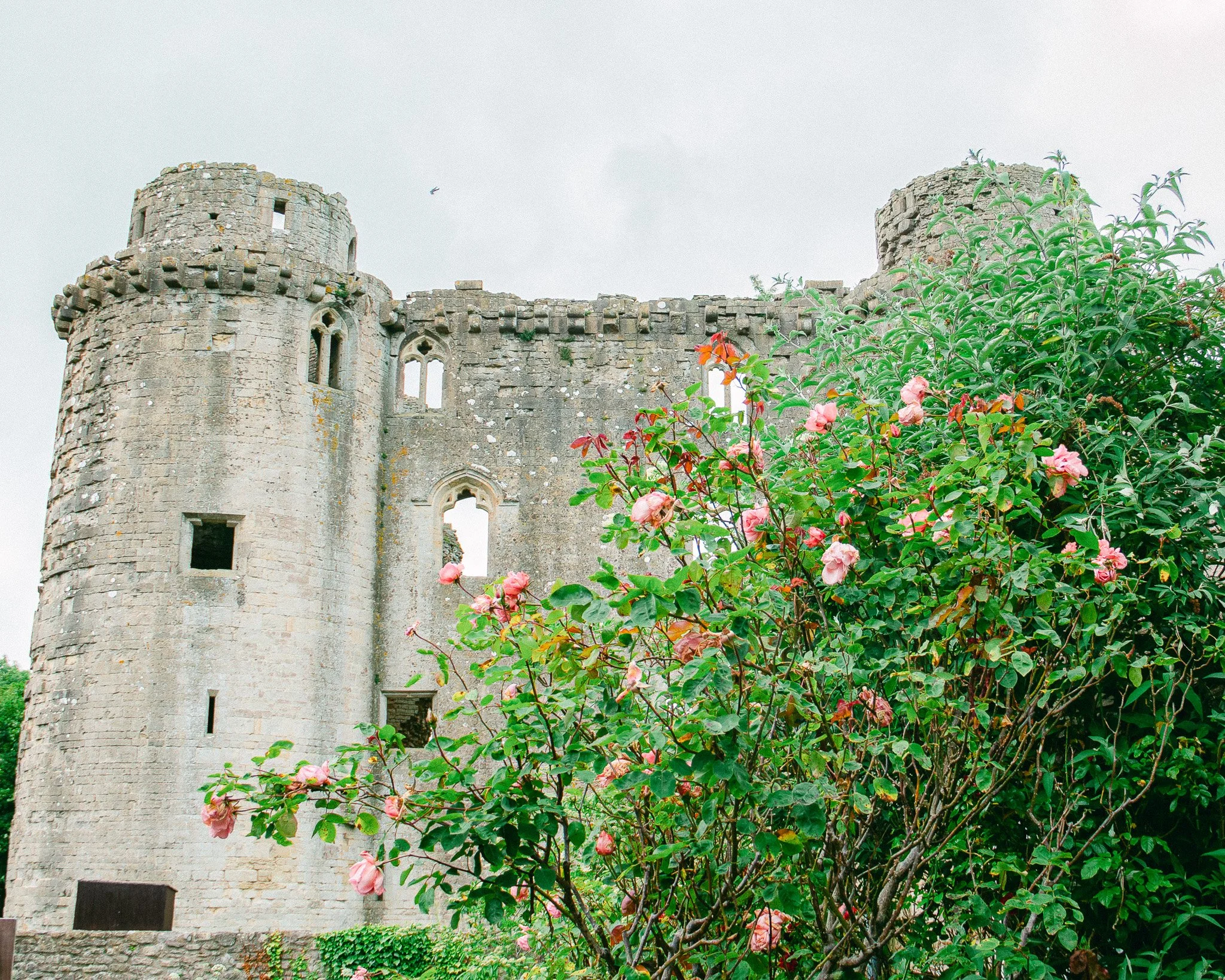
Some places just hold you differently in spring. This is mine.
I've written about Nunney Castle in the autumn edition of this guide, and I'll keep writing about it for every season because it earns a mention every time. Not because it's dramatic or famous or on any official list, but because I grew up here, and because the blossom around the moat in spring is a different world to the amber light of October.
In spring the moat fills with reflected sky, the trees around the castle walls come back into leaf, and there's a particular morning light — early, before the village is properly awake — when the whole place looks like something you'd find in a children's book about a princess. Which, as previously established, I have strong feelings about.
We bring the children here often. We always have done. They explore the same ruins I explored as a child, play by the same moat, do the same running-away-from-imaginary-things that children do in places with old walls and a sense of story. And I sit and watch them, and eat a sandwich from the village café, and feel the very particular contentment of a place that holds your history in both hands.
Free to visit. Always. One of Somerset's quietest and best-kept open secrets, and I'll keep telling everyone about it until it isn't.
What I'd pack: Sandwiches and cake from the village café at the foot of the hill, a good blanket, and nothing complicated. This is a slow picnic, not a show-off one.
Practical tip: The village of Nunney is small and beautiful — worth a wander before or after. The George at Nunney is a good pub if the weather turns. Parking is limited on the main street so arrive with patience.
A few things worth knowing about spring picnics
Spring is the season of good intentions and optimistic packing. Here's what I've learned after many years of getting it slightly wrong before getting it right.
Always bring one more layer than you think you need: Spring sunshine in Somerset is beautiful, genuinely warm, and absolutely capable of disappearing behind a cloud for forty-five minutes without warning. Pack layers for everyone. The person who says 'I won't need a coat' will be the person borrowing yours by 3pm.
The Co-op meal deal is a legitimate strategy: Not every spring picnic needs to be planned. Some of the best ones start with a spontaneous decision and end with whatever the nearest shop had available. A good sandwich, a packet of crisps, something sweet, and a flask of tea made before you left — that's a spring picnic. Don't let perfection get in the way of actually going.
Go earlier than you think: Spring days are long but spring car parks fill up fast on sunny weekends. At Ham Hill, at Brean Down, at Montacute — arrive earlier than feels necessary and you'll thank yourself. The light is better in the morning anyway.
Check bluebell timing: Bluebells are deeply affected by the weather - a mild February can pull them three weeks early; a cold March can delay them into May. Check local woodland social media pages or the Woodland Trust website before making a special trip. It's worth knowing before you go.
The spontaneous ones are usually the best ones: Plan when you can. But if a Tuesday morning in April looks too good to waste, abandon the plan. Pack whatever's in the fridge. Go somewhere you can reach in twenty minutes. Spring picnics don't need to be perfect. They need to happen.
One more thing — for the tulip lovers: Somerset Orchard Garden near Chewton Mendip on the A39 runs pick-your-own tulip sessions in April. Ticketed, locally grown, rows of colour stretching across a Somerset field in spring sunshine. It sells out. Book early.
It's also a short hop from Ebbor Gorge and the Mendip Hills, which makes for a rather brilliant spring day — bluebells in the morning, tulips in the afternoon, something good to eat in between. That's what I'd call a proper use of a Saturday.
Go on, then
Spring doesn't wait for you to feel ready. It arrives, does its brief and beautiful thing, and then starts turning into summer before you've properly noticed. The bluebells will come and go in a matter of weeks. The wisteria at Montacute has its moment and moves on. The cowslips on Ham Hill are there and then they're not.
You don't need a plan. You just need a blanket, something to eat, a rough idea of where you're going, and the willingness to go even when it might rain.
It might rain. It also might be the best afternoon you have all year.
That's spring. That's Somerset. That's exactly why we picnic.
Love Gemma xx
Read the full collection:
→ The Best Picnic Spots in Somerset — A Local's Complete Seasonal Guide
→ The Best Summer Picnic Spots in Somerset
You may enjoy …

The Piknic Club
Life is too short for boring picnics.
The Piknic Club is where the blanket-spreading, basket-packing, joy-seeking community lives. Seasonal boxes, curated picks, and the kind of picnic inspiration that makes you want to drop everything and go outside immediately.
Come and be nosey …
The blanket is always out over on Instagram. Behind the scenes Picnicscapes, Somerset life as it actually happens, and the occasional opinion about gingham.




There's a particular kind of summer afternoon that Somerset does better than anywhere else. It starts in the mid-afternoon — later than you intended, as always — when someone finally says right, let's go, and you pack the blanket and the children and something cold to drink and you leave.