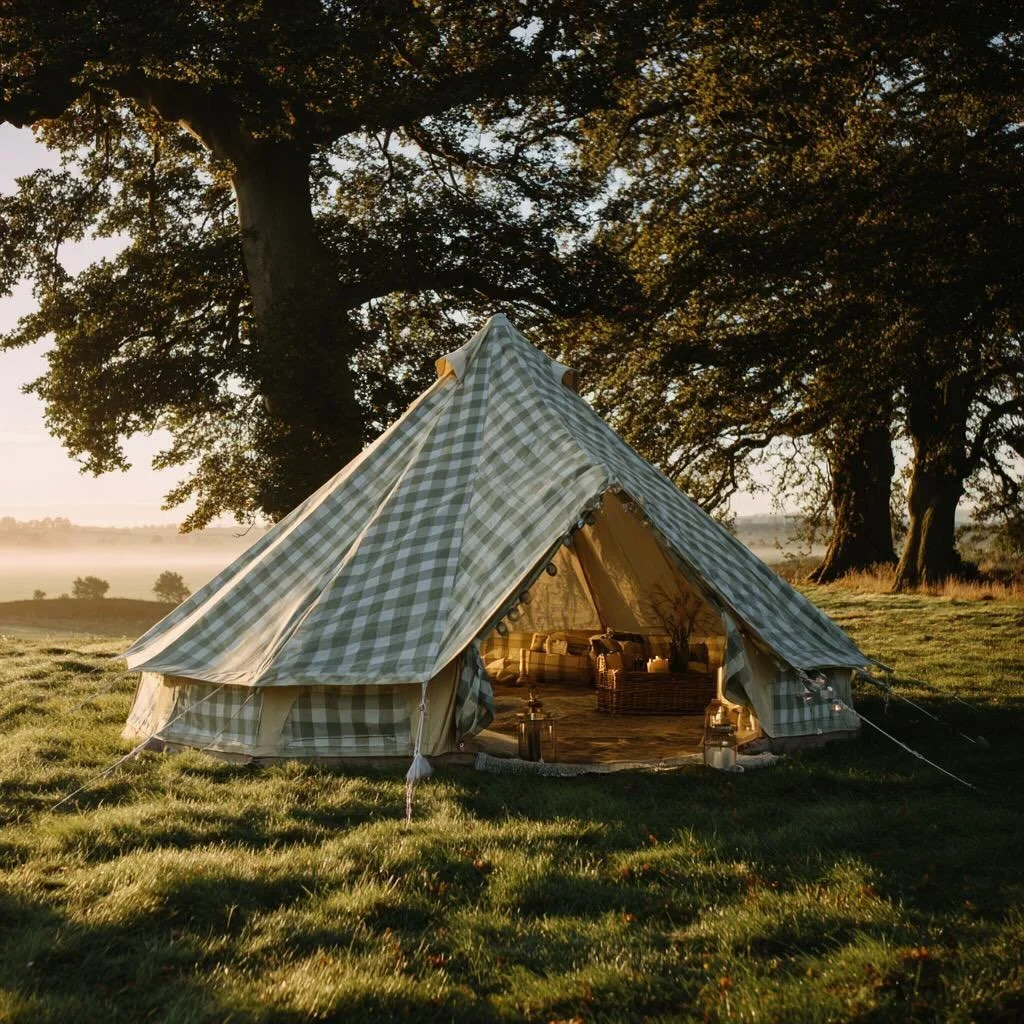
The Joyful Almanac - June
The Joyful Almanac - June
June walked in, looked around, and decided she owned the place.
And honestly? I’m not arguing.
This is the month everything clicks into place — the doors open and stay open, the garden becomes a room you actually live in, the evenings stretch so long and golden that going inside never quite feels necessary. Life is easier in June. Less coat, less hurry, less guilt about staying in the park a bit longer or lingering over a second glass because the light is still doing that thing and nobody wants to be the one who ends it.
The world feels full of possibility and endless energy in June, and I don't think that's an accident. The days are longer which means you get more done, which means somehow you feel less behind, which means you stop rushing — and when you stop rushing, you start noticing. The bats at dusk. The demoiselle dragonflies on the stream. The way the garden looks at 9pm in the last of the light, like something from a film you watched once and never forgot. Notting Hill, maybe. The blue door. The overflowing window boxes. That particular English summer feeling of something being so beautiful it's almost unbearable.
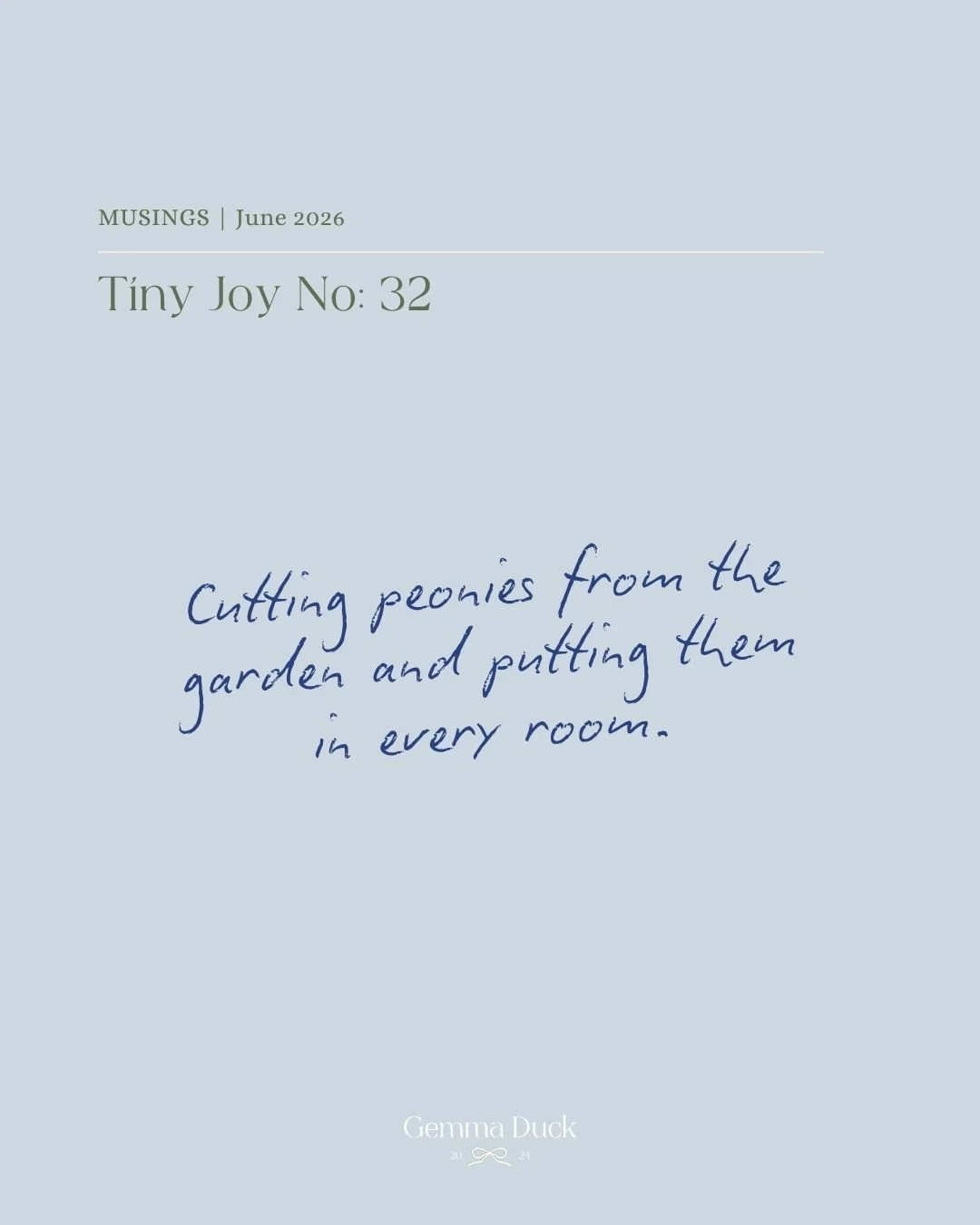
The peonies are out. How did I nearly forget about the peonies. I say this every year and I mean it every year — they arrive and the whole house changes. I cut them from the garden and put them everywhere: kitchen table, bathroom windowsill, bedroom because why not, it's June and the rules are different in June.
The grass cuttings are also in the house, since you ask. The mower came in via the back door and left a trail and the Hoover can wait because it is June and there are priorities and the Hoover will still be there in October when we need it again.
The ice cream man is at the school car park every Wednesday. Every Wednesday I have no cash. This has been happening for years. We have established a look — the ice cream man and I — that communicates everything. We understand each other. We are, in our own way, old friends.
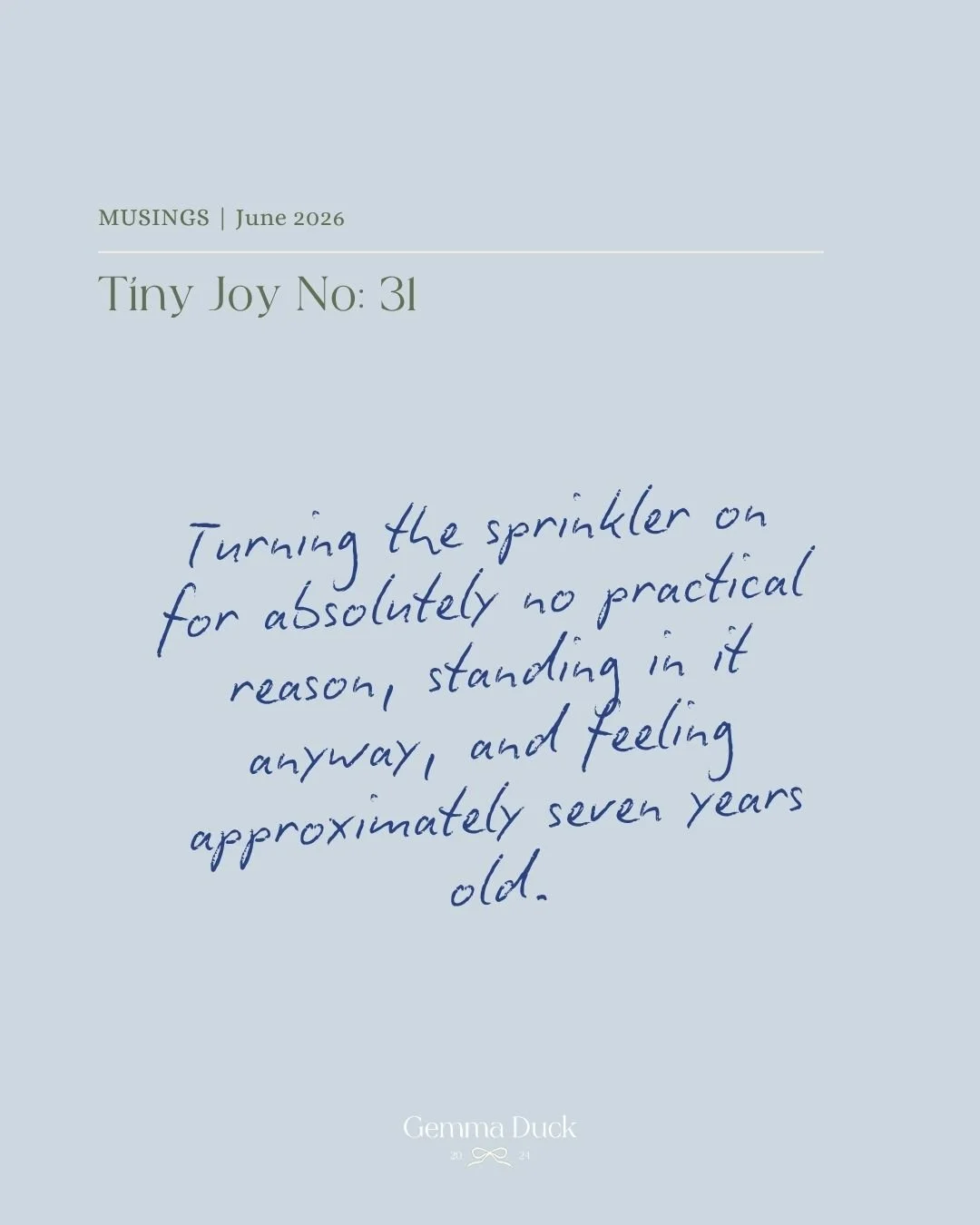
This is June. Joyful, warm, slightly chaotic, entirely wonderful. The month that smells of suncream and strawberries and freshly cut grass and BBQ smoke drifting over the neighbours' fence at seven in the evening. The month the garden toys come back out, the paddling pool makes a tentative reappearance, the sprinkler is turned on for absolutely no practical reason and we stand in it anyway because it is June and we are alive and some things need no further justification than that.
Mist in May, heat in June, brings all things into tune.
The old proverb knew something. June is the month everything comes into tune — the garden, the evenings, the pace of life, the relationships that get easier when you're all outside together with no agenda and nowhere particular to be.
Winter feels so far away it's almost theoretical.
We are not thinking about winter.
It's June. Come outside.
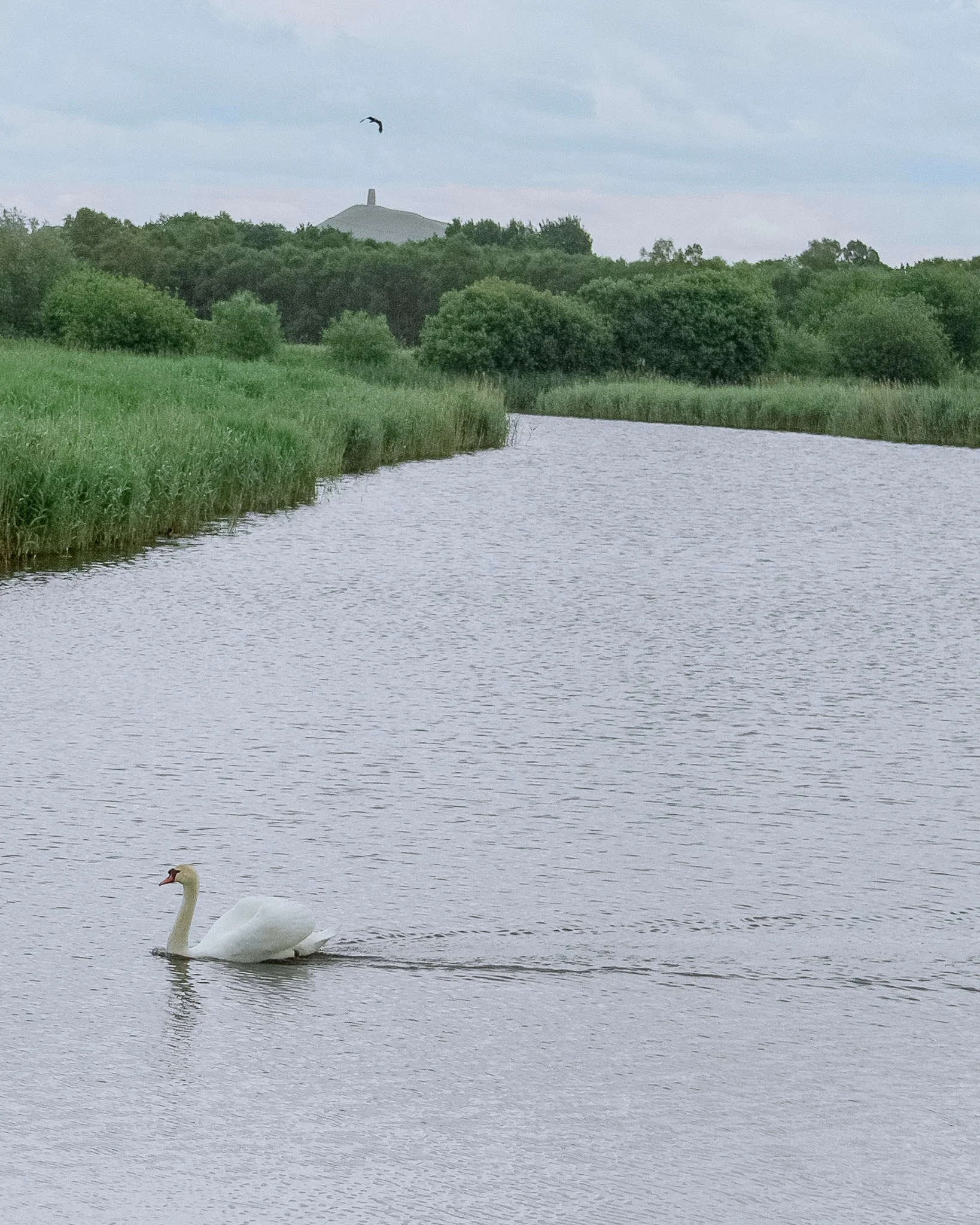
June Snapshot (dates worth a circle)
You don’t need to mark every date — think of these as gentle pins, not instructions. One or two is plenty.
1 June — Meteorological Summer Begins: Not aspirational. Not almost. Actual summer, officially, on paper, in the calendar. Go outside immediately and stay there.
5 June — National Fish and Chip Day: The most British possible celebration of the most British possible meal. In newspaper if you can get it. Outside if the weather obliges. Non-negotiable.
11 June — St Barnabas's Day / Barnaby Bright: Before Britain lost eleven days switching calendars in 1752, St Barnabas's Day was Midsummer. Barnaby Bright, Barnaby Bright — the longest day and the shortest night. The dates shifted. The light still does exactly this.
15 June — New Moon: The darkest night of the most luminous month. More stars than usual. Go outside, look up, make one summer wish. The simplest and most ancient June ceremony.
18 June — International Picnic Day / National Picnic Week: Our day. The day. The one day a year the entire world agrees with us that eating outside on a blanket is the highest form of living. Show up for it fully. Basket, blanket, good glasses, somewhere beautiful. Full Duchess of Picnics authority. No apologies.
20/21 June — Summer Solstice / Midsummer's Day: The longest day. The shortest night. Thousands of people gathered at Stonehenge at dawn to watch the sun rise over the heel stone, as it has been watched for five thousand years. The largest free gathering in Britain. Could this be any more us.
21 June — Father's Day: Outside. BBQ. Someone else clearing up. This is not a suggestion. This is the brief.
24 June — St John's Day / Midsummer: The yellow St John's Wort flowering in the hedgerows is named for him — John the Baptist, born six months before Christ, celebrated at midsummer. Bonfires in the old tradition. The height of summer, properly marked.
27 June — National Cream Tea Day: Scones. Clotted cream. Jam. In the correct order. We are Somerset. We know the order. No further discussion required.
30 June — Full Strawberry Moon: The most romantically named moon of the year — named for the strawberry harvest happening right now, in the fields, at the farm shop, in the laybys with hand-painted signs. Closes June in full golden abundance. See the Moon Moment below.
All June — Pride Month: Colour, community, love and gathering. The month that celebrates showing up as exactly who you are. Very June. Very us.
These are the gentle pins that hold June in place. Choose the ones that feel like yours. Let the others drift past like the longest evening of the year — golden, unhurried, and over far too soon.
Flora & Feelings
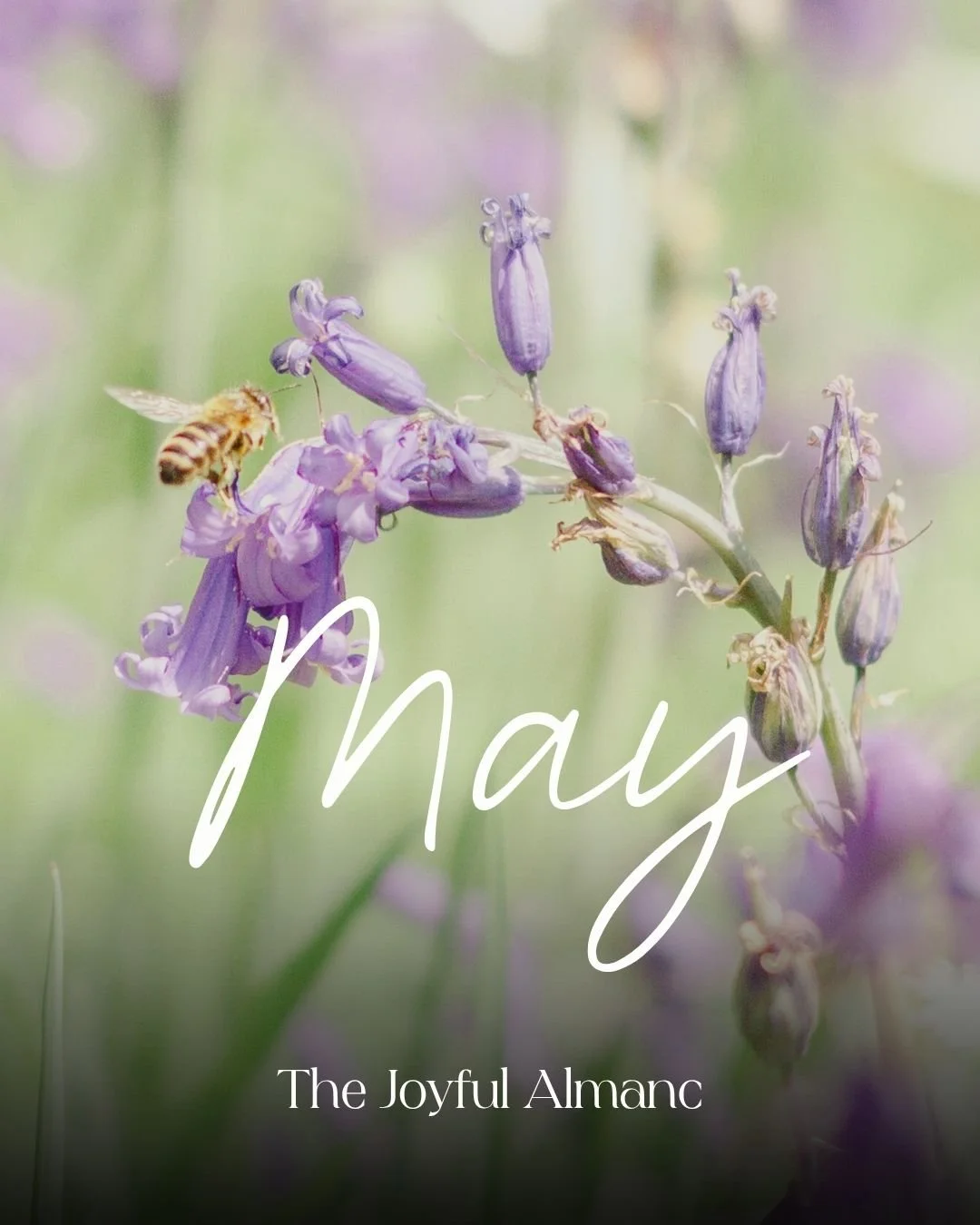
June's garden doesn't whisper. It announces.
Every surface doing something extraordinary. Every border in on the act. The air warm enough that you catch the roses before you see them — that particular sweet, warm, full-blown scent that is peak June and nothing else, that you can't manufacture or recreate in any candle, any diffuser, any perfume, however much they try. The real thing is outside your back door right now. Go and stand in it.
The Roses
June is peak rose month and every garden in Somerset knows it.
Climbers tumbling over walls. Standards doing their dignified thing in borders. The wild dog rose beginning at the hedgerow edges — those pale blush-pink petals, five of them, simple and brief and somehow more beautiful than anything cultivated. The rambling roses that have been building towards this moment since March, now fully committed, spilling over fences and gates and arches in great cascading armfuls of colour.
Stop at every rose you pass this month. Lean in and smell it. This is free, it takes four seconds, and it is one of the specific pleasures of being alive in England in June.
The Peonies
How did I nearly forget about the peonies.
Every year. Every single year. They arrive and I think: this. This is what June is for.
I cut them from the garden and they go everywhere — kitchen table, bathroom windowsill, bedroom because it's June and the normal rules don't apply. A bowl of peonies in a room changes the room. Not in a subtle way. In a people-walk-in-and-immediately-say-something way. That extraordinary blowsy fullness, the petals layered like something from a Dutch painting, the faint sweet scent that doesn't shout but is absolutely there if you lean in.
They last about a week. They're worth every minute of the eleven months of waiting.
If you have peonies in your garden, cut them. Don't leave them for the rain to knock down. Bring them inside. The garden will make more. The garden in June is nothing if not generous.
The Meadows
This is June's quiet masterpiece and most people drive past it without stopping.
The ancient meadows — the ones that haven't been improved, fertilised, reseeded, turned into something more productive — peak in June. Clover and scabious and ox-eye daisies and yellow rattle and knapweed and grasses all flowering simultaneously, the whole field humming with everything that flies. The most biodiverse moment in the British countryside calendar. A working ecosystem doing what it evolved to do over ten thousand years, right there at the side of a Somerset lane.
The meadow brown butterfly — that soft tawny brown, the small eye-spot on the wing — is the butterfly of June meadows. Unhurried. Purposeful. Moving between flowers with a calm that feels almost instructive. The demoiselle dragonfly on the streams and ditches — those extraordinary iridescent wings, that particular hovering flight, the most elegantly named creature in the British countryside. Demoiselle. A young lady. Named by someone who clearly had excellent taste.
Find an ancient meadow this month. Stand in the middle of it. The sound alone — every bee, every butterfly, every grasshopper — is worth the drive.
The Garden Daily
June's garden has the energy of a party that started without you and is very glad you've arrived.
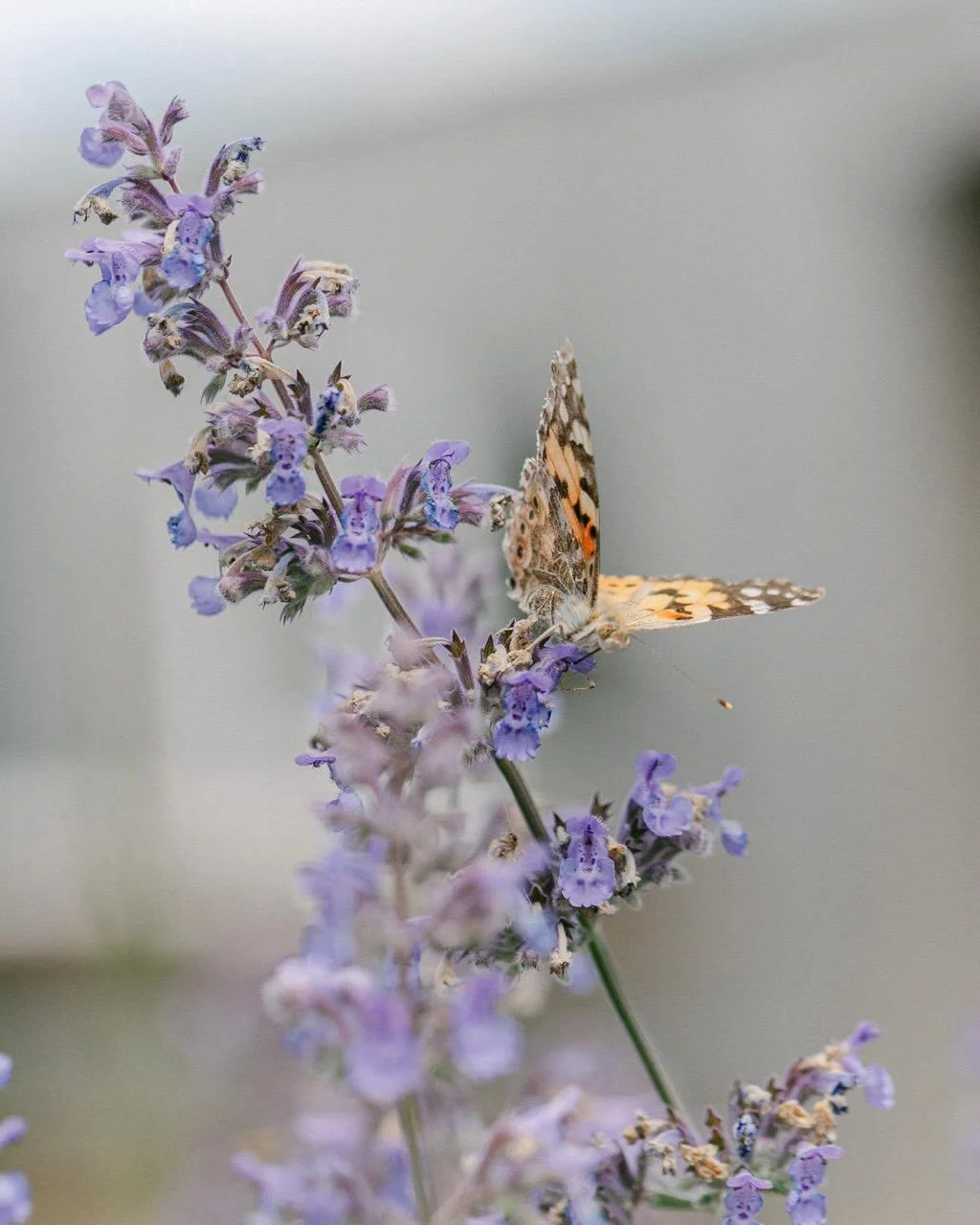
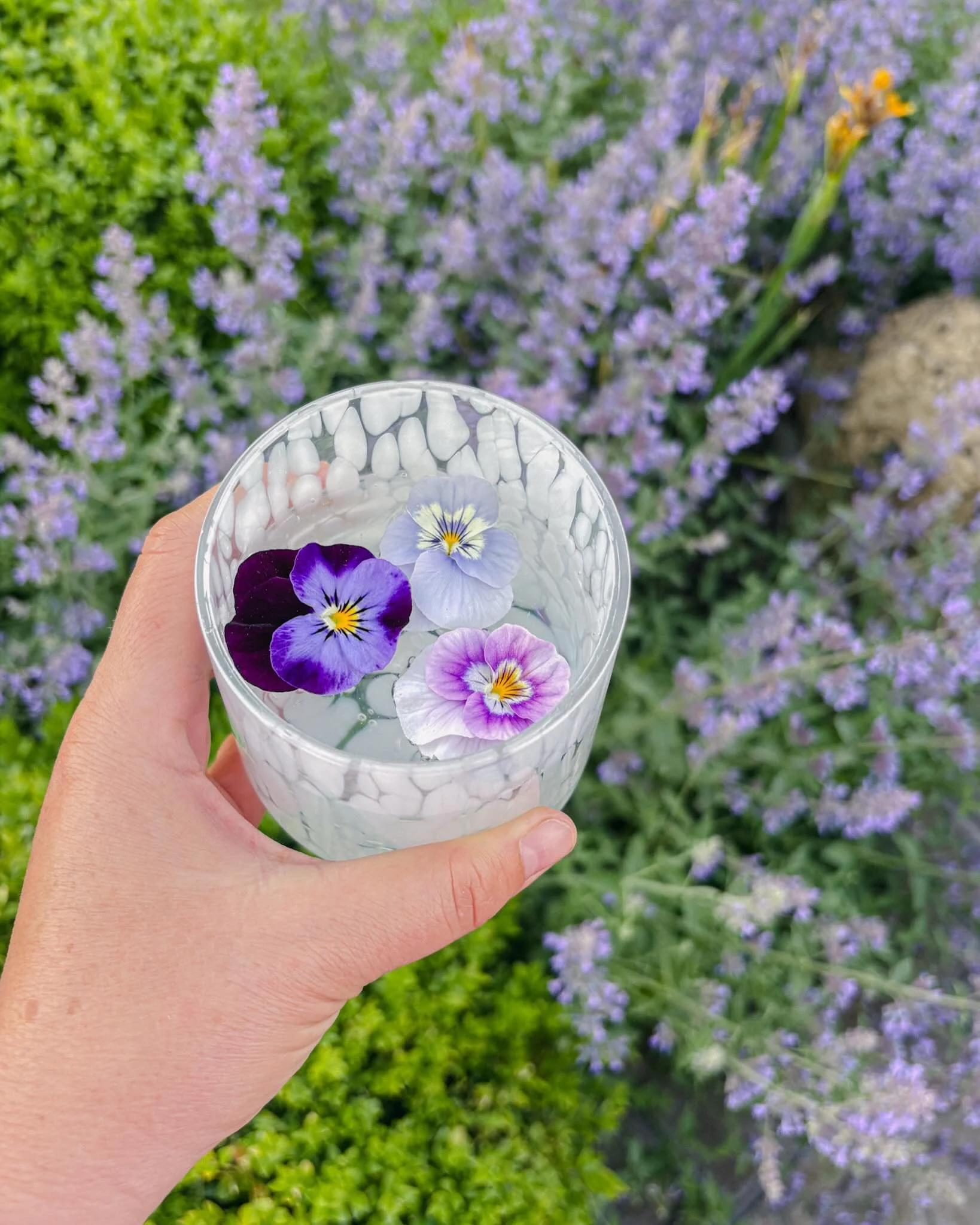
The catmint has been buzzing from dawn to dusk since the first warm day and shows no signs of stopping — great silver-blue clouds of it, the bees absolutely beside themselves. The lavender is beginning — not quite yet, but close, the buds swelling, the bees already making enquiries. The foxgloves are at their most theatrical — tall, spotted, slightly gothic, always in the places you didn't plant them, never in the places you did. The bedding plants in the pots are, this year, brimming — not usually my thing but this year and honestly? Not sorry.
The lawn is full of daisies. I know the lawn is full of daisies. I am not doing anything about it. A lawn full of daisies in June is not a problem to solve. It is a daisy chain waiting to happen.
Doors and windows open all day and all night — finally. Not cracked. Not a little bit. All the way, committed, the outside air moving through the house from morning to morning. The garden toys are out — rounders sets, badminton, hoopla, the sprinkler which is on for absolutely no practical reason and yet here we are, standing in it, in June, because some things need no justification beyond the fact that it is June and we are here.
The Smell of June
June has the best smell of any month and I will not be taking questions.
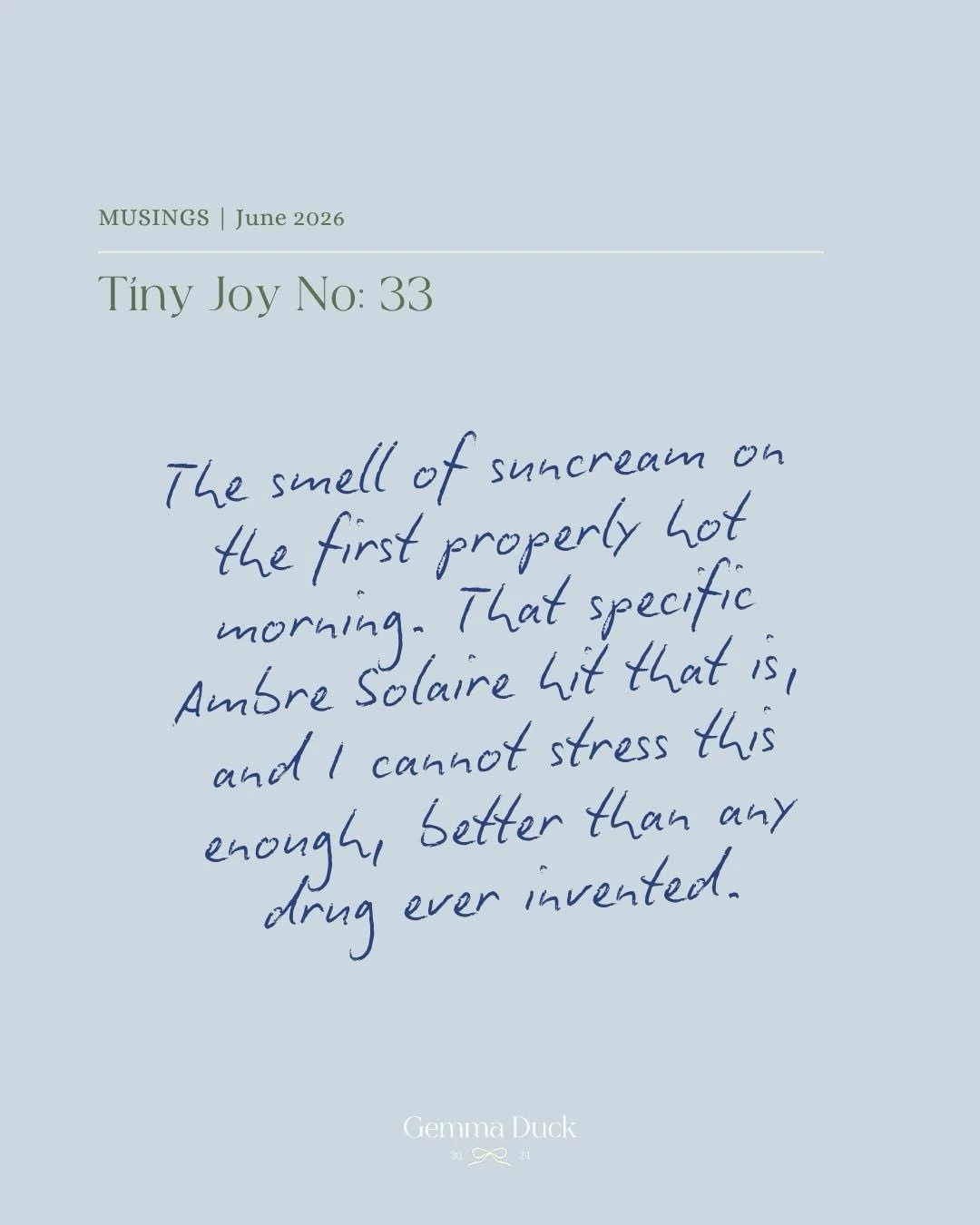
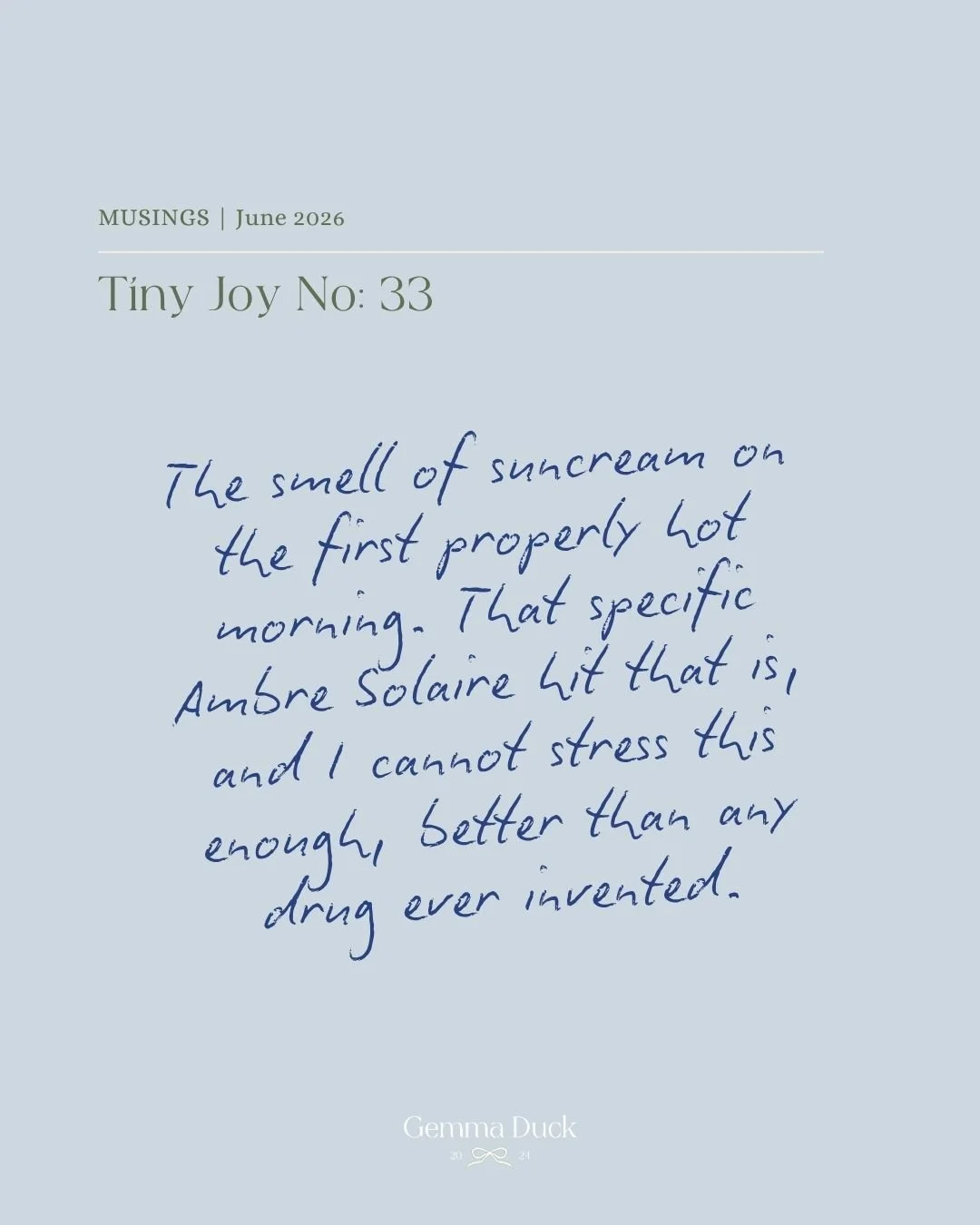
It is the smell of suncream — that specific Ambre Solaire scent that is basically a time machine back to every holiday you've ever taken and every hopeful British summer morning you've ever walked out into. The first time you put suncream on in June something unlocks. Something says: here we go. Even if it's slightly overcast. Even if you probably don't technically need it yet. You put it on anyway because it's June and optimism is a perfectly valid sunscreen.
It is the smell of freshly cut grass every single weekend from now until September — the neighbourhood mowers starting up on Saturday mornings like a very domestic orchestra.
It is the smell of BBQ smoke drifting over the fence at seven in the evening, which is the smell of someone nearby having a better evening than you and also the motivation to fire up your own.
It is the smell of warm earth being watered at the end of a hot day — that rich, almost ancient smell of dry ground drinking — as you go around the borders with the hose in the long evening light, thinking about nothing in particular, which is one of the most underrated mental states available to a human being in June.
And it is the smell of strawberries, warm from the field, eaten in the car before you've even left the layby.
More on those shortly.
The Long Light
This is what May promised and June delivers: evenings that go on and on and on.
Sitting outside until the sun actually sets — not almost sets, not nearly sets, the actual sun actually going below the actual horizon — which in June happens embarrassingly late and is entirely the point. The light goes gold and then pink and then something in between that doesn't have a proper name, and the garden looks, in that light, like the best version of itself.
Stay for the bats.
They appear just after the swallows go in — swooping and playing in the very last of the light with an agility that makes everything else look clumsy. If you'd gone inside at nine you'd have missed them. You haven't gone inside at nine. Good.
Weather Soul:
Mist in May, heat in June, brings all things into tune.
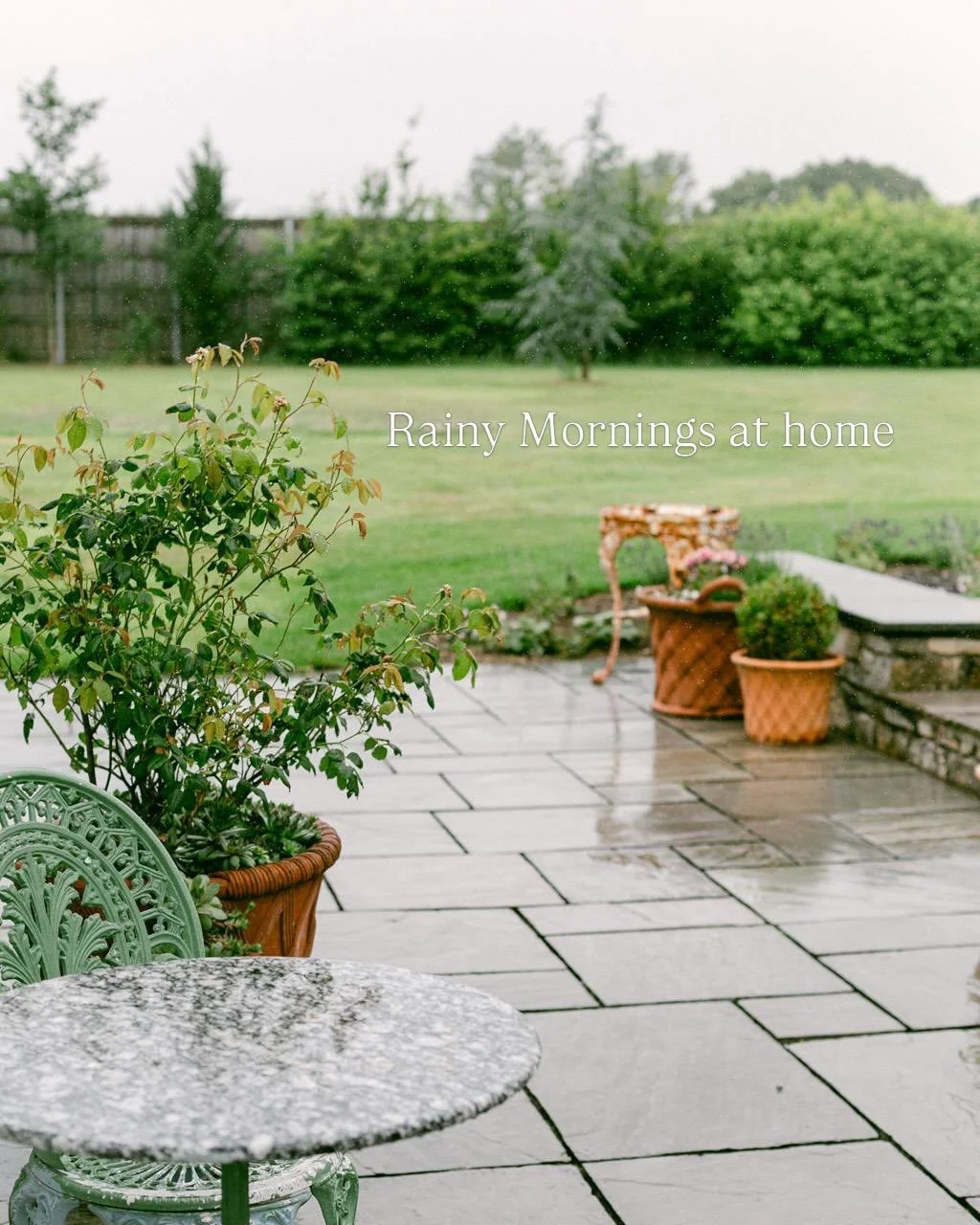
The old proverb doing exactly what it promised. The mornings are dry now — no cold dew underfoot, no mist on the hills. The warmth arrives early and stays late. The footpaths through the Somerset lanes are baked and warm and smell of something that has been in the sun all day.
June has committed. And when June commits, it really commits.
Folklore Focus: Barnaby Bright, Midsummer & the Month That Belongs to Juno
June's folklore is older than all the other months put together. And considerably more dramatic.
It is not the tentative hope of February or the gentle promise of March. It is not even the joyful eruption of May. June's folklore is older than all of that — rooted in fire and light and the longest day, in ceremonies so ancient that nobody quite remembers where they started, only that they still feel right, every year, when the light does what the light does in June and something stirs that is older than the calendar.
Barnaby Bright and the Lost Eleven Days
Here is a piece of British history that not enough people know, and it is extraordinary.
In September 1752, Britain switched from the Julian calendar to the Gregorian one. Overnight — literally, overnight — we lost eleven days. Wednesday 2nd September 1752 was followed immediately by Thursday 14th September. Eleven days, simply gone. There were riots. People took to the streets demanding their days back. Give us our eleven days, they shouted, which is either the most British protest in history or the most relatable, depending on your perspective.
Before those eleven days were lost, St Barnabas's Day — 11 June — was Midsummer. The longest day fell on Barnaby's feast day in the old Julian calendar, and the rhyme that marked it dates from the mid-seventeenth century:
Barnaby Bright, Barnaby Bright — The longest day and the shortest night.
The dates shifted. The calendar moved on. But the light didn't get the memo, and every year around the 11th of June the evenings are doing something so extraordinary that the old rhyme still feels true. Some things are older than the calendar that contains them.
The Summer Solstice: The Largest Free Gathering in Britain
Every year on 21 June — give or take a day depending on the astronomical moment — thousands of people gather at Stonehenge before dawn.
They come from everywhere. They wrap themselves in blankets and sleeping bags and the occasional very optimistic linen shirt, and they stand in a field in Wiltshire in the dark, waiting for the sun to rise over the heel stone — the same stone it has been rising over, observed by human beings, for five thousand years. The largest free gathering in Britain. A crowd of strangers united by the pull of something ancient and enormous and not entirely explainable.
Could this be any more us? Standing in a field in the dark, in community with people we don't know, around something we don't fully understand, waiting for the light. Very British. Very human. Very June.
You don't have to go to Stonehenge. You could simply go outside on the morning of the 21st and watch the sun come up — earlier than you've set an alarm for in months, rising into a sky that in June is already suggesting dawn before most alarm clocks have considered it. That's your version. It counts. The sun doesn't distinguish.
Dawns Gwyl Ifan — St John's Eve
The 23rd of June. Midsummer's Eve in the old tradition.
In Wales, this was Dawns Gwyl Ifan — the Eve of St John's Day — marked with bonfires lit on hilltops, dancing, the whole landscape alive with fire visible for miles. A ceremony of light at the height of light. Communities gathering on high ground to celebrate the peak of summer together, in full view of each other across the hills.
The tradition of Midsummer bonfires runs through almost every culture in Europe — the Swedes with their midsommar, the Scandinavians, the Celtic traditions of Britain and Ireland. The specific details differ but the impulse is identical: at the height of summer, gather, light a fire, celebrate being alive in the warmest, longest, most abundant moment of the year.
The echo of it is still there, I think, in every impromptu summer gathering — every garden fire pit lit on a warm June evening, every BBQ smoke drifting over the fence at dusk. We're still doing it. We've just updated the equipment.
St John's Day and the Yellow Flowers
24 June — the feast day of John the Baptist, born six months before Christ, celebrated at midsummer.
The yellow wildflowers that blaze along the hedgerows and roadsides in June — Hypericum perforatum, St John's Wort — are named for him. Their five yellow petals. Their particular brightness in the long June light. The old belief that they had protective and healing properties, that gathering them on St John's Eve brought good fortune and warded off darkness.
The name, the timing, the yellow brightness of them against the green verges — it all feels right. Midsummer needs a yellow flower. June provides one, reliably, every year, in enormous cheerful abundance.
Look for them on the footpaths and lane edges this month. Small. Yellow. Quietly doing something rather ancient.
Juno's Month
June takes its name from Juno — Roman goddess of marriage, of women, of the sacred bond of household and family. The goddess who was simultaneously formidable and tender, who governed both the sky and the home, who was considered the protector of women at every stage of life.
The luckiest month to marry. Still the most popular wedding month in Britain, two thousand years after Juno's name was attached to it. Something about June makes promises feel possible — the light, the flowers, the long warm evenings, the sense that the world is at its most beautiful and therefore the right moment to make a declaration about the rest of your life.
The goddess of women having the most joyful, flower-filled, abundant month of the year feels completely, obviously correct. Of course this is Juno's month. Look at it.
The Ancient Meadow
Before agricultural improvement changed the British landscape, before fertilisers and reseeding and the drive for productivity, June meadows were the richest places on earth.
The ancient hay meadows — the ones that survive in fragments across Somerset, in the Levels and the valleys — contain plant species that have been growing in the same places for centuries. Clover and scabious and ox-eye daisy and yellow rattle and bird's-foot trefoil and knapweed, all flowering simultaneously in the second and third weeks of June, all feeding the insects, which feed the birds, which feed everything else in a chain of abundance that is both ancient and currently happening, right now, at the side of a Somerset lane.
In the ancient meadow, clovers jostle, scabious waves, grasses flower — the whole ecosystem at its most extravagant and most functional simultaneously.
The meadow brown butterfly lives here. The demoiselle dragonfly haunts the streams at the meadow's edges. The grasshopper makes its sound in the long grass. These are not rare things, necessarily — but they are specific to this moment, this month, this particular flowering. Come back in August and the moment will have passed.
June meadows are not a backdrop. They are the main event.
The Old Proverb That Keeps Its Promise
Mist in May, heat in June, brings all things into tune.
There are weather proverbs that feel decorative and weather proverbs that feel true. This one feels true — not because it is always meteorologically accurate, but because it describes something about the rhythm of the year that is larger than weather. May's tentativeness, its mist and its uncertainty, giving way to June's heat and commitment and fullness. Things coming into tune: the garden, the evenings, the pace of life, the quality of the light.
All things into tune. What a line. What a promise. What a month that actually keeps it.
You waited all winter for this. Go outside.
〰️
You waited all winter for this. Go outside. 〰️
Moon Moment: The Strawberry Moon
Full Moon in Capricorn — The Strawberry Moon
(Tuesday 30th June 2026 at ~ 12.57 BST)
The most romantically named moon of the year.
And it earns it — completely, without question. The Strawberry Moon rises on the very last evening of June, closing the best month in full golden abundance, the way the best chapters always end: with everything in bloom, everyone outside, and nobody quite ready for it to be over.
It's named for the strawberry harvest — the moment, recognised by Indigenous peoples of North America and echoed in European traditions, when the strawberries are ready. Right now. In the fields you can pick your own, in the laybys with hand-painted signs, at the farm shop in paper bags still warm from the sun. The moon and the fruit arriving together in the last days of June, as they always have, as they always will.
This full moon rises in Capricorn — the sign of quiet achievement, of things coming to fruition, of the long-game paying off. Which feels, for the last evening of June, almost too perfectly timed. Think about what this month gave you. Not what you planned, not what you organised or scheduled or put in the diary. What actually happened. The evening that ran long. The gathering that nobody meant to have but nobody wanted to leave. The strawberry field, the daisy chains, the staying outside until the bats came out.
The Capricorn full moon asks: did you live it?
June's answer — if you let it — is yes.
On Spontaneous Gathering
Here is something the research keeps finding, and that June keeps proving:
The unplanned moments are often the best ones.
Studies on social wellbeing consistently show that spontaneous social contact — the unexpected conversation, the impromptu gathering, the group text at 4pm that turns into an evening nobody planned — generates higher joy and is more vividly remembered than events we organised weeks in advance. Not because planning is wrong. But because spontaneity carries a particular quality of presence — nobody's checking a running order, nobody's worried about whether the table looks right, everyone is simply there, in the moment, because the moment happened and they said yes to it.
This is June's great gift. The warm evenings make saying yes easy. The long light makes leaving hard. The open doors and the garden that's become a room mean the boundary between inside life and outside life has almost entirely dissolved — and in that dissolution, people gather. Not because it was planned. Because it was possible and the evening was beautiful and someone sent the text.
"Everyone just come over."
Four words. The best invitation. The Strawberry Moon agrees.
The Strawberry Moon Ritual (for the spontaneous and the slightly sun-kissed)
On the evening of Tuesday 30 June — the last evening of June, the last evening of the best month — do something deliberately unplanned.
Not nothing. But nothing that requires a reservation or a guest list or a decision made more than an hour in advance.
Send the text. "Anyone free tonight? Garden. Bring something." Or don't send it — go outside alone with something cold and something sweet and let the last evening of June be yours, quietly and completely.
Go outside at dusk. The Strawberry Moon will be rising — full, warm-toned, lower in the sky than the winter moons, glowing in that particular June way that makes everything it touches look golden.
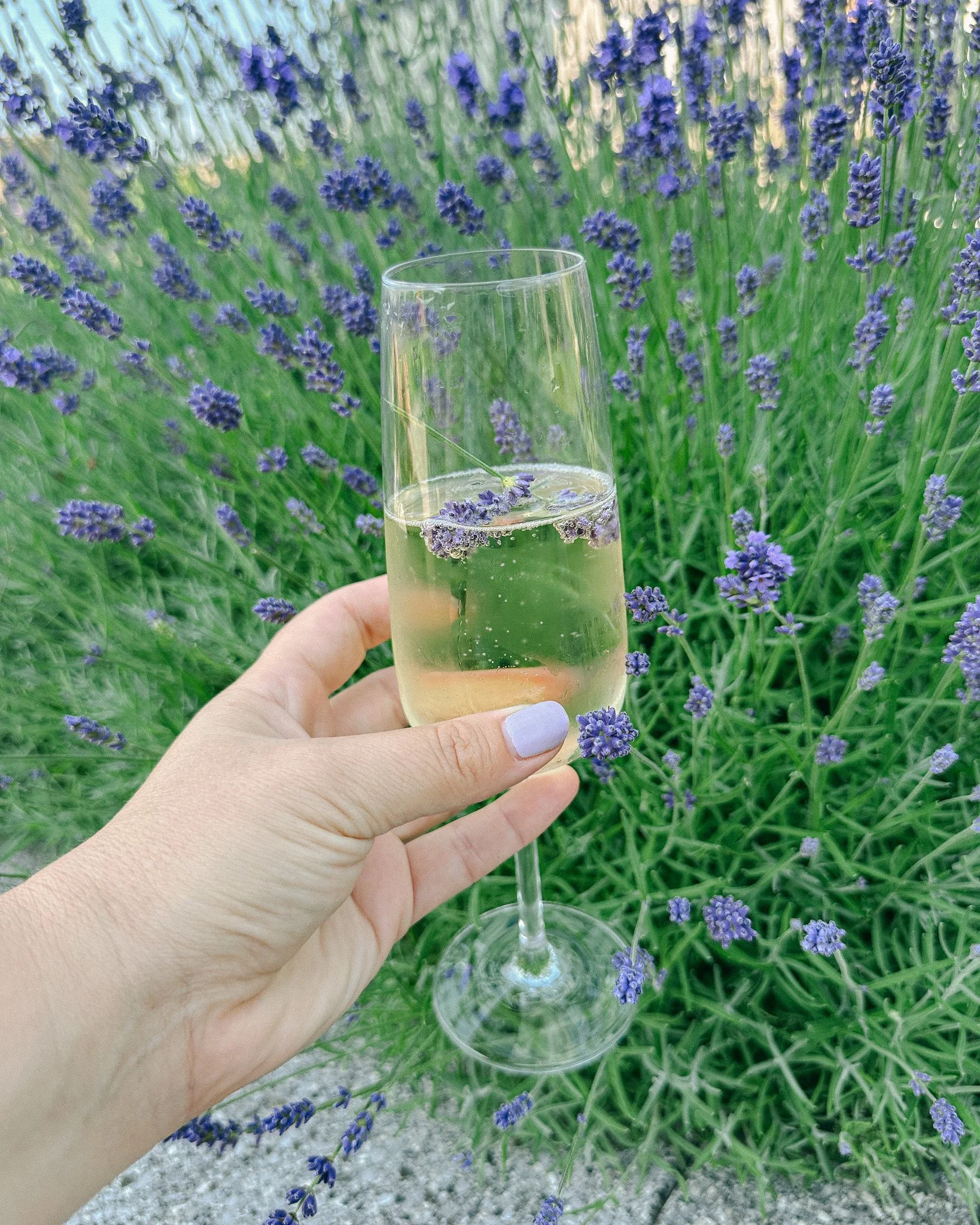
Bring strawberries if you have them. Obviously bring strawberries if you have them — local ones, from the farm shop or the field or the layby on the way home, warm and sweet and entirely the taste of this month. Add something sparkling. Add whoever is nearby or whoever said yes to the text.
Then do this:
Let June close on its own terms. Don't rush it. Don't reach for your phone. Don't start planning July. Just sit in the last long light of the best month and notice — properly notice — how good this has been. The peonies. The bats. The daisy chains. The ice cream man. The evenings that went on and on. The grass cuttings in the house that the Hoover will deal with in October.
This is what a good life looks like in June. Not perfect. Not polished. Just full.
The Strawberry Moon is the last full moon of the first half of the year. A natural pause — not an ending, just a breath — before the year turns its corner into late summer and begins, very slowly, to think about harvest.
We are not thinking about harvest yet.
It's still June. The strawberries are still warm. The moon is full and gold and right there.
Go outside.
New Moon Note
New Moon — Monday 15 June 2026
The darkest night of the most luminous month.
Which sounds like a contradiction — and is, a little. June gives us the longest days, the most light, the evenings that stretch so far into the night you lose track of time outside. And then, right in the middle of all of that, on the 15th, the moon simply disappears. The sky goes dark. The stars — freed from competition, doing their best work — fill in everything the moon usually takes up.
It's the quietest night of June. The still point at the centre of the most extravagant month.
Midsummer is coming — the solstice just six days away, the longest day building towards its peak. The new moon sits in that space just before everything reaches its fullest — a breath in before the held note. An invitation to go quiet for an evening before June reaches its crescendo.
The New Moon Ritual (for the stargazers and the quietly ambitious)
On the evening of the 15th, go outside after dark.
No moon. More stars than you've seen in weeks — the summer sky without its brightest distraction, the Milky Way faintly visible if you're somewhere dark enough and patient enough to wait for your eyes to adjust.
Look up for a few minutes. Let the scale of it do what it always does — make everything feel simultaneously more important and less urgent, which is one of the most useful feelings available to a human being and completely free.
Then do one of these:
Make a midsummer wish. Not a resolution. Not a goal. A wish — the simple, slightly childlike, completely ancient act of wanting something under a dark sky and saying so. June is the month of Juno, goddess of women and marriage and the sacred. The midsummer new moon is as good a witness as any. Say the thing you want. Say it out loud if you're brave enough. The garden won't tell anyone.
Plant something. The gardening lore of planting by the moon is older than most calendars — seeds sown at the new moon, when the lunar pull begins to draw water upward through the soil, are said to germinate with particular vigour. Whether or not the science fully supports this, pressing seeds into warm June earth on a dark midsummer evening is one of the loveliest acts available to a person in this month. Do it. See what grows.
Write one summer intention. Not a to-do list. One thing — one experience, one gathering, one moment — that you want to make real before summer ends. Write it down. Put it somewhere you'll find in September. The new moon is the beginning of the lunar cycle. Midsummer is the height of the year's energy. The combination is, for want of a better word, potent.
Then go inside. Make something cold. The solstice is six days away and June is about to reach its peak.
The Joy Edit
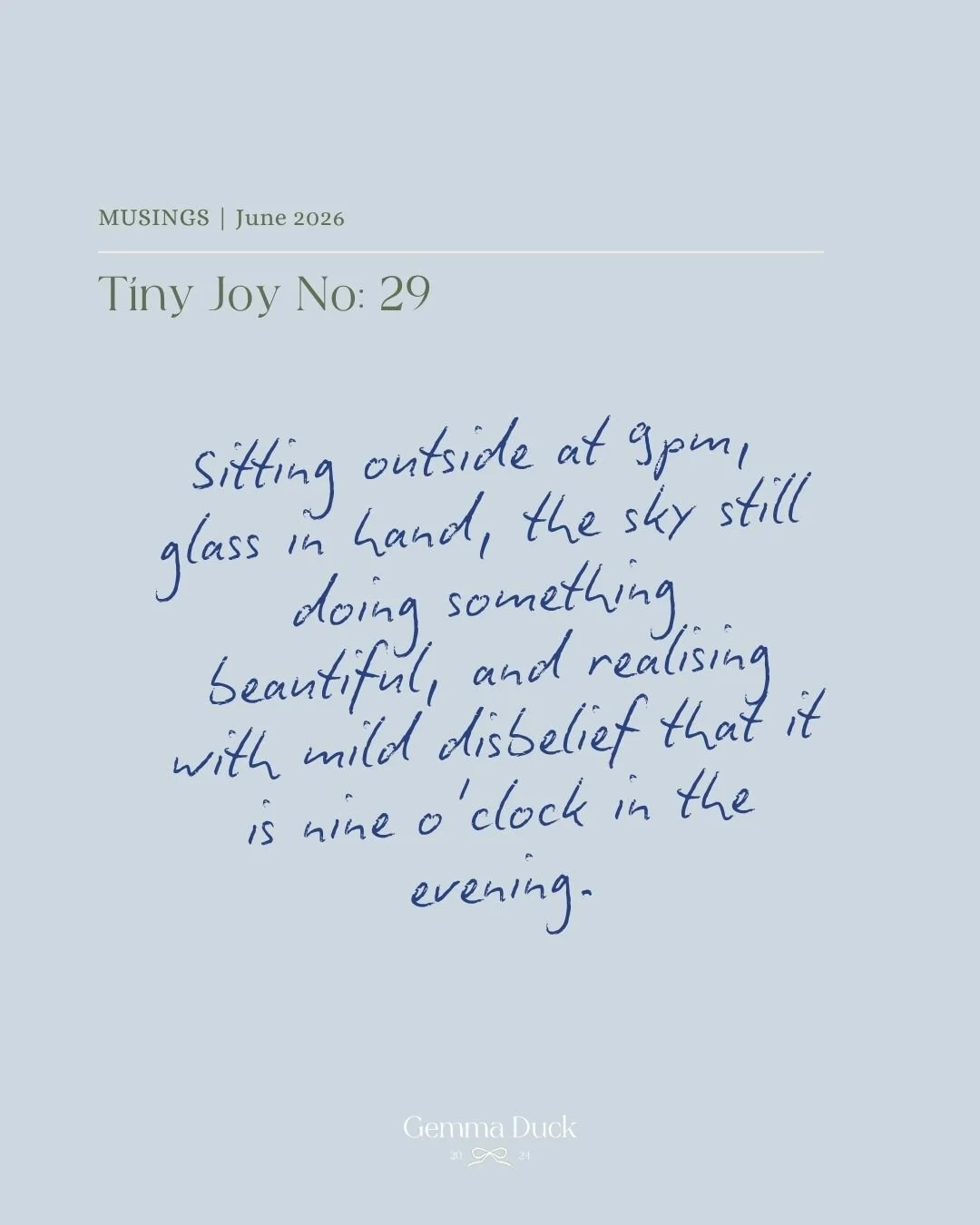
Ritual — Sit Outside Until the Sun Actually Sets: Not nearly sets. Not almost sets. All the way — the actual sun, the actual horizon, the whole thing. In June this is embarrassingly late and entirely the point. The sky will do something extraordinary in the last twenty minutes. The bats will appear just after the swallows go in. You will think: I nearly went inside at nine. Stay. You will not regret it.
Nature — Find an Ancient Meadow: Somerset has them — tucked into the Levels, along the valleys, at the edges of lanes you've driven past a hundred times. Go in the second or third week of June when everything is flowering simultaneously. Stand in the middle. The sound alone — every bee, every butterfly, every grasshopper going about its urgent business — is worth the drive. This is the most biodiverse moment in the British countryside calendar and it is happening right now outside your window.
Gather — Send the 4pm Text: "Anyone free tonight? Garden. Bring something." That's it. No theme, no planning, no tablecloth decision, no menu anxiety. Just the text. Research on spontaneous social connection consistently shows the unplanned gathering is more joyful and better remembered than the one you organised three weeks in advance. The 4pm text is a joy act. Send it this week.
Celebrate — International Picnic Day, 18 June: Our day. The one day a year the whole world agrees with us. Show up for it with full Duchess of Picnics authority — basket, blanket, good glasses, somewhere beautiful, someone you love. Don't do a sad desk lunch on International Picnic Day. That would be a genuine waste of a perfectly good June Thursday.
Make — Daisy Chains: On the lawn, with children or without, with a friend or completely alone. Sit in the grass and make daisy chains for no practical reason whatsoever. This is not childish. This is completely correct behaviour for a June afternoon and anyone who tells you otherwise has forgotten something important about being alive.
Notice — The Smell of June: This week, notice the smells. Suncream on the first properly hot morning. BBQ smoke drifting over from next door at seven in the evening. Warm earth drinking water when you go around with the hose. Roses as you walk past the gate. Strawberries still warm from the car. These are the smells that will come back to you in February, uninvited and welcome, and remind you what summer felt like. Notice them now, while they're here.
Joy Reminder — stick this somewhere obvious: Stop nearly doing the lovely thing. It's June. Actually do it.
Picnic, But Make It June:
The Duchess's Day — and she is showing up fully
June's picnic is different from every other picnic of the year.
April's picnic was earned — the triumphant first, the reward after a long winter, the blanket finally unfolded after months of waiting. May's picnic was abundance — we live outside now, this is simply what we do. But June's picnic is something else entirely.
June's picnic is authority.
This is the month the whole world agrees with us. International Picnic Day falls on 18 June — National Picnic Week runs alongside it — and on that day, the entire planet looks at a blanket on the ground outside and thinks: yes. That. The highest form of living. We have been saying this for years. We were right. We are always right.
Show up for it. Fully. No half measures on International Picnic Day.
The Strawberry Fields
There is a particular June experience that is so specific and so universally understood that it requires almost no explanation.
You arrive at the strawberry field. You are handed a punnet. You are told the price per weight. You set off down the rows with the absolute best intentions.
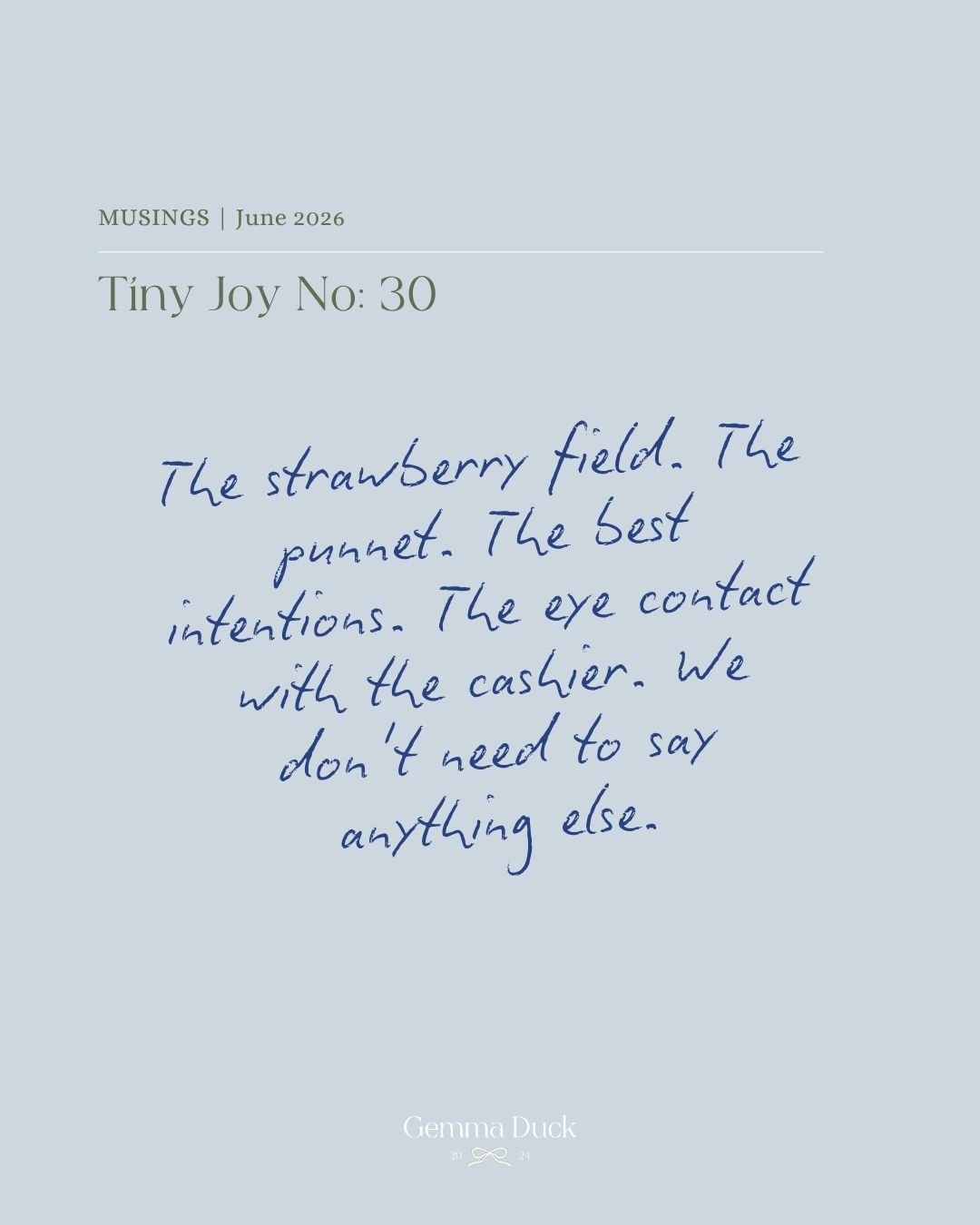
You eat one to check the quality. This is completely reasonable. You eat another because the first one was extraordinary and you need to confirm it wasn't a fluke. Then you're eating them continuously, rhythmically, with the focus of someone who has found their purpose, and by the time you reach the cashier the punnet is — not full, exactly, but full enough — and you maintain steady eye contact throughout the transaction and nobody mentions anything and this is the correct and understood behaviour of every person who has ever picked strawberries in a British field in June.
Then you stop at the layby on the way home anyway.
The hand-painted signs. The paper bags. The strawberries warm from the sun, eaten in the car before you've left the layby, the juice on your hands, the children already asking for more. This is not a detour. This is the destination.
Somerset laybys in June are doing something extraordinary. Don't drive past them.
The June Picnic Formula
May upgraded the basket. June upgrades everything.
The ground is dry now — no optimistic waterproof blanket required, just the good one, the one that photographs well and doesn't crinkle when you sit on it. The evenings are long enough that a picnic can start at five and still be going at eight with the light still golden and nobody suggesting home. The strawberries are at their absolute peak. The asparagus is having its last glorious weeks. Everything the garden and the farm shop has to offer is at its best, right now, simultaneously, for exactly this purpose.
The BBQ deserves its moment here too.
It is officially, properly, unapologetically BBQ season — and Father's Day on the 21st is the annual permission slip to fire it up for a crowd, hand someone else the tongs, and sit in the garden with something cold while the smoke does what the smoke does. The smell of BBQ drifting over Somerset gardens every evening from now until September is June's signature scent, its love language, its announcement that the best part of the year is in full, committed swing.
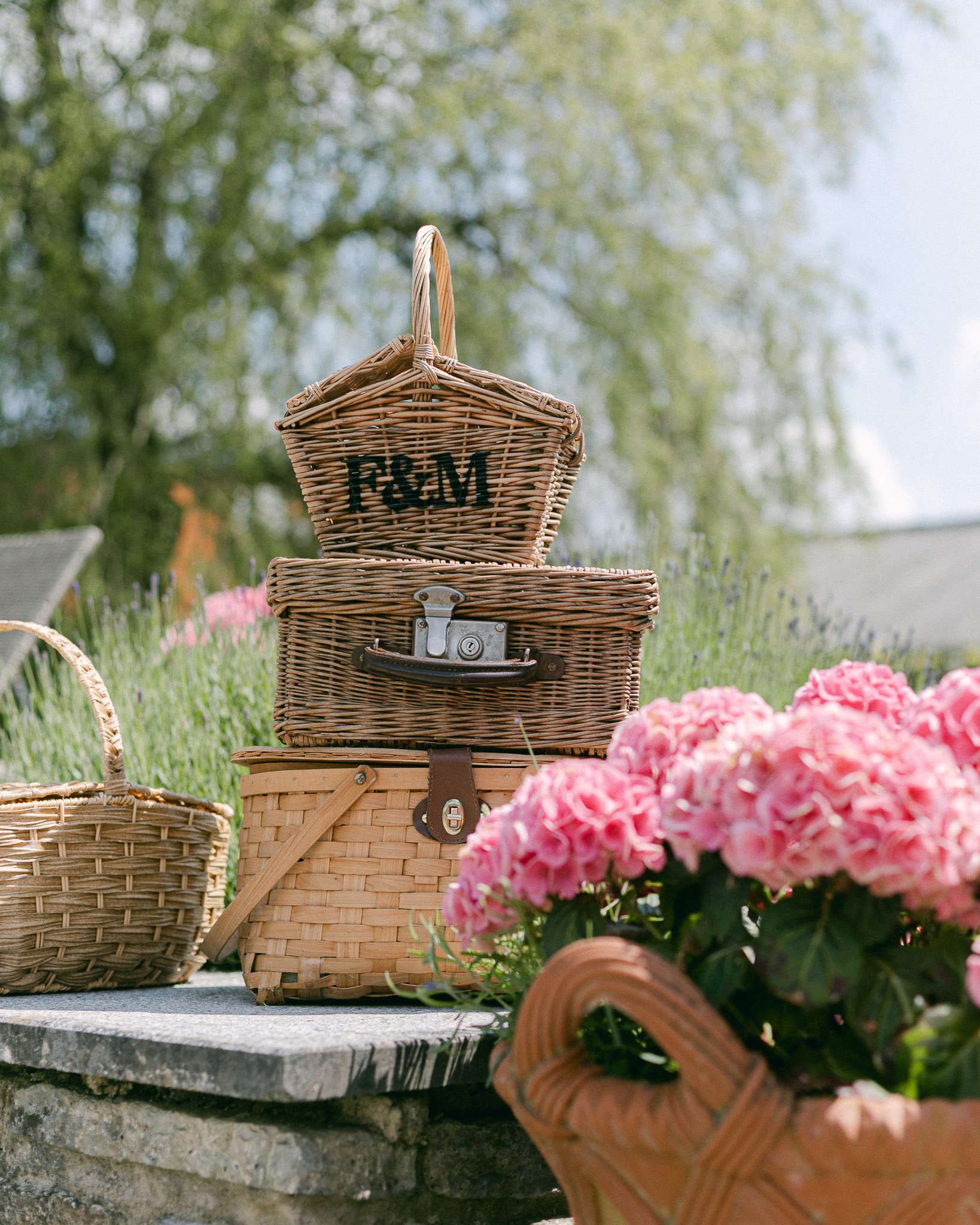
What to pack — the June basket: — Strawberries. Local. In a paper bag. Still warm if you can manage it. — Something cold and sparkling — the June picnic has fully graduated — Good bread, good butter, Godminster doing what it always does — New potatoes with mint — still going, still glorious, eaten cold and buttered — The June salad — torn herbs, whatever the garden is giving, something good on top — Ice lollies for the children — and one for you, obviously, because it's June — The good glasses, the good napkins, full authority — Sunglasses that are now simply on your face, where they belong permanently until October
The Cream Tea Interlude
National Cream Tea Day falls on 27 June. We are Somerset. The full ceremony — and the rules — are in the Cooking section below.
Etiquette (as ever, kindly enforced): Leave the field as you found it. The strawberry farm the same — take your punnets, smile at the cashier, maintain eye contact, say nothing. Let the dog walkers through. Wave at everyone — June people wave back. And if it rains, which in June it occasionally does despite everything, pack up cheerfully and call it a success.
You went. The strawberries were eaten. The good glasses came out.
That is always, always the whole thing.
Cooking with the Seasons
The window has been open since May and it is staying open.
The outside table is where meals happen now — not as a decision, just as the thing that occurs when you carry plates outside and nobody suggests coming back in. The kitchen is support staff in June. The garden is the kitchen, the dining room, and if the evening runs long enough, the living room too.
Cooking in June means herbs torn straight from the pot on the way past. Strawberries eaten before they reach the kitchen. Peas shelled standing up at the back door because you can't wait. The BBQ doing the heavy lifting several evenings a week while you sit in the garden with something cold and feel completely correct about your life.
This is not laziness. This is seasonal cooking at its most sophisticated.
What to Cook This Month
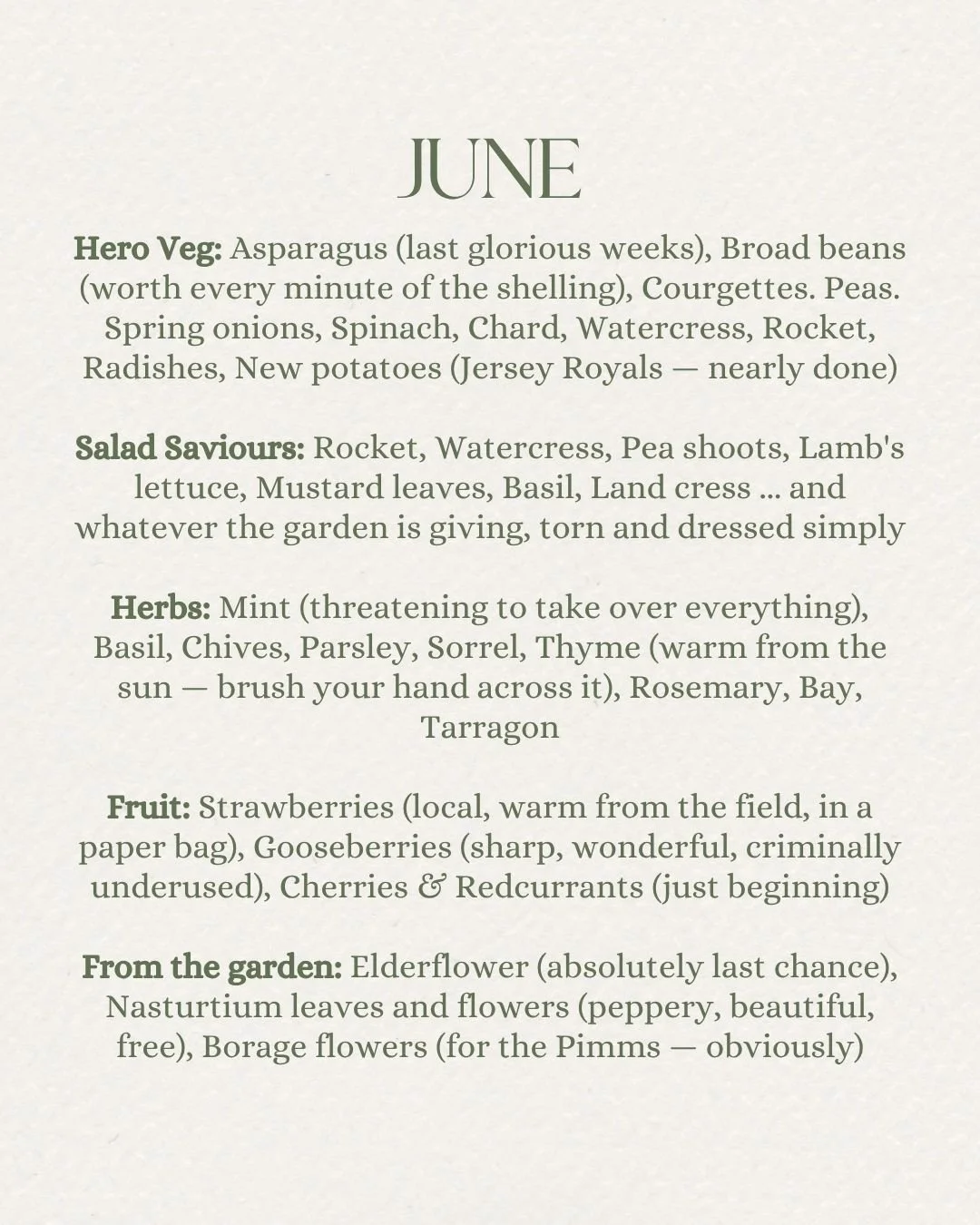
Strawberries — just as they are: A bowl. Some cream. Possibly a small scattering of icing sugar if they need it, which they won't if they're local and warm and actually in season. Do not make jam with them yet. Do not put them in a smoothie. Do not complicate them in any way. Eat them outside, in June sunshine, as nature and Somerset intended. Everything else can wait until July.
The BBQ — officially, properly, finally: Courgettes halved and charred until they're soft and slightly smoky and better than they have any right to be. Good sausages from the farm shop butcher, cooked slowly, not rushed. Corn on the cob in its husks, straight on the coals — this is the move, and if you haven't tried it you must, immediately, this weekend. Asparagus if there's any left — wrapped in something good, five minutes on the grill, done. The BBQ is not a gadget in June. It is the cooking method of the season.
The June Salad: Whatever the garden is giving. Torn herbs — mint, basil if it's on the windowsill, chives, parsley. New potatoes still warm, halved, dressed while hot so they drink it in. Broad beans if you've shelled them, which you have because shelling broad beans in the June garden while something good plays on the radio is one of the most meditative activities available to a human being. A good dressing, something sharp, something local on top. Eat outside. Obviously.
New Potatoes — last glorious weeks: Jersey Royals are nearly done — eat them constantly until they're gone and you'll still wish you'd eaten more. Boiled, buttered, mint from the pot, sea salt. Cold the next day in the salad. There is no wrong way to eat a Jersey Royal in June.
Broad Beans — full season: Tender, sweet, worth every minute of the shelling. With mint and feta. On sourdough with ricotta and lemon. Straight from the pod standing in the garden because some things don't need a plate.
The First Raspberries: Appearing at the end of the month — end-of-June, beginning of July — and to be treated with the same reverence as the first strawberries. In a bowl. With cream. Outside. No further instruction required.
Courgettes — beginning now: The first small ones are extraordinary — sweet, tender, nothing like the enormous marrow situation that will require creativity in August. Slice thin, olive oil, salt, five minutes in a hot pan or on the grill. That's it. June courgettes don't need improving.
Peas — eat them from the pod: If you're growing them, go outside and eat them straight from the vine before they make it to the kitchen. This is not inefficient. This is the correct use of a June garden.
The June Cream Tea National Cream Tea Day — 27 June Somerset rules apply
The scone warm from the oven — or from the farm shop, still warm in the bag, carried home carefully as if it matters, because it does.
The clotted cream: local, thick, applied first. A generous spoonful — not a scraping, not a suggestion, a proper Somerset clotted cream application that covers the scone entirely and makes no apologies.
Then the jam. Strawberry, obviously, because it's June and the strawberries are at their peak and there is simply no argument.
Cream first. Then jam. This is the Somerset way. This is the correct way. The Cornish can have their opinions. We have ours and we are not negotiating.
A proper pot of tea. Outside if the day allows, which in June it usually does. On the good plates if you have them, because National Cream Tea Day is a genuine occasion and deserves the good plates.
This is not a recipe. This is a ceremony. Conducted annually, on the 27th of June, in Somerset, by people who know what they're doing.
The June Kitchen Garden: Things are growing with a confidence and abundance in June that will tip into overwhelm by August — so enjoy this particular moment, when the garden is generous but not yet insisting.
The first courgettes. The broad beans at their peak. The peas ready or nearly ready. Herbs at their most vigorous — mint threatening to take over everything, basil finally happy, chives doing their reliable best. The salad leaves still tender before the heat bolts them. Cut and come again, every day, whatever the garden offers.
Eat from the garden every day this month. Not because you should. Because you can, and because July will come faster than you think, and because a bowl of something grown twenty feet from your kitchen table in June sunshine is one of the specific, unrepeatable joys of this month and this month only.
Tiny Somerset Swaps: Strawberries from a local pick-your-own — the difference between a warm Somerset strawberry in June and a supermarket one in January is not a small difference, it is a completely different experience. Clotted cream from a Somerset dairy for the cream tea — local if you can, always the real thing. Sausages from the farm shop butcher for the BBQ — you'll taste the difference and you'll feel good about it. Herbs from your own garden or a Somerset farm shop — they'll have everything now and it will cost almost nothing and smell extraordinary.
Waste-not note: Strawberry tops → cold water infusion with mint, the best summer drink, free, five minutes to make. Broad bean pods → straight to compost, feel genuinely virtuous. BBQ leftover veg → cold in tomorrow's salad, better the next day. Cream tea leftover scones → split, buttered, five minutes in a warm oven next morning. Not quite as good. Still very good. No scone left behind.
This month you’ll find me …
June is the month I stop making plans and start just — living it.
The basket is repacked for summer — strawberries added to the permanent list, the good glasses promoted from occasional to mandatory, a fresh jar of elderflower cordial from last month's making tucked alongside the Godminster. I approach this with the energy of someone packing for a holiday they've been looking forward to since February. Which is, essentially, what this is.
Standing in the garden at 6am with a cup of tea because the doors have been open all night and the garden is already doing extraordinary things and it would simply be rude not to go and see.
Cutting peonies from the garden and putting them in every room because it is June and the peonies are here and life is short and the kitchen table deserves them. How did I nearly forget about the peonies.
At the strawberry field with the children, eating one per punnet contributed, maintaining full eye contact with the cashier, saying nothing, stopping at the layby on the way home anyway.
In an ancient meadow somewhere in Somerset, standing very still in the middle of it, listening to June doing its most biodiverse and extraordinary thing.
Sending the 4pm text. Actually sending it. Not drafting it and putting my phone down. Sending it.
On International Picnic Day — fully, properly, with the basket and the blanket and the good glasses — because this is my day and I am showing up for it with complete Duchess of Picnics authority and zero apologies.
Watching the demoiselle dragonflies on the stream and thinking: I live in the most beautiful place on earth. Because I do.
Staying outside until the actual sun actually sets, which is embarrassingly late and entirely the point, and watching the bats come out after the swallows go in.
At the school car park on Wednesday. No cash again. The ice cream man and I exchange our look. We understand each other. We are fine.
Making daisy chains on the lawn with absolutely no justification. Not offering one.
Turning the sprinkler on for no practical reason whatsoever and standing in it briefly because it is June and we are alive and some things need no further explanation.
Sitting outside at 9pm in a light cardigan thinking: winter is so far away it doesn't feel real. Good. Let's keep it that way.
Closing June on the 30th outside under the Strawberry Moon — local strawberries, something sparkling, whoever said yes to the text, the last long evening of the best month going gold at the edges — feeling completely, quietly, embarrassingly lucky.
June. The best month. There, I said it.
May your strawberries be warm from the field, your peonies last the full week, and your evenings be long enough that going inside never quite feels necessary.
With love, Gemma x
Stay a while …

The Piknic Club
Life is too short for boring picnics.
The Piknic Club is where the blanket-spreading, basket-packing, joy-seeking community lives. Seasonal boxes, curated picks, and the kind of picnic inspiration that makes you want to drop everything and go outside immediately.
Come and be nosey …
The blanket is always out over on Instagram. Behind the scenes Picnicscapes, Somerset life as it actually happens, and the occasional opinion about gingham.