The Joyful Almanac - July
Chapter Seven: The Dog Days. Finally.
July doesn't arrive with June's fanfare. It just, kind of settles.
Like the moment in a long perfect summer's day when you stop checking the time and simply stay where you are. Like the scene in Dirty Dancing when Baby finally stops trying to plan everything and just, dances. July is that. The month you stop managing summer and start actually being in it.
The Anglo-Saxons had the best name for it — Mead-Monath, the month of meadows in bloom and honey being made and long warm evenings that deserved a name as golden as they felt.. And from the 3rd of July, officially, anciently, magnificently, the Dog Days begin. Named for Sirius the Dog Star rising with the sun, making the days hotter, more languid, slightly fever-ish and ancient-feeling.
The world has a name for this feeling. We just call it July. And we have been waiting for it since February.
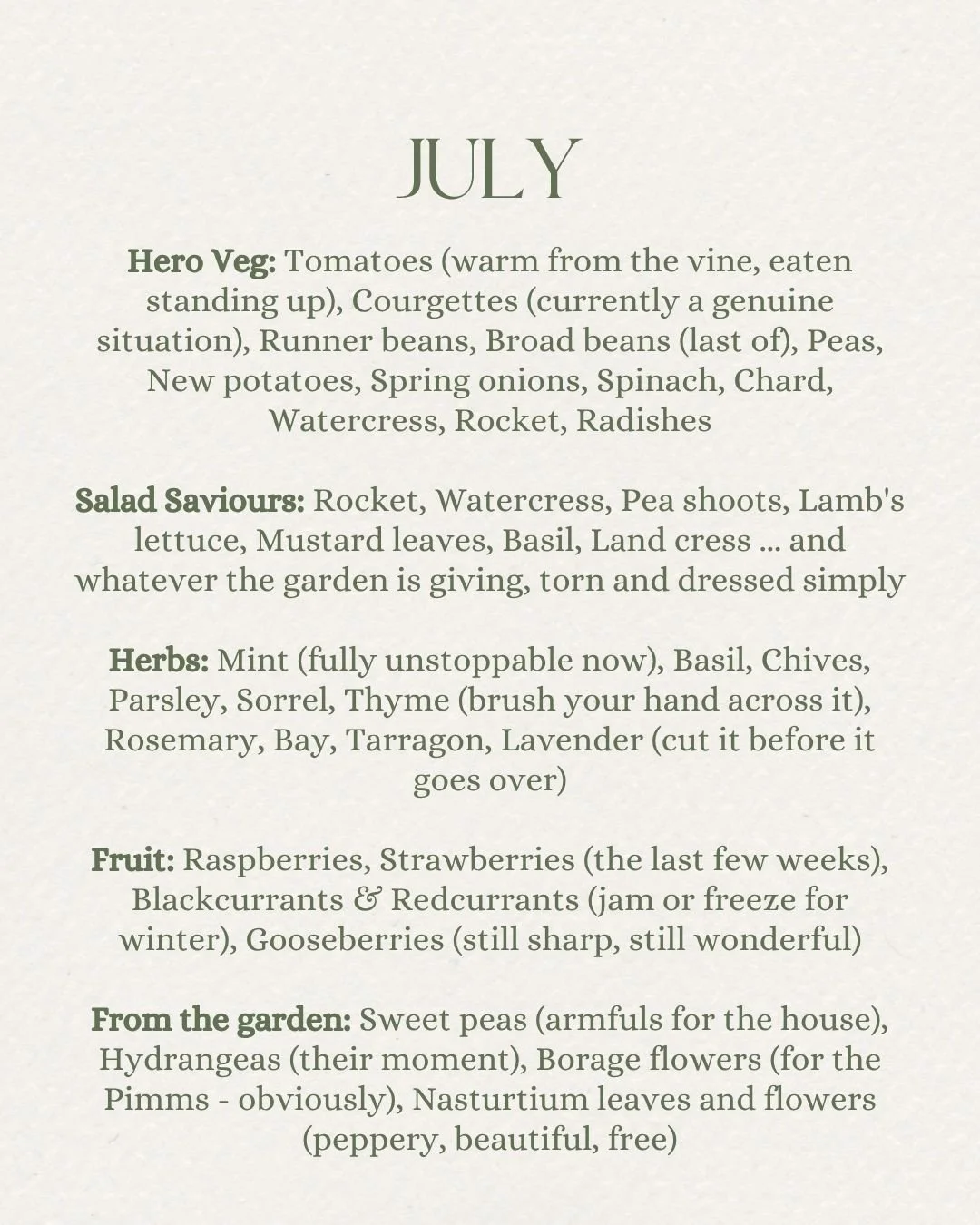
The garden is no longer promising. It is delivering. The hydrangeas, finally, properly, at their absolute magnificent peak, the big blousy mopheads in every shade of blue and pink and white, doing something so beautiful in the morning light that I stop every single time. The sweet peas are in armfuls on every surface in the house. The buddleia is covered in every butterfly in Somerset simultaneously; the small tortoiseshell, the red admiral, the painted lady. The lavender is buzzing from dawn. The first tomato of the year has been eaten standing in the garden, warm from the vine, no plate, no knife, just because the first tomato of the year deserves ceremony.
The courgettes are becoming a situation. A beautiful, generous, giving-them-to-both-neighbours situation, but a situation nonetheless.
The school term is ending, and with it comes the particular bittersweet feeling of closing doors, the last assembly, the teacher presents carefully chosen and lovingly wrapped, the summer fête, the final Wednesday school run that you don't fully appreciate until it's happened. The children spilling out into summer with the energy of people who have been counting down for weeks.
My teens are already home; GCSEs and A Levels done, the never-ending summer already underway, the house already operating at full joyful chaos. The younger ones join them on the 22nd of July. And then - the exhale. That particular full-body exhale of the first morning nobody has to be anywhere by nine. If you know, you know. If you have children, you know. If you have teenagers who have just sat their exams and are now entirely, blissfully, magnificently free - you really know.
The never-ending summer is without doubt, the best possible problem to have.
July is the month the garden becomes less a project and more a companion. The month the evenings are still long but there's a new quality to the light, golden rather than green-gold, thicker, more honeyed, more amber. The long lazy lunch that runs until five. The BBQ that comes out every evening without being decided upon. The bare feet everywhere; garden, kitchen, front step, shoes are genuinely optional until at least September.
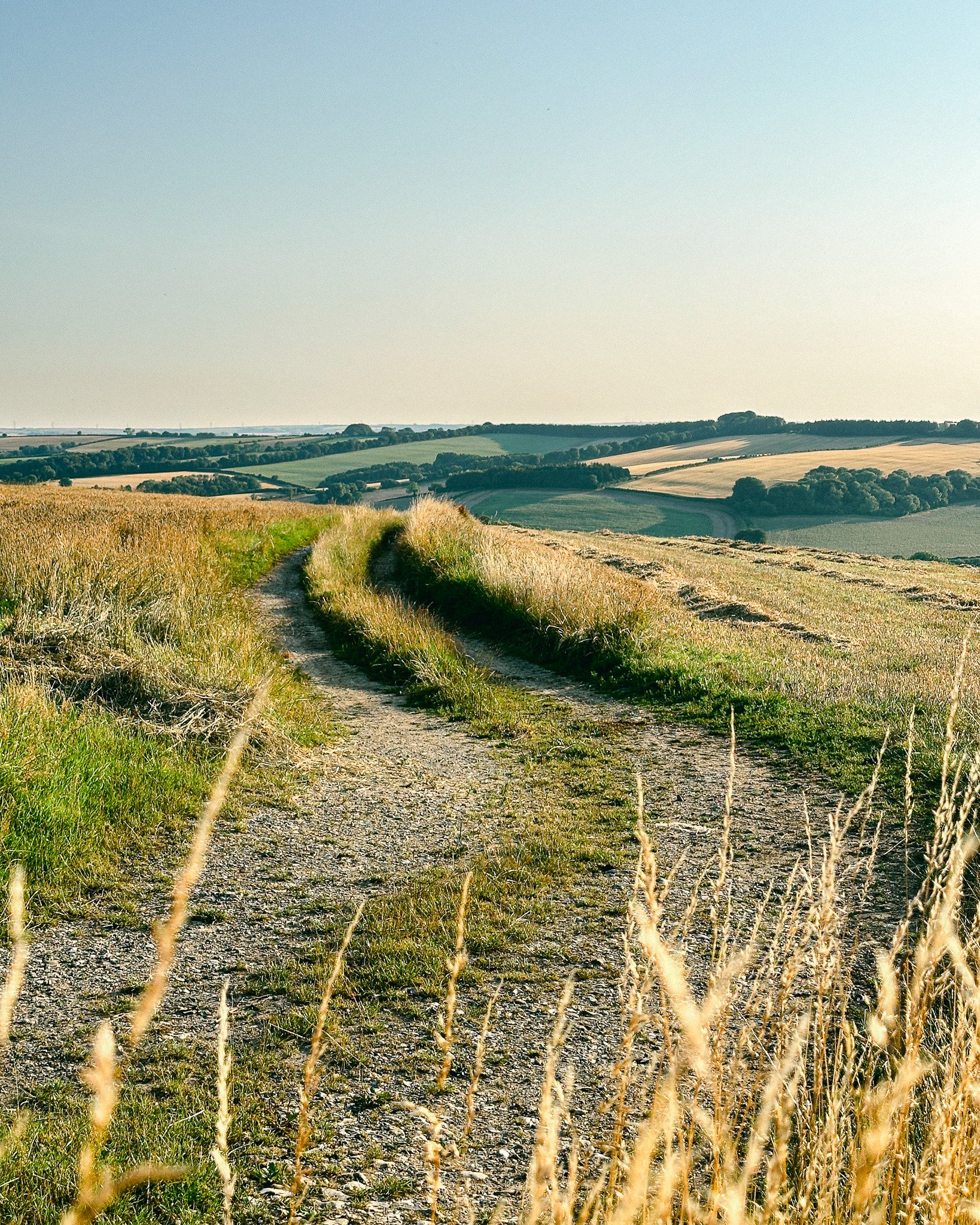
The fields are turning gold. The tractors are in the lanes. The Buck Moon is coming on the 29th, full and warm-toned and hanging above the horizon like something from a painting, rising over fields that smell of warm straw and the particular dusty sweetness of a Somerset summer at its peak.
Stand in the garden this month. Do absolutely nothing for as long as you can manage it. That is all July asks.
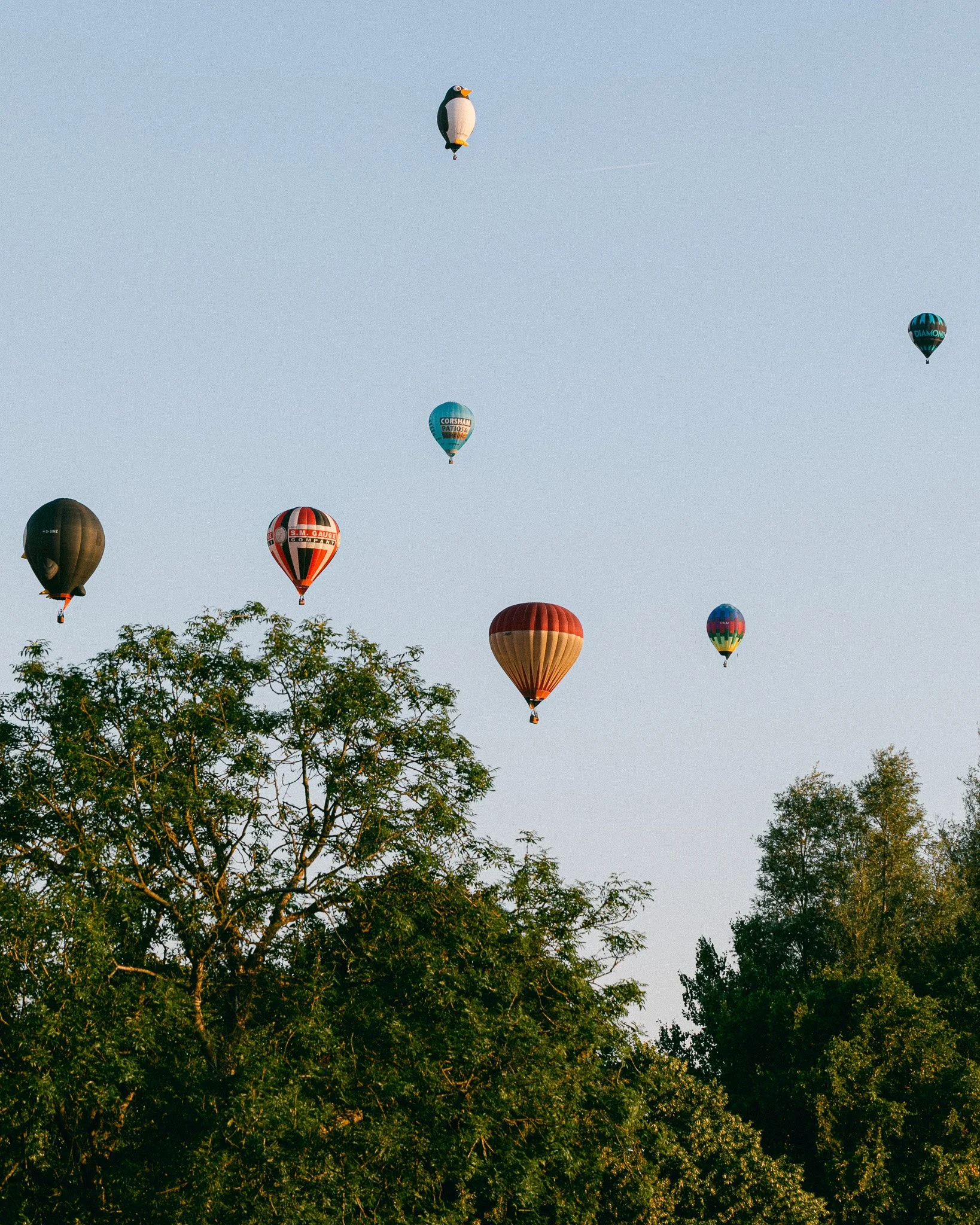
July Snapshot (dates worth a circle)
You don’t need to mark every date — think of these as gentle pins, not instructions. One or two is plenty.
3 July — Dog Days Begin / St Thomas's Day: The hottest, most languid, most golden days of the year — officially. Also: Thomas Strizeln — finger-shaped cakes traditionally baked today in honour of St Thomas. A centuries-old baking ritual that deserves an immediate revival.
Wimbledon Finals — Women's and Men's, early July: Strawberries. Cream. Rain delay. The BBC commentary that stops the nation. Murray Mound. The cream tea of sport and the most British possible way to spend a July afternoon. Somerset is fully qualified to participate. Cream first. Obviously.
12 July — Battle of the Boyne: A date of deep historical and cultural significance — mentioned with warmth, with respect, and with the understanding that July contains multitudes.
14 July — New Moon / Bastille Day: The darkest night of midsummer — and in France, simultaneously, bonfires and dancing and wine in the street. The quiet and the joyful, on the same evening. See the New Moon Note below.
15 July — St Swithin's Day:If on St Swithin's Day it doth rain, for forty days it will remain. The most famous British weather superstition of all time and the most democratically observed — every person in Britain checks the weather on the 15th. Every single one. Whether they mean to or not.
22 July — School Summer Holidays Begin: The exhale. The chaos. The beautiful never-ending summer officially underway. The first morning nobody has to be anywhere by nine is one of the unrepeatable joys of the British school year. If you know, you know.
23 July — Birthday of Haile Selassie: Celebrated by Rastafari communities worldwide — a date of cultural significance, warmly noted in a month of many celebrations.
25 July — St James's Day: The patron saint of pilgrims — and traditionally, in the old calendar, the start of the oyster season. July as the month of journeys, wandering, the long way round.
29 July — Full Buck Moon: Named for the male deer in full magnificent antler growth — wild, strong, abundant, at the peak of everything. The moon of midsummer and the most golden evening of July. See the Moon Moment below.
30 July — International Friendship Day: Think of the friend you've been meaning to see all summer. Not the "we must catch up soon" message. The "are you free Thursday" message. There is a difference and both of you know it.
Nunney Street Fair / Open Gardens / Local Summer Fêtes: The Somerset summer calendar doing exactly what it does best — community, colour, the particular warmth of a village in July with its doors and gates wide open. Go. Take the children. Wave at everyone.
These are the gentle pins that hold July in place. Choose the ones that feel like yours. Let the others drift past like the longest evening of the year — golden, unhurried, and over far too soon.
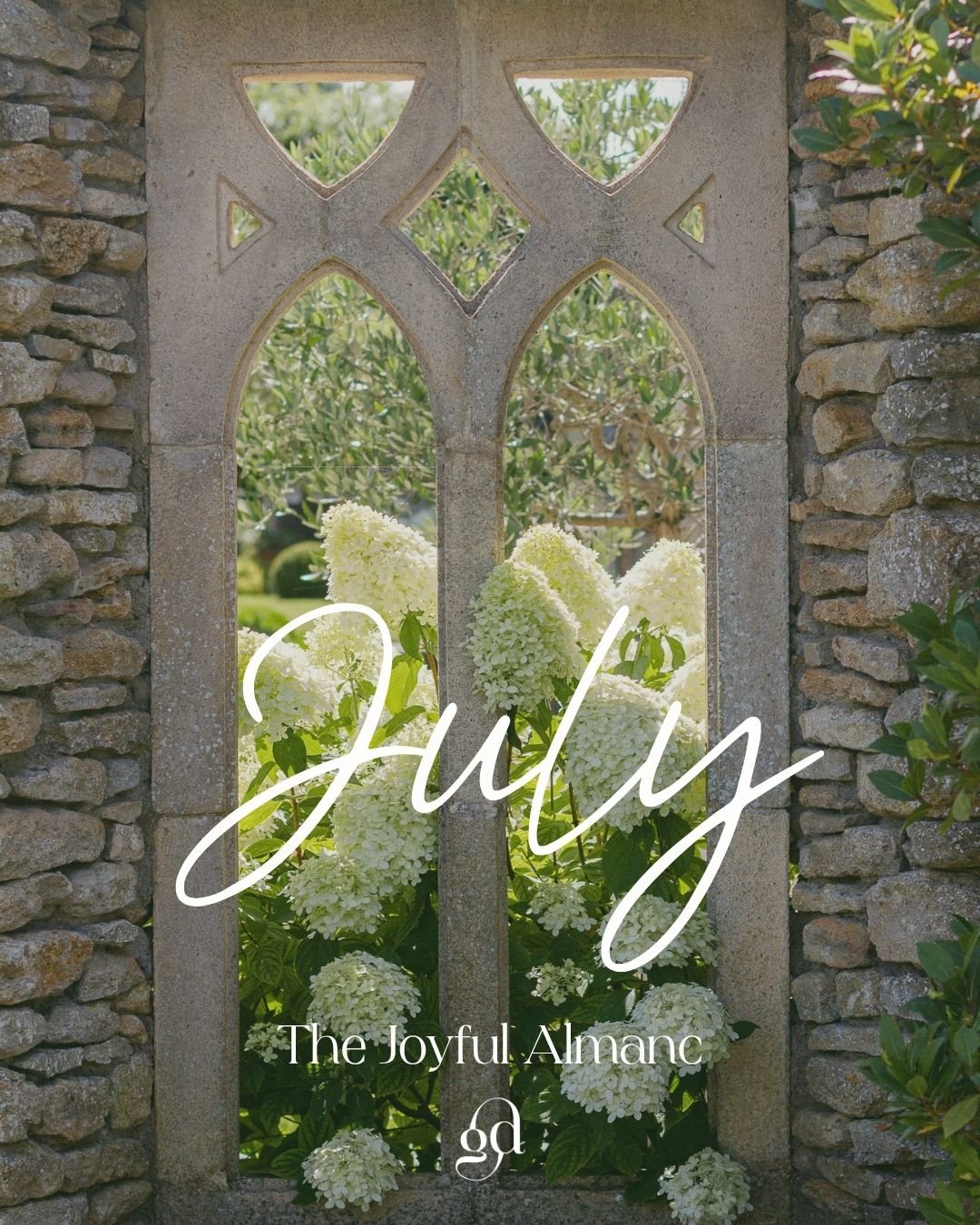
Flora & Feelings
Peak Summer and the First Whisper of What Comes Next
July's garden doesn't announce itself the way June's did.
It simply — is. Full, certain, abundant, completely sure of itself. Every border doing its best work simultaneously. The air warm enough that the smell of the garden reaches you before you've even opened the back door; lavender and roses and something sweet and grassy and entirely July. . . And then the hydrangeas.
The Hydrangeas — Finally
Every year I forget quite how extraordinary they are, and every year July reminds me. The big blousy mopheads, blue and pink and white and the occasional extraordinary deep purple, at their absolute peak, the flower heads so full and so perfectly formed that they look almost unreal, like something from a florist's window rather than a garden that also contains a hosepipe and two forgotten trowels.
I cut them for the house. Armfuls, more than seems reasonable, more than the garden can spare, and yet the garden makes more, because July gardens are nothing if not generous. A jug of hydrangeas on the kitchen table changes the room. A bowl of them on the bathroom windowsill changes the whole floor. They were in my wedding bouquet, an August wedding, but July is when they're at their most magnificent, and every year, standing next to them in the garden with the secateurs, I think of that.
If you have hydrangeas, cut them now. Don't leave them for the rain to knock over. The garden will replace them. That's what July gardens do.
The Lavender
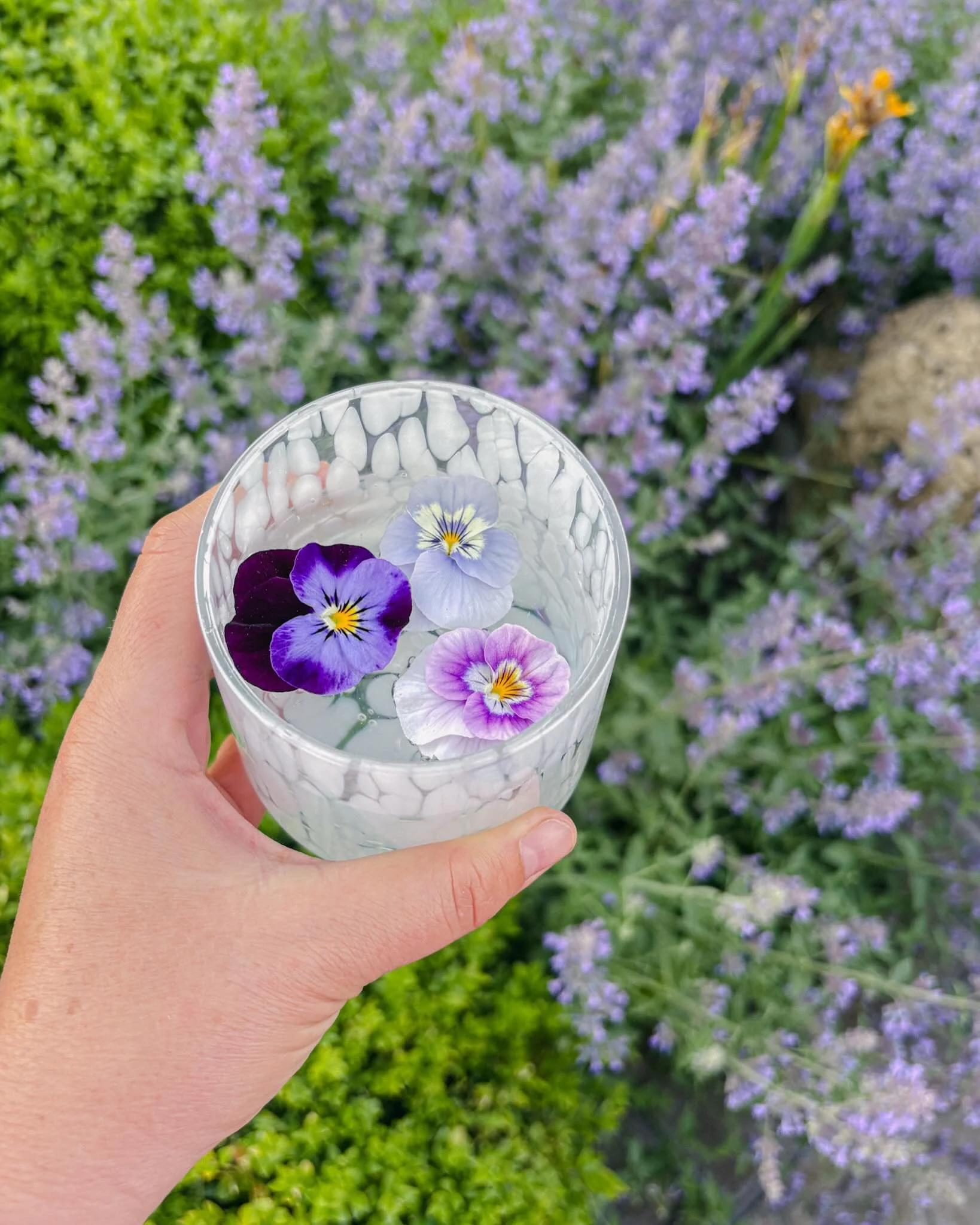
Peak lavender month,and the Somerset and Dorset lavender fields in July are one of the specific unrepeatable joys of living in this part of the world.
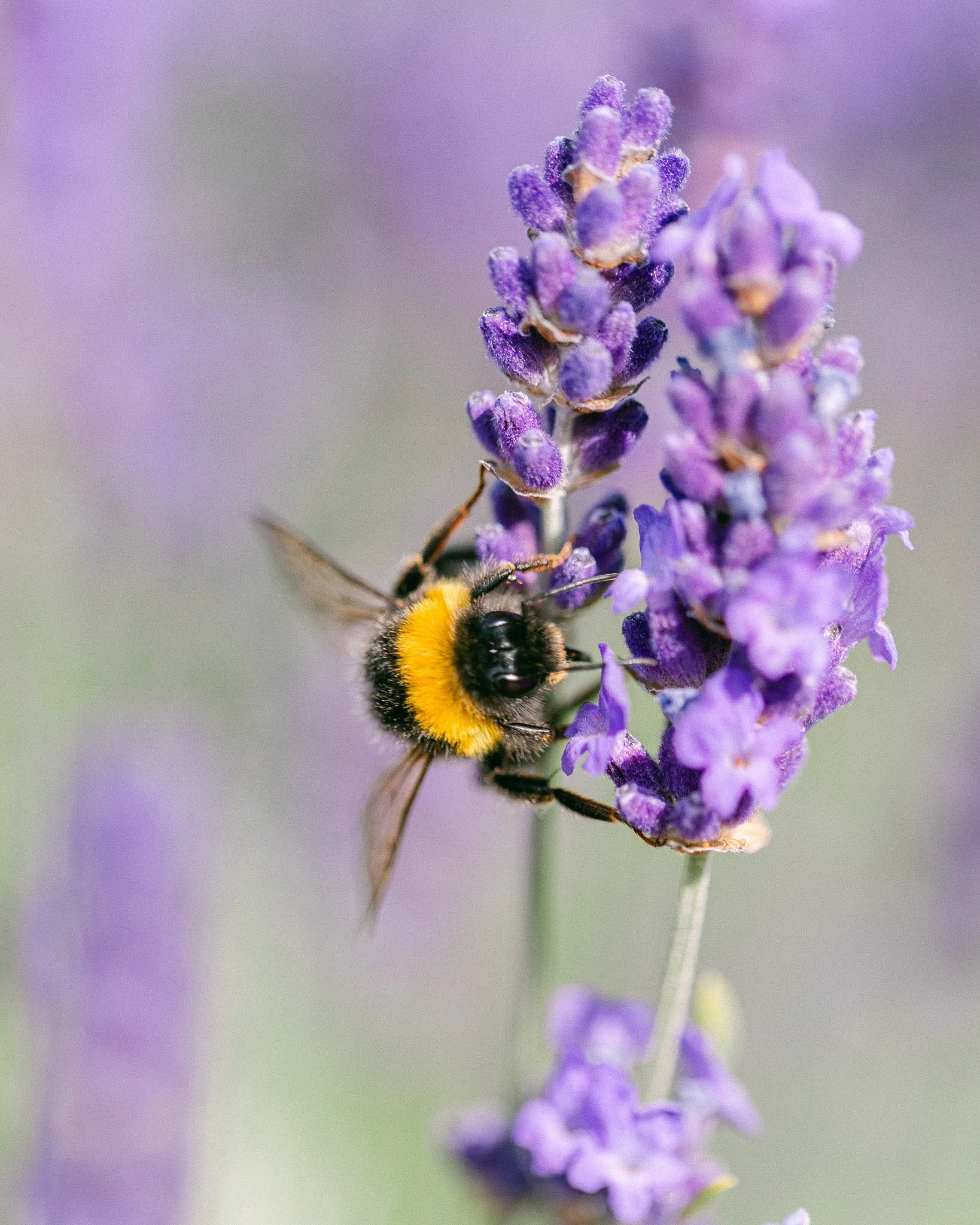
The purple rows stretching out in the morning light. The sound of it, every bee in the county on the flowers simultaneously, that particular rich collective hum that is the sound of a lavender field doing exactly what it's supposed to do. The smell when you brush your hand along the plants, one of the best smells of the entire year, competing only with mown grass and Ambre Solaire and the warm dusty sweetness of a Somerset lane in July.
Cut it now, before it goes over. Tie it in bundles and hang it somewhere cool and dry. In January, in the linen cupboard, you will find it, and something will happen. Something that feels very far from January and very close to this exact moment, standing in a lavender field in Somerset in July while the bees do their magnificent work. Plant more lavender. There is no such thing as too much lavender. The bees know this and we should always listen to the bees.
The Buddleia and the Butterflies
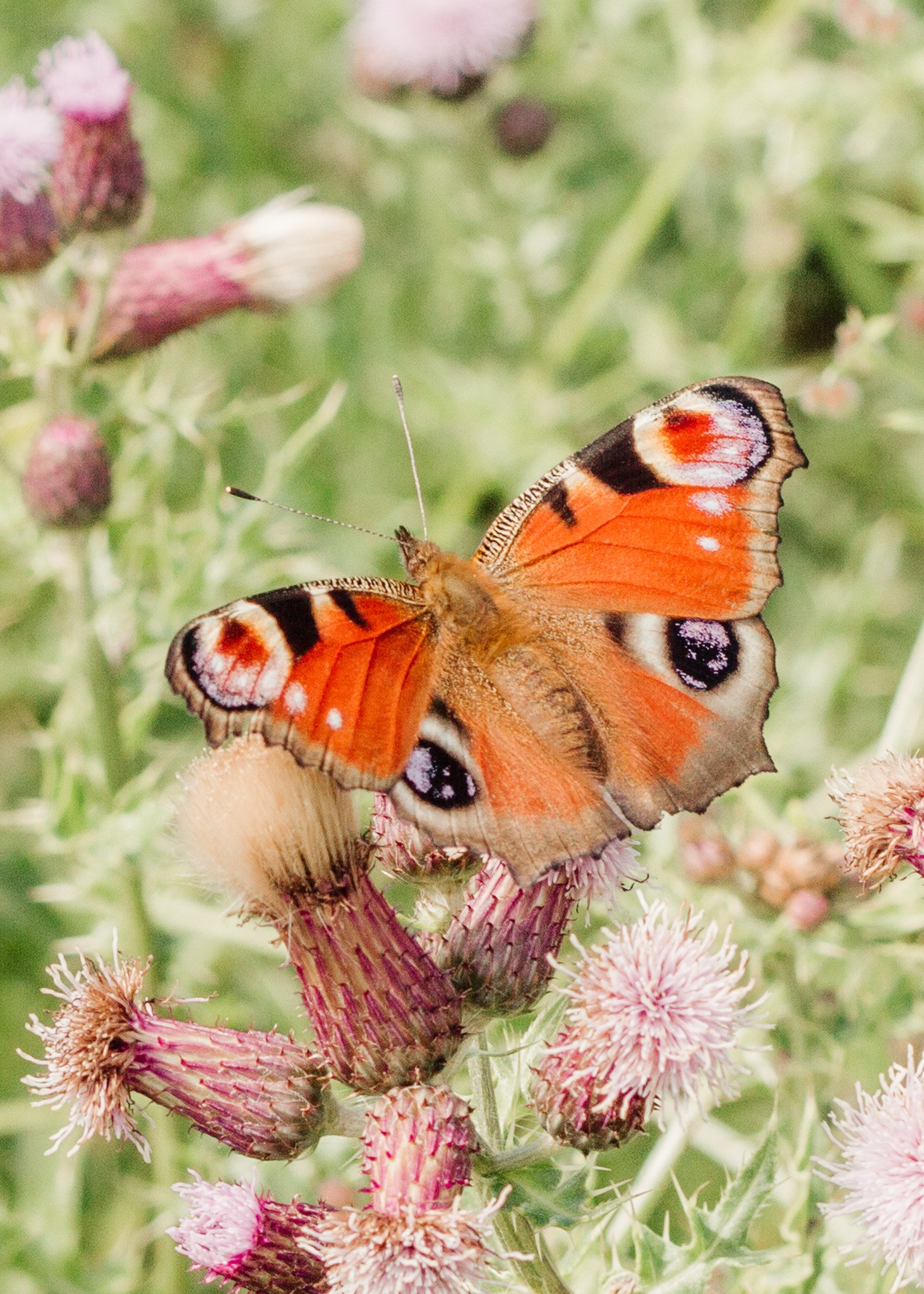
Every butterfly in Somerset is on the buddleia simultaneously and I will not be exaggerating about this.
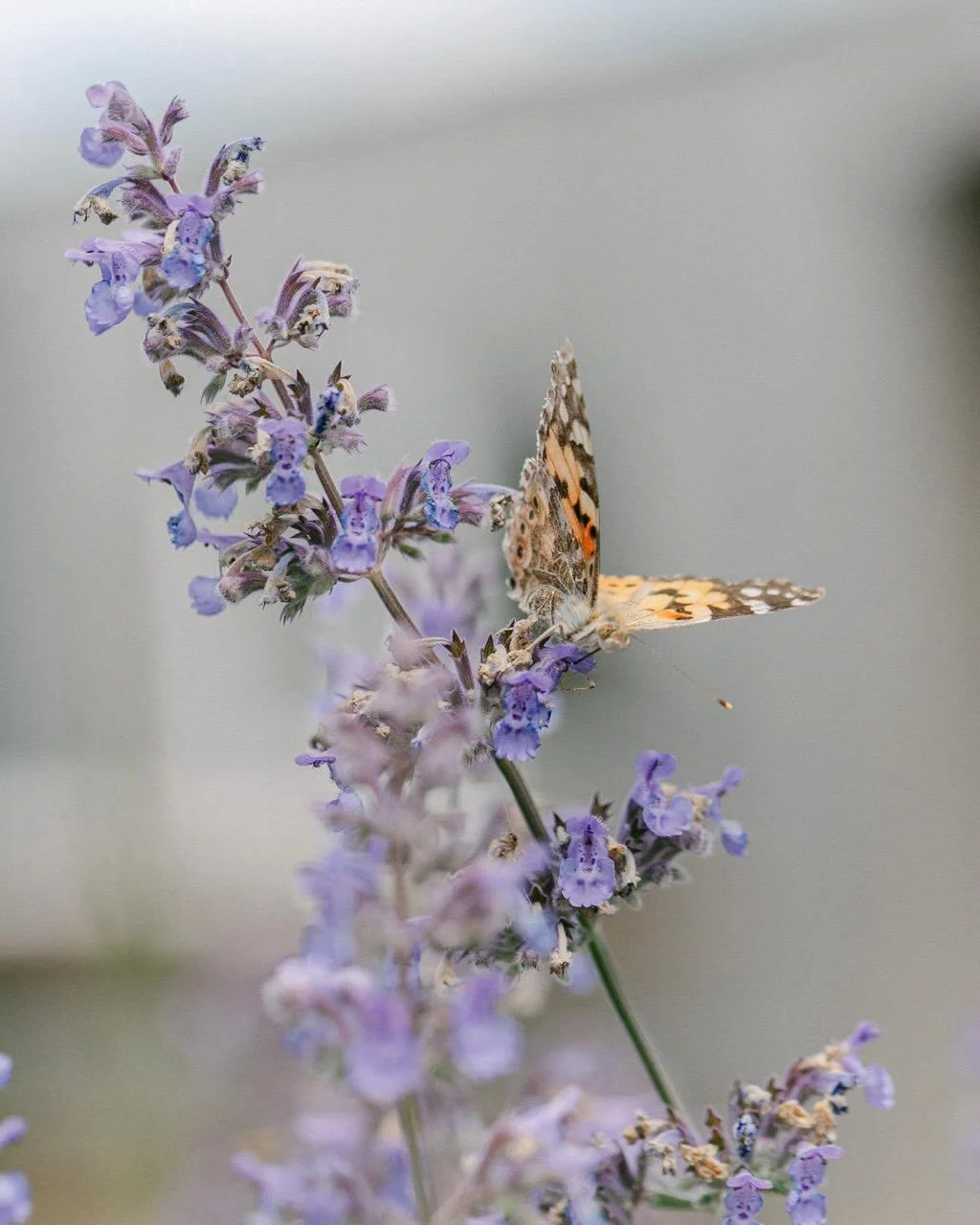
The small tortoiseshell — Vanessa urticae — named for the stinging nettle it lays its eggs on, one of Britain's most beloved butterflies, the warm amber-orange of its wings the exact colour of July itself. The red admiral — deep black and crimson and white, impossibly elegant. The painted lady if you're very lucky — the great migrant, having flown from North Africa or even further, landing on your buddleia in Somerset as casually as if it had always planned to be here.
July is the absolute peak of butterfly season and the buddleia is where they all are. Stand beside one for five minutes this week. Don't do anything else. Just watch.
Meadowsweet
The most overlooked extraordinary wildflower in Britain, and July is its month. Growing in the damp meadow edges and along the stream banks — frothy, creamy, slightly unruly, smelling of something so sweet and warm and specific that you stop mid-walk every time. Vanilla and almond and something else entirely that doesn't have a name but is unmistakably July. Ancient herbalists used it to flavour mead — the Anglo-Saxons' mead-monath connection complete. It contains salicylates — the compound aspirin is derived from — and the old world used it for healing, for strewing on floors, for scenting rooms.
Look for it on the damp edges of the Somerset lanes and stream banks this month. White and frothy and briefly perfect. Don't miss it.
The Meadow in July — the Tender Note
June's meadow was at its most abundant, its most biodiverse, its most magnificently loud.
The flowers going over one by one. The grasses seeding, the flower heads drying to something architectural and beautiful in their own right. The sound changes, louder now in a different way, drier, more insistent, grasshoppers and crickets and beetles where the bees were, the particular rasping, clicking, entirely summer soundtrack of a meadow in its second act.
The bee orchid if you're lucky, still findable in Somerset meadows in early July, the extraordinary flower that looks exactly like a bee and fools nobody and everybody. Purple tufted vetch scrambling through the seed-heads. Common nipplewort's small yellow flowers on the verges. Bittersweet beginning in the hedgerow, the woody nightshade with its tiny purple flowers and its berries ripening from green to orange to red, like a tiny traffic light nobody asked for.
The longer grasses reflect recent winds. The shorter grasses reflect longer weather trends. The meadow is reading the weather in its own language, one that was being spoken here long before anyone arrived to name it.
July sits between the explosion of spring and the bounteous fruits to come. It is abundance and beginning-to-fade simultaneously, and both of those things, it turns out, are beautiful.
The Tractors
The Somerset lanes are changing. The combines have arrived, those magnificent, enormous, entirely purposeful machines moving between fields along the lanes with a slow deliberateness that makes everything else feel slightly rushed by comparison. The fields turning from green to gold, row by row, field by field, the year turning its great agricultural corner.
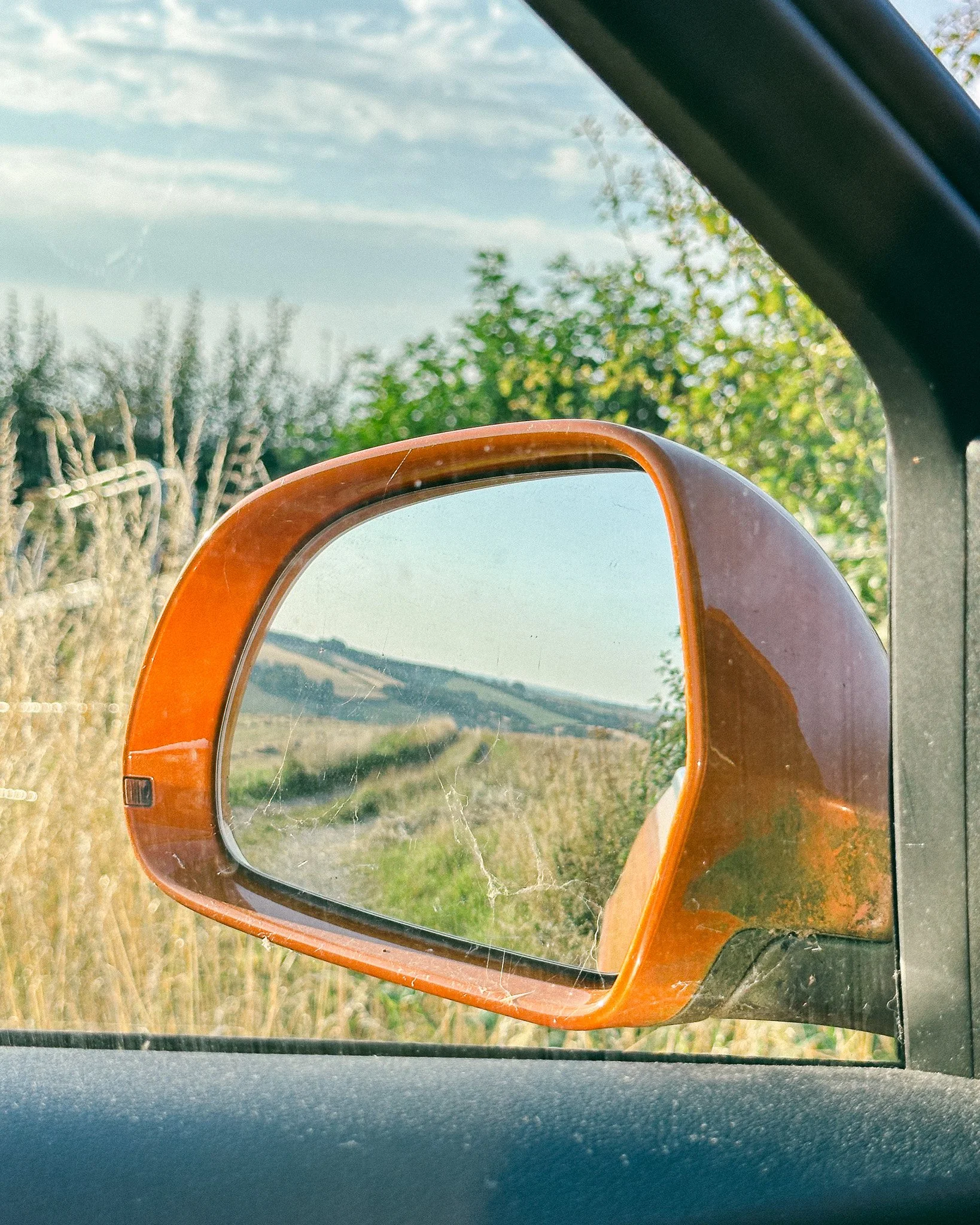
Being stuck behind a tractor on a Somerset lane in July is not an inconvenience. It is an invitation.
Wind the window down. Smell the warm straw and the diesel and the particular dusty sweetness of a summer lane in the middle of harvest. Notice what the fields are doing, which is turning gold, which is extraordinary, which has been building to this moment since March when the first seeds went in. The tractor is not in your way. You are briefly in the tractor's world, and the tractor's world is the one that feeds us, and it is worth noticing. Slow down to the speed of the Somerset summer. You have nowhere more important to be.
The Birds — Quieter Now
The dawn chorus has dialled back, not gone, but gentler. The fledglings are grown. The territorial urgency of spring is over. The swallows and swifts are still here, still performing on the long July evenings, but the mornings are quieter and the quiet, after three months of extraordinary avian noise, feels like a different kind of gift.
Some of the summer migrants are beginning, barely, not consciously, just at the level of instinct, to feel the first faint pull of somewhere south. The swallow on the wire, preening in the July sun, has no idea it's going. Or maybe it does, and July is its savour-every-moment month too.
The dragonflies are at their absolute busiest, darting and hovering over every pond and stream and ditch, the demoiselle still, the hawkers and chasers and darters all out simultaneously. The most ancient insects, unchanged for three hundred million years, doing what they always do over the warm July water.
Weather Soul
A swarm of bees in July is not worth a fly — so the old proverb goes. The year has turned its corner even as it looks most magnificent.
The Dog Days are doing exactly what the Dog Days do: making the afternoons thick and golden and slightly unreal, the light more amber than green, the shadows longer than you expect, the whole world looking slightly like a memory even as it's happening. The ancient feeling of a hot July afternoon — the stillness, the heat, the sound of grasshoppers — is the same feeling the Romans had. The same the Anglo-Saxons had. We just call it July and sit in the garden with something cold and feel, without quite knowing why, that this is exactly right.
Folklore Focus: Mead Month, the Dog Star & the Month Julius Stole
July has been given many names, and every single one of them tells you something true about it.
The Romans called it Quinctilis — the fifth month, plain and functional, just doing its job. Then Julius Caesar reformed the calendar in 46 BC and, with the quiet confidence of a man who had conquered most of the known world and felt a month was the least he deserved, renamed it after himself. Julius. July. Just like that. The audacity of it is, honestly, slightly inspiring.
The Anglo-Saxons had better poetry. They called it Mead-Monath — the month of meadows in bloom, of bees at their busiest, of the honey being made that would become the mead drunk in the long warm evenings. The meadows and the mead and the golden light — a July that sounds, honestly, not that different from now. Some months are so themselves that no amount of centuries changes them.
The Dog Days
From 3 July - officially, anciently, magnificently - the Dog Days.
Named for Sirius, the Dog Star, the brightest star in the night sky, which in summer rises with the sun rather than against it. The ancient Greeks and Romans believed that Sirius added its heat to the sun's during these weeks, making the days hotter, more languid, slightly fever-ish, more mythological than ordinary days have any right to be. The dies caniculares— the days of the little dog. The time of year when the heat has a quality that no other season touches.
Whether Sirius actually adds to the heat is beside the point. The point is that somebody, thousands of years ago, looked at a July afternoon — the stillness of it, the thickness of the golden air, the grasshoppers, the way time seems to slow to something almost liquid — and decided it needed a name. And the name they gave it was exactly right.
The ancient world had a name for this feeling. We just call it July and sit in the garden with something cold and feel, without quite knowing why, that we are briefly part of something much older than ourselves.
St Swithin's Day — 15 July
Here is a fact about the British people: every single one of us checks the weather on 15 July.
Every. Single. One.
Whether we believe in weather superstitions or not. Whether we've thought about St Swithin since last July or not. Whether we consider ourselves rational, scientifically-minded, too sophisticated for this sort of thing or not. On the 15th of July we look out of the window with a very specific expression that contains equal parts hope, resignation, and the particular British talent for expecting the worst while desperately hoping for the best.
If on St Swithin's Day it doth rain, for forty days it will remain.
If St Swithin's Day be fair, for forty days 'twill rain no more.
Bishop Swithin of Winchester — who died in 862 — asked to be buried outside his cathedral, where the rain could fall on him and ordinary people could walk over him. A humble man with a humble request. His wishes were ignored, and when his remains were moved inside on 15 July 971, it rained for forty days. The rain, the story goes, was his protest.
Whether this is meteorologically accurate — and meteorologists have been diplomatically non-committal on the matter for decades — is genuinely beside the point. The point is that every July the 15th arrives, and every July the entire country looks up from whatever it's doing, checks the sky, and feels things.
This is community. This is shared cultural memory. This is Britain doing what Britain does best — finding something to collectively worry about and calling it tradition.
The Bees and Their Proverb
A swarm of bees in May is worth a load of hay.
A swarm of bees in June is worth a silver spoon.
A swarm of bees in July is not worth a fly.
The old proverb knows something that the garden in July, at its most lush and abundant and seemingly at its peak, doesn't quite want to admit: the honey season has passed its best. The bees are still working — furiously, magnificently, doing their essential thing — but the flowers are beginning, very slowly, to go over. The peak was June. July is beautiful and full and generous, but the moment of maximum abundance has turned its corner.
We don't tell the bees. They seem very much fine.
The proverb is worth knowing not because it diminishes July — it doesn't — but because it teaches the July lesson: abundance is most fully appreciated when you know it's passing. The lavender more beautiful because it's almost over. The meadowsweet more extraordinary because next week it won't be there. July, at its most magnificent, is also in the first breath of its farewell.
This is not sad. This is exactly right. This is why it's worth being outside every single day of this month.
Thomas Strizeln — 3 July
The feast of St Thomas falls on the 3rd of July, and the traditional cake baked in his honour is the Strizeln — a finger-shaped, slightly sweet, lightly spiced pastry that has been made on this day in parts of Europe for centuries and is almost entirely unknown in Britain, which is a situation I intend to correct immediately.
Make them this year. They are simple — shaped fingers of enriched dough, lightly spiced, brushed with egg, baked until golden. The recipe is on the blog.
Make them with children, or alone, or with someone who will appreciate being told that they are eating something that has been eaten on this specific day for hundreds of years. Tell them the story of St Thomas. Watch their face. Eat the cakes warm. Feel like someone who knows things, which is always a pleasure.
The Month of Pressing Flowers
July is the traditional month to press flowers — the blooms at their absolute peak before the summer begins, very slowly, to turn.
Between the pages of the heaviest book you own. Left for two weeks. Producing something that lasts years — the hydrangea's colour deepening to a bruised violet, the sweet pea's petals translucent and perfect, the lavender still fragrant months later when you open the book for something else entirely and find it there, pressed flat and still July.
Teacher gifts. Bookmarks. Cards. Framed on a wall in a simple clip frame. The pressed flower as a small act of making something last — of saying: this moment, this garden, this summer, was worth keeping.
Press something this month. July flowers deserve to outlast July.
Cupid's Garden
July's folk song — Cupid's Garden, traditional, arr. Richard Barnard — is a song of summer gardens and love and long warm evenings that feel like they might go on forever. The kind of song that sounds best sung badly in a kitchen, or hummed along a lane in the late afternoon, or heard drifting from somewhere you can't quite locate on a warm July evening when the light is doing that thing and everything feels slightly golden and slightly possible.
Every month has its song. This is July's. Find it. Listen to it on the longest evening you can manage. See if it doesn't feel exactly right.
The fields are turning gold. Summer knows what it's doing.
〰️
The fields are turning gold. Summer knows what it's doing. 〰️
Moon Moment: The Buck Moon
Full Moon in Capricorn — The Buck Moon
(Wednesday 29 July 2026 at 2:36pm BST )
The Buck Moon.
Of all the moon names — and there are many, and several of them are beautiful — this one is my favourite. The Buck Moon. Named for the male deer whose antlers are in full magnificent growth right now, pushing through in coatings of velvety fur, strong and wild and entirely July. The most physical, the most alive, the most abundantly itself of all the moon names.
Also known, depending on which tradition you follow, as the Thunder Moon — thunderstorms being most frequent now. The Hay Moon — the fields being cut. The Mead Moon — the Anglo-Saxons again, and their golden month. The Raspberry Moon — the soft fruit at its most abundant right now, in the hedgerows and the kitchen gardens of Somerset, in the paper bags at the farm shop, on the bushes in your garden if you're lucky.
Every name is right. July earns all of them.
The Buck Moon reaches its peak at 2:36pm on the 29th — mid-afternoon, below the horizon — which means it rises in the evening sky as the sun goes down, low and warm-toned and enormous on the horizon, the way full moons in summer always are: lower than you expect, larger than you expect, the colour of something warm and golden and entirely right for July.
This full moon rises in Capricorn — the sign of quiet achievement, of things coming to their fullest fruition, of the long-game finally, magnificently paying off. Which feels — for the last days of July, the school holidays fully underway, the garden at peak abundance, the fields turning gold, the summer you've been building towards since February finally, completely, undeniably here — almost too perfectly timed.
Capricorn doesn't shout about what it's made. It just — is. Full, certain, at its peak. Rather like July itself.
On Doing Nothing
Here is something the research keeps finding, and that July keeps proving:
Rest is not the absence of productivity. It is the foundation of it.
Studies on psychological restoration — the science of how human beings recover their capacity for creativity, attention and joy — consistently show that unstructured time outdoors is one of the most powerful restoratives available to us. Not organised activities. Not improving ourselves. Just — being outside, doing nothing in particular, letting the mind wander where it wants to go.
July gives us this more generously than any other month. The long evenings. The school holidays. The garden that is producing abundantly without requiring anything new from us. The particular quality of a July afternoon when the light is thick and golden and time seems to slow to something almost liquid.
The Buck Moon asks not what you've achieved but what you've experienced.
Did you sit in the garden long enough to watch the light change? Did you stay outside until the bats came? Did you eat something warm from the garden, standing up, without a plate? Did you do nothing — properly, deliberately, unapologetically nothing — for at least one hour of this month?
That is the whole question. That is all July asks of us.
The Buck Moon Ritual
(for the unhurried and the slightly sun-kissed)
On the evening of Wednesday 29 July — take yourself outside at dusk.
The Buck Moon will be rising in the southeast, low on the horizon, larger and warmer than you expect, the colour of something between gold and amber that doesn't quite have a name but is unmistakably July. Watch it rise if you can — the first few minutes of a full moon clearing the horizon is one of the most extraordinary free things available to a human being and almost nobody makes time for it.
Do this deliberately and slowly:
Take something outside with you. Something cold, something local, something that tastes of this month — a glass of something sparkling, the last of the elderflower cordial, a bowl of raspberries from the garden, the Pimms that's been in the fridge since Wimbledon. Sit down. Don't improve anything. Don't plan July's end or August's beginning. Don't reach for your phone.
Just sit with the Buck Moon rising over the Somerset fields, full and golden and entirely sure of itself, and let July close the way it deserves: slowly, warmly, with the sound of the last swallows overhead and the garden doing its quiet, extraordinary, abundant thing all around you.
Notice what this month gave you. Not the list of things you did. The actual things. The first morning the children were home and nobody had to be anywhere. The tomato eaten warm from the vine. The hydrangeas on the kitchen table. The tractor you got stuck behind on the way to somewhere and didn't mind at all. The evening that ran long. The Buck Moon, rising golden in the July dusk, right on time, right where it said it would be.
The Buck Moon doesn't want your to-do list.
It wants you outside, glass in hand, doing absolutely nothing.
Which, it turns out, is everything.
New Moon Note
Monday 14 July — Bastille Day
The darkest night of midsummer falls, this year, on Bastille Day.
Which means that while France is lighting bonfires and dancing in the streets and doing the European summer with full conviction and excellent wine, the moon has disappeared entirely from the British sky — leaving it dark and clear and star-filled and quietly extraordinary.
Both approaches are correct.
Go outside on the evening of the 14th. No moon — more stars than you've seen in weeks, the summer sky at its darkest and most generous. Make one wish. Something you want from the second half of this summer — one experience, one gathering, one long afternoon that hasn't happened yet but should.
Then, if the mood takes: pour something French. Open the doors. Let the Bastille Day energy drift over from the continent.
The garden won't mind. The stars are already celebrating.
The Joy Edit
Ritual — Do Nothing in the Garden: Specifically, deliberately, unapologetically do nothing. Take something cold outside, sit down, and stay there without weeding anything, improving anything, or planning anything for the duration of at least one drink. This is not laziness. This is the most seasonally correct behaviour available to a human being in July. The garden looks better when you're sitting in it than when you're working in it. The science is clear on this: doing nothing outdoors is one of the most restorative things a human being can do. Not a luxury. A necessity. You have been working towards this summer since February. You are allowed to actually be in it.
Nature — Stand Next to the Buddleia: Five minutes. This week. Just stand next to it and watch. The small tortoiseshell, the red admiral, the painted lady if you're very lucky — all here, all now, all doing something so extraordinary and so briefly available that missing it would be a genuine waste of a perfectly good July. You will think about it for weeks. It costs nothing and takes five minutes and is, in its own quiet way, one of the best things July offers.
Gather — The Long Lazy Lunch: No plans after 2pm. A table outside, something good to eat, people you love, no agenda whatsoever. Let it run until four, then five, then whenever. The long lazy July lunch is one of the best gatherings of the year precisely because nobody planned for it to be. It just — happened. Which is always how the best ones do.
Celebrate — International Friendship Day, 30 July: Think of the friend you've been meaning to see all summer. Not the "we must catch up soon" message — the "are you free Thursday" message. There is a difference and both of you know it. Send it today. July evenings are long and warm and entirely wasted on nearly-plans.
Make — Press Some Flowers: Pick a few things from the garden this week — hydrangeas, sweet peas, lavender, whatever is at its best — and press them between the pages of the heaviest book you own. Leave for two weeks. In January you will find them, still July, still exactly this. Teacher gifts. Bookmarks. A card for someone who needs one. July flowers deserve to outlast July.
Notice — The Meadowsweet: On your next footpath walk, look for it — frothy, creamy, slightly unruly, growing in the damp meadow edges and along stream banks. Lean in and smell it. That extraordinary sweet vanilla-almond scent that stops you mid-walk every time is one of the most underappreciated summer smells in Britain, and it will be gone by August. Notice it now, while it's here, before it becomes the thing you meant to notice.
Joy Reminder — stick this somewhere obvious: You've been working towards this summer since February. You're allowed to actually be in it now.
Picnic, But Make It July: The Never-Ending Summer Edition
July's picnic has a different quality from June's authority or May's abundance. July's picnic is ease.
The ground is baked dry and warm now. The evenings are long and the children are home and nobody has anywhere particular to be. The basket doesn't need repacking because, honestly, it's been living in the boot of the car since Easter Monday — and that feels less like neglect and more like readiness.
The Wimbledon Picnic
The great British picnic occasion nobody officially calls a picnic.
Strawberries — mandatory. Cream — mandatory. Whether you're at SW19 itself, or on the sofa with the patio doors open, or in the garden with the television angled just so, the rules are the same: a bowl of strawberries, a jug of something cold, and the BBC commentary as soundtrack to your afternoon. A slightly tense silence during the second set is traditional. Nobody is allowed to talk during a tie-break. These are not house rules. These are national rules.
This is officially strawberry and cream season, and Somerset is fully, magnificently qualified to participate.
The School Holiday Picnic
The children are home. The days are long. The countryside is right there, every single day, waiting.
Go somewhere new — a Somerset hill you've been meaning to climb, a river bank you haven't visited since last July, a field at the end of a footpath you've always driven past. This is the picnic with slightly too much food because everyone grabbed something on the way out the door. The one with children running further than they probably should and coming back only when they're hungry. The one where the blanket doesn't quite close because someone added a frisbee, a bat and ball, and an inflatable something at the very last minute.
This is the best kind of picnic. Always the best kind.
The never-ending summer means there's no rush to fit it all in. There will be another day. And another. That is, genuinely, the entire point of July.
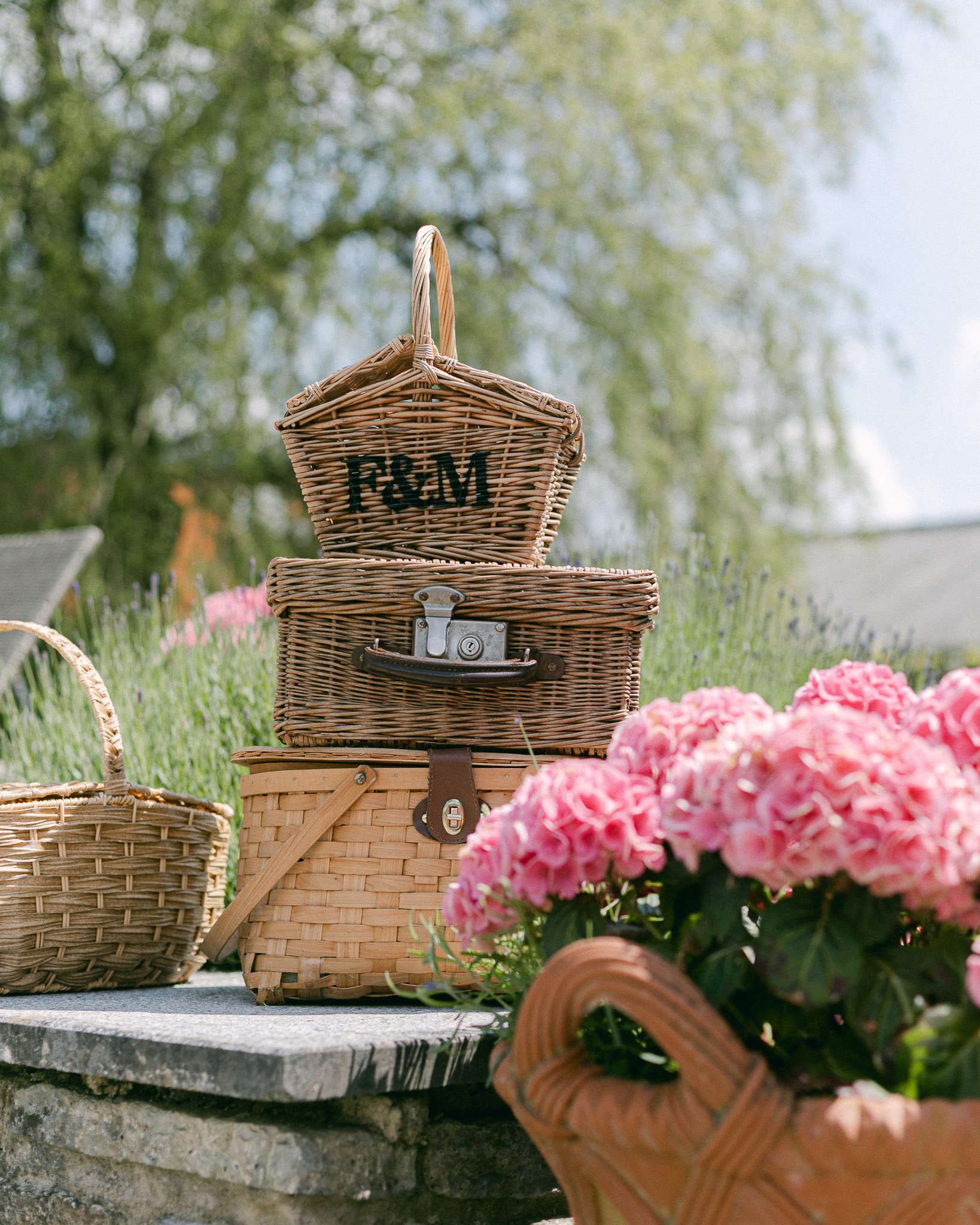
The July Picnic Formula: What May upgraded and June perfected, July simply enjoys.
The asparagus is long gone, replaced by tomatoes warm from the vine and courgettes you're frankly trying to use up. The raspberries are at their peak — eaten by the handful straight from the bush before they even make it into a bowl. The lavender, if you've cut some, makes everything smell faintly, beautifully of itself. The BBQ comes with you if you're staying local — coals, tongs, the whole production — because July is BBQ season at its most committed and unembarrassed.
What to pack — the July basket:
Strawberries, still, for as long as they last
Raspberries, fresh, eaten by the handful before they're even properly packed
Something cold and sparkling — Wimbledon energy, carried through the month
Good bread, Godminster, herbs torn straight from the garden
Tomatoes, warm, eaten like apples if nobody's looking
Ice lollies — non-negotiable, melting within minutes, perfect
A frisbee, a bat and ball, anything that means the children run around until they're tired and happy
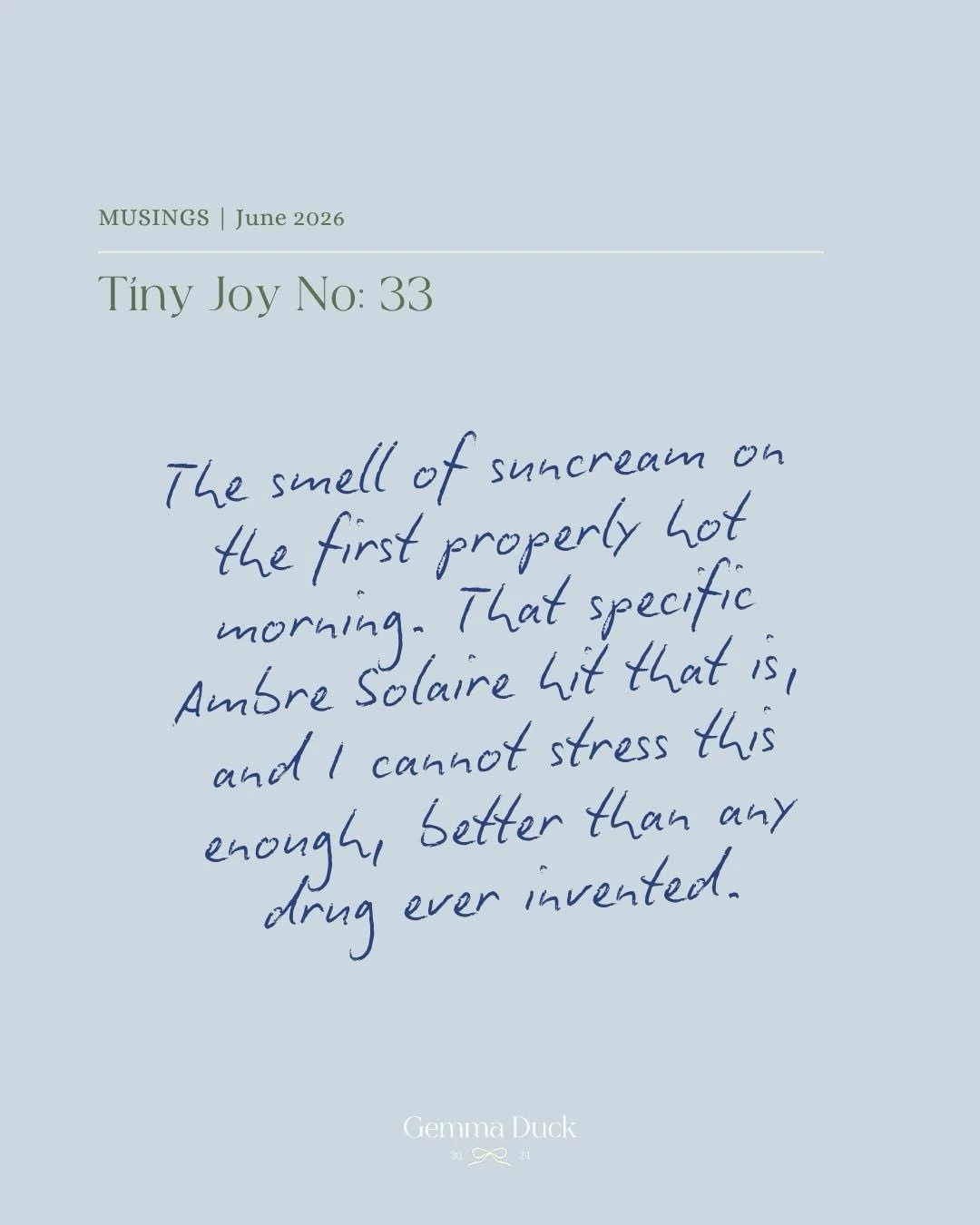
Sunscreen — the orange bottle, the Ambre Solaire hit, the smell of the entire month
A blanket that has given up all pretence and is simply enjoying itself, much like everyone on it
Wimbledon Cream Tea — A Brief Aside
National Cream Tea Day belongs to June, but Somerset doesn't believe in rationing cream teas to a single calendar entry. If you're picnicking with a flask of tea and something scone-shaped this month, the rules remain exactly as established: cream first, then jam. Always. No exceptions, no negotiations, no matter how persuasive the Wimbledon commentary is being about anything else.
Etiquette (as ever, kindly enforced): Leave the field as you found it. Let the dog walkers through. Wave at everyone — July people wave back, slowly, because nobody is in a hurry. And if it rains, which St Swithin's Day has possibly already warned you about, pack up cheerfully and call it a success anyway.
You went. The strawberries were eaten. Somebody got mildly sunburnt and nobody minded.
That is, as ever, always the whole thing.
Cooking with the Seasons
The kitchen has fully surrendered to the garden.
The courgettes are becoming a situation — a beautiful, overwhelming, giving-them-to-every-available-neighbour situation. The tomatoes are warm from the vine and the courgettes are absolutely everywhere and this is not a problem, it is an abundance, and there is a difference.
This is not a month for elaborate cooking. It's a month for getting out of the garden's way.
What to Cook This Month
The First Tomatoes: Warm from the vine, eaten standing up, ideally with a small piece of bread and a faint smear of butter, ideally outdoors, ideally before anyone's noticed you've gone missing from the kitchen. No dressing required. No improvement possible.
Courgettes — Every Conceivable Way: Grilled with olive oil and salt. Roasted with garlic. Grated into a frittata with feta and mint. Sliced thin and folded into a salad. Given, generously and repeatedly, to whichever neighbour answers the door first. There is no shame in the courgette glut. There is only acceptance.
Runner Beans: At their peak now — sliced thin, blanched briefly, dressed with butter and black pepper. The most satisfying job in the July kitchen garden is stringing and slicing a colander of these while something good plays on the radio.
Broad Beans — Last of: Use them up. With mint and feta, on toast with ricotta, or simply podded and eaten standing at the back door, which remains, as established, an entirely acceptable way to eat a broad bean.
Raspberries — Full, Glorious Season: In a bowl, with cream, no further instruction needed. Or folded gently into natural yoghurt with a drizzle of honey. Or eaten directly from the cane, which is less a recipe and more a way of life in July.
Strawberries — The Last Few Weeks: Still going, still local, still warm from the sun if you catch them at the right time of day. Make the most of these final weeks before the season properly turns to soft fruit's second act.
Blackcurrants and Redcurrants: Now is the moment — strip the currants from their stalks (a job best done with a fork and considerable patience) and turn them into jam, or freeze them flat on a tray for winter crumbles you'll be very glad of in February.
The July Salad: Whatever the garden is giving, which by now is most things. Torn herbs in abundance, new potatoes if there are any left, a soft-boiled egg, something peppery, a sharp dressing, eaten outside because eating it indoors in July would be, frankly, a missed opportunity.
The BBQ — Still the Main Event: Courgettes, halved tomatoes, corn, good sausages, asparagus if you're lucky enough to find late stragglers. The BBQ does not take a day off in July. Neither, really, do you want it to.
Lavender in the Kitchen
Cut it before it goes over and put it to good use — lavender shortbread, a spoonful infused into the sugar for July baking, a few sprigs steeped into a jug of something cold for the table. The smell of it drying in a bundle by the kitchen window is July distilled into a single image, and it is worth doing for that alone, recipe or not.
Tiny Somerset Swaps
Local soft fruit from the farm shop — raspberries and currants picked that morning taste like an entirely different fruit to anything from a supermarket punnet. Tomatoes from a neighbour's garden, because somebody nearby always has too many right now and is delighted to be asked. Lavender from a Somerset grower if your own patch isn't quite established yet. The first Somerset apples beginning to appear at the very end of the month — early, small, and entirely worth a taste even though their real moment is still weeks away.
Waste-Not Note
Courgette glut → soup, fritters, frittata, and the aforementioned neighbourly distribution. Raspberry tops and slightly soft berries → a cold water infusion, or blitzed into a quick coulis for ice cream. Broad bean pods → compost, with the usual quiet satisfaction. Herb excess → dried, frozen in oil cubes, or turned into a herb butter that will make every BBQ this month significantly better. The last of the strawberries, finally, properly → jam. The moment has arrived.
This month you’ll find me …
July is the month I stop counting down to summer and start actually living inside it.
The basket genuinely hasn't been put away since Easter Monday, and that's not disorganisation, that's readiness. There's a wedge of Godminster in there that's been replaced more times than I can count, and the good glasses have basically moved into the boot permanently.
Slow afternoons in the garden with the children, the BBQ on — again, still, every evening, because at this point it's less a cooking method and more a personality trait.
Lavender shortbread cooling on the side while I take far too many photos of my children in a lavender field, pretending we just happened to be passing in head-to-toe linen.
Starting to properly plan the summer holidays — not the school ones, the our ones — the actual week away, the lists, the slight scramble of remembering where the beach bags went.
Rosé with friends in the garden, glasses sweating in the heat, the conversation drifting nowhere in particular and taking its time getting there.
Impromptu picnics most days, because once the basket's in the car there's really no excuse not to.
Breakfast outside. Lunch outside. Dinner outside. The kitchen table has been almost entirely ornamental since the 22nd.
The house full of hydrangeas and sweet peas, cut faster than the garden can quite keep up with, which feels like exactly the right problem to have.
At an outdoor cinema with a blanket and a flask of something, half-watching the film, fully watching the swallows still looping overhead in the last of the light.
At the county show — judging the cattle with the confidence of someone who has absolutely no qualifications to do so, eating a Somerset fudge doughnut, completely overstimulated and very happy about it.
Sitting behind a tractor on the lane into the village, in no hurry whatsoever, watching the fields turn gold one field at a time.
Sitting outside long after the children are in bed, the Buck Moon rising somewhere over the hedgerow, doing absolutely nothing, on purpose, properly.
July. The never-ending summer. The slow, golden, completely unhurried middle of the year.
May your hydrangeas overflow, your courgettes find willing neighbours, and your evenings stay light enough that nobody ever quite decides it's time to go inside.
With love, Gemma x
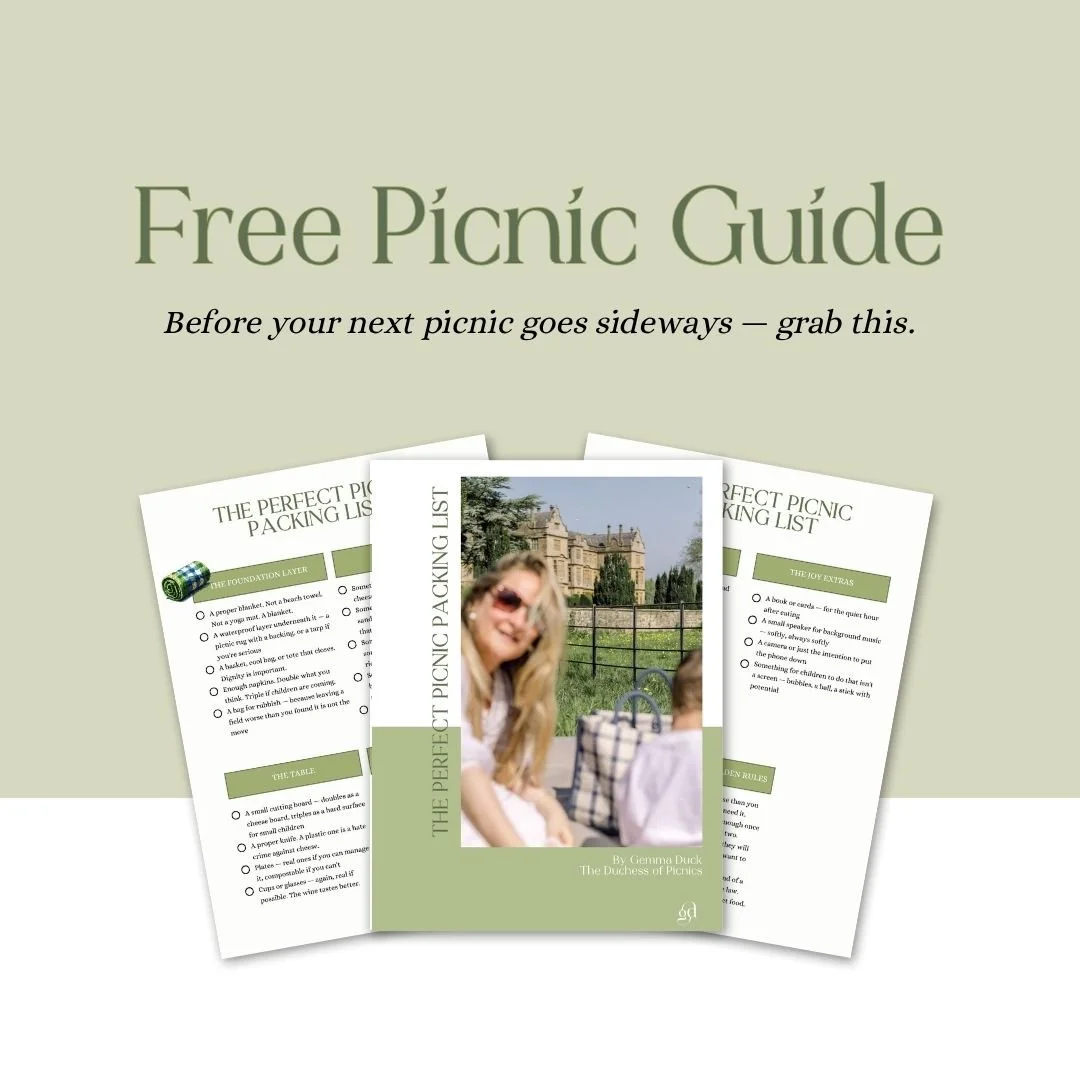
Stay a while …
The Piknic Club
Life is too short for boring picnics.
The Piknic Club is where the blanket-spreading, basket-packing, joy-seeking community lives. Seasonal boxes, curated picks, and the kind of picnic inspiration that makes you want to drop everything and go outside immediately.
Come and be nosey …
The blanket is always out over on Instagram. Behind the scenes Picnicscapes, Somerset life as it actually happens, and the occasional opinion about gingham.