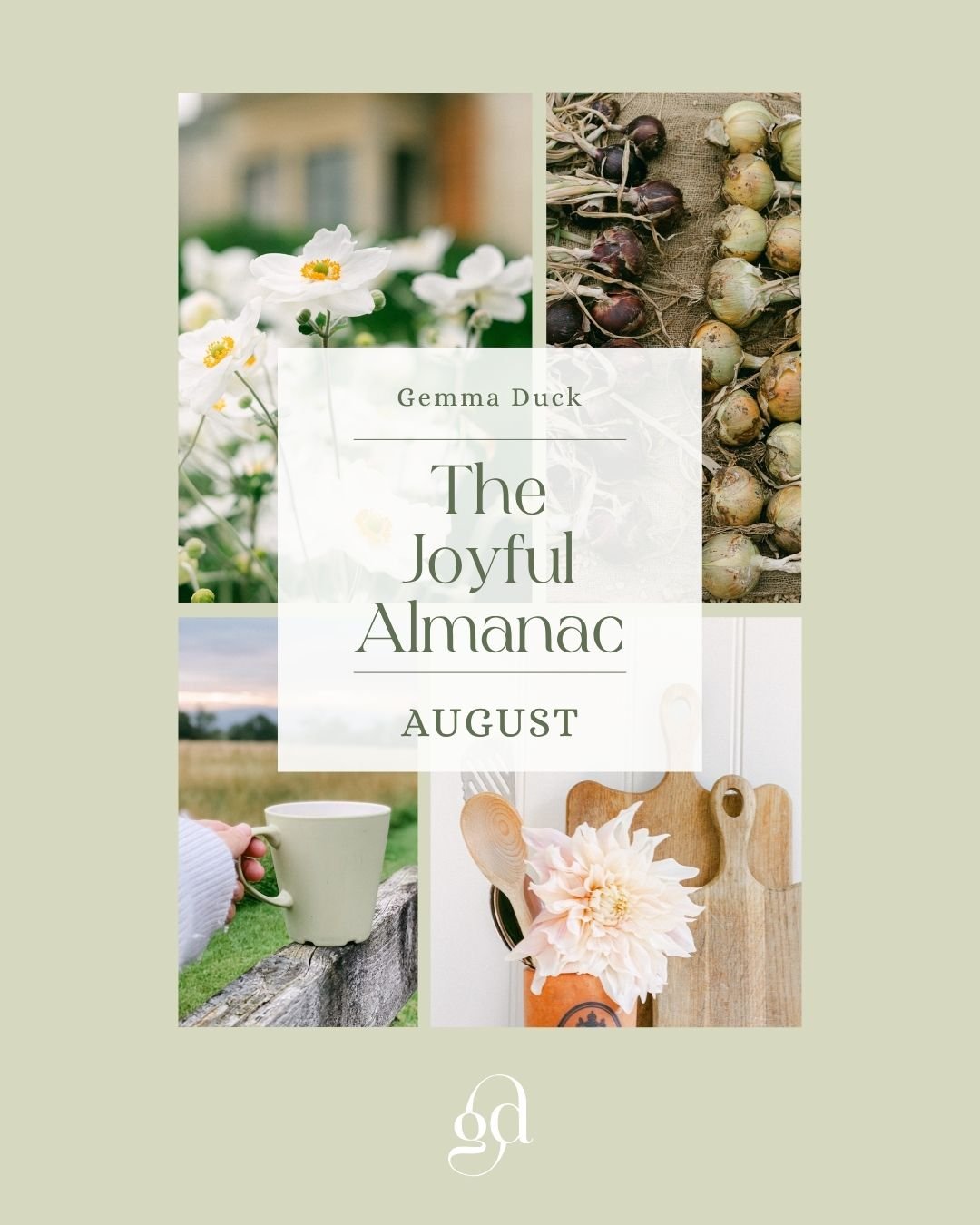
The Joyful Almanac - August
Chapter Eight: The Sunday of Summer
August doesn't announce itself. It just - softens.
The light changes first. Not suddenly, not dramatically, just one morning you step outside and everything is the colour of honey. Not June's bright dazzling clarity, not July's thick gold. Something quieter than both. The particular amber warmth of a month that knows it's the last of its kind, and is taking its time about it.
The fields around Somerset have already been harvested, the golden stubble glowing in the evening sun, dust hanging lazily in the still air as the tractors move from field to field. The house wakes already warm. The curtains barely move.
August borders autumn. That sentence gives me chills every time. Not dread, something more complicated and more beautiful than dread. The feeling of a season turning at its edges, summer softening into something that isn't quite summer anymore, the world handing something extraordinary over to what comes next, graciously, one golden evening at a time.
This is the Sunday of summer. The golden pause. The month that asks nothing of you except that you show up for it, slowly, deliberately, with bare feet and no particular agenda.
"Deep summer is when laziness finds respectability."
Sam Keen knew something. August. Come and do absolutely nothing with me.
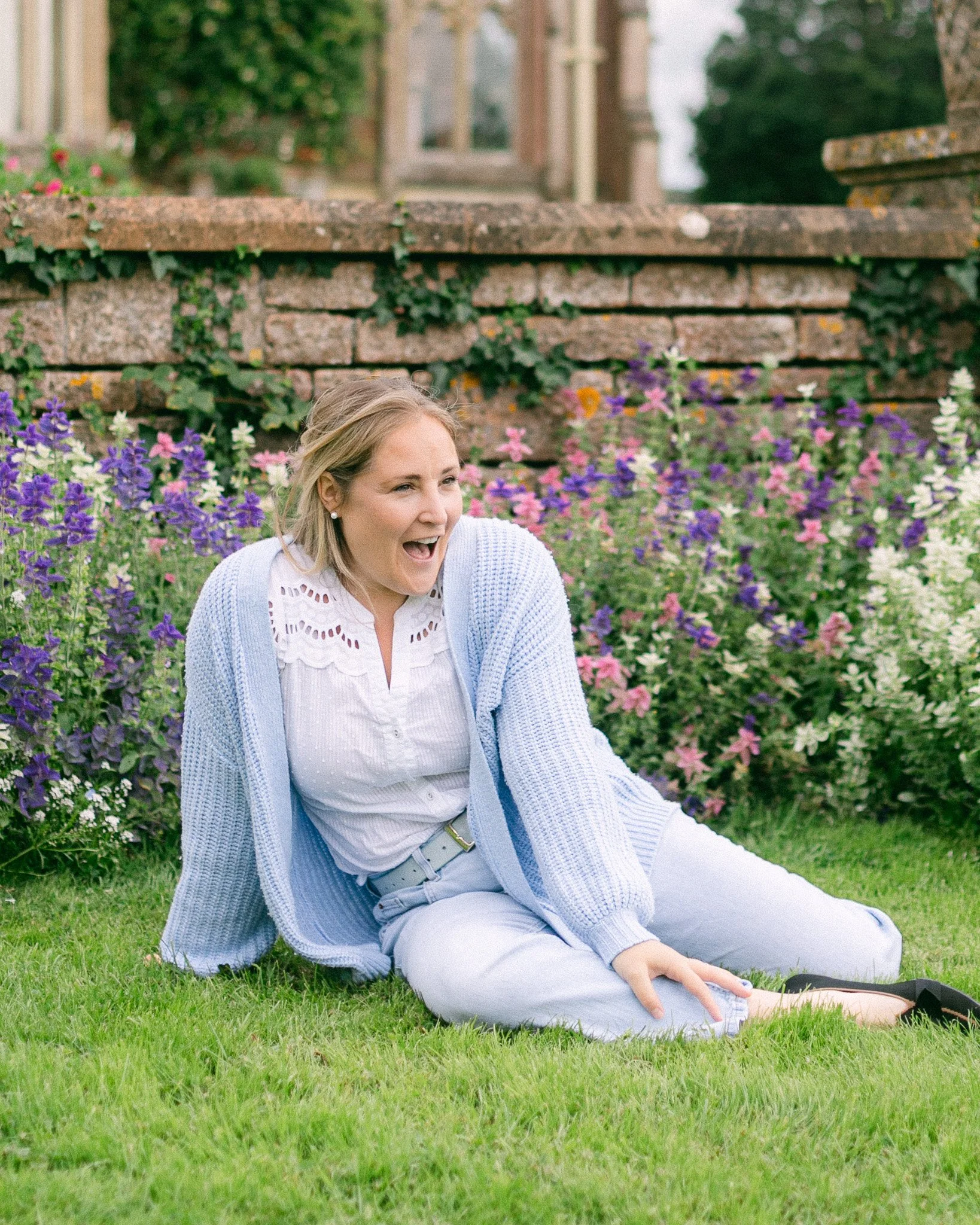
August Snapshot (dates worth a circle)
You don’t need to mark every date — think of these as gentle pins, not instructions. One or two is plenty.
1 August — Lammas / Lughnasadh: The ancient harvest festival — one of the four great Celtic festivals of the year. Hlaf-mas — loaf mass. The first bread baked from the new grain, offered in celebration of the earth beginning to give back what was planted in spring. Bake a loaf today. This has been done on this day for longer than almost anything else in this almanac. The continuity of it is worth something.
10 August — St Lawrence's Day: The feast day of St Lawrence — and the Perseids already building overhead. In old folklore, the meteor shower that follows is known as the tears of St Lawrence falling through the August sky. Watch for the first streaks this week.
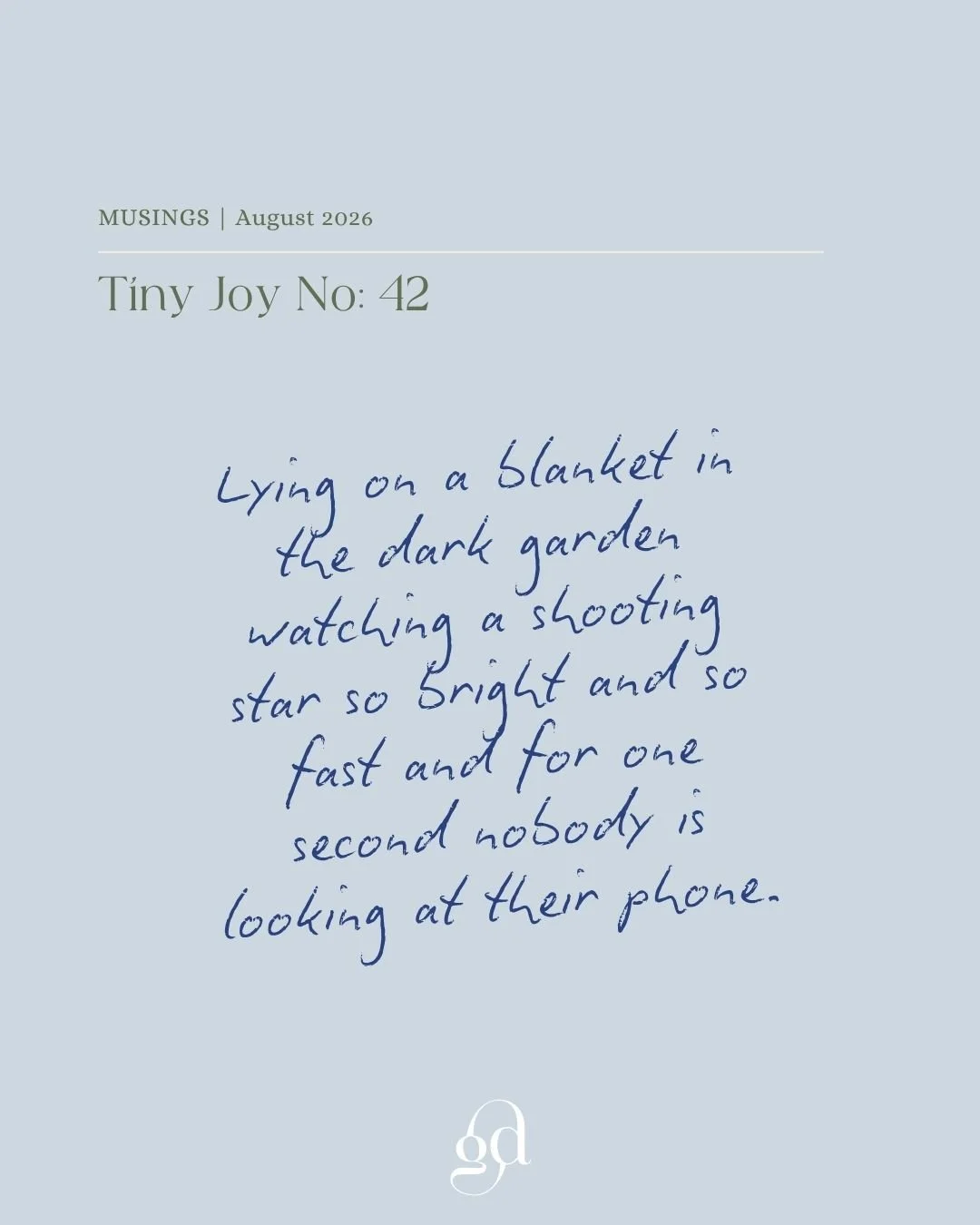
12 August — New Moon / Perseid Peak / Solar Eclipse: The most extraordinary night of the summer sky. Dark moon — perfect conditions — fifty to a hundred meteors per hour at peak. A total solar eclipse crossing Europe on the same day. Go outside. Bring a blanket. Look up. Make wishes. This is the night.
15 August — Assumption of Mary: A major feast day celebrated across Catholic Europe with flowers and processions. The height of the European summer, warmly and beautifully marked.
24 August — St Bartholomew's Day: "All the tears St Swithin can cry, St Bartholomew's mantle wipes them dry." The traditional turning point — the summer rains giving way, the skies clearing. If the 24th of August be fair and clear, then hope for a prosperous autumn that year. Look up on the 24th with hope. It usually delivers.
25 August — August Bank Holiday: The last bank holiday before Christmas. We are not thinking about Christmas. We are thinking about this — the final long weekend of summer, the last hurrah before September arrives with its alarm clocks and its packed lunches. Use every minute of it.
Bank Holiday Weekend — Notting Hill Carnival: The largest street festival in Europe. Colour, music, community, joyful noise. The city's version of August's gathering energy. Magnificent.
27 August evening — Sturgeon Moon rising: Go outside at dusk and watch the Moon rise. It will already be beginning its journey into Earth's shadow. Low, amber, enormous on the horizon. This is one of the most beautiful things August 2026 is quietly offering. Don't miss it.
28 August — Full Sturgeon Moon / Partial Lunar Eclipse, 5:18am BST: Over 90% of the Moon inside Earth's shadow. Worth setting an alarm for — maximum eclipse 5:12am, the Moon setting while still in Earth's shadow
Tisha B'Av: The Jewish day of mourning and reflection — noted with warmth, with care, and with the understanding that August holds many kinds of feeling.
Cousin Camp — August 2026: The very first. A new family tradition beginning. The cousins united, happy summer memories being made on purpose. It is never too late to start something new and it is always exactly the right time.
These are the gentle pins that hold July in place. Choose the ones that feel like yours. Let the others drift past like the last of the summer light — golden, unhurried, and more beautiful for the knowing that it won't last forever.
Summer is softening. That's not an ending. That's the best bit.
〰️
Summer is softening. That's not an ending. That's the best bit. 〰️
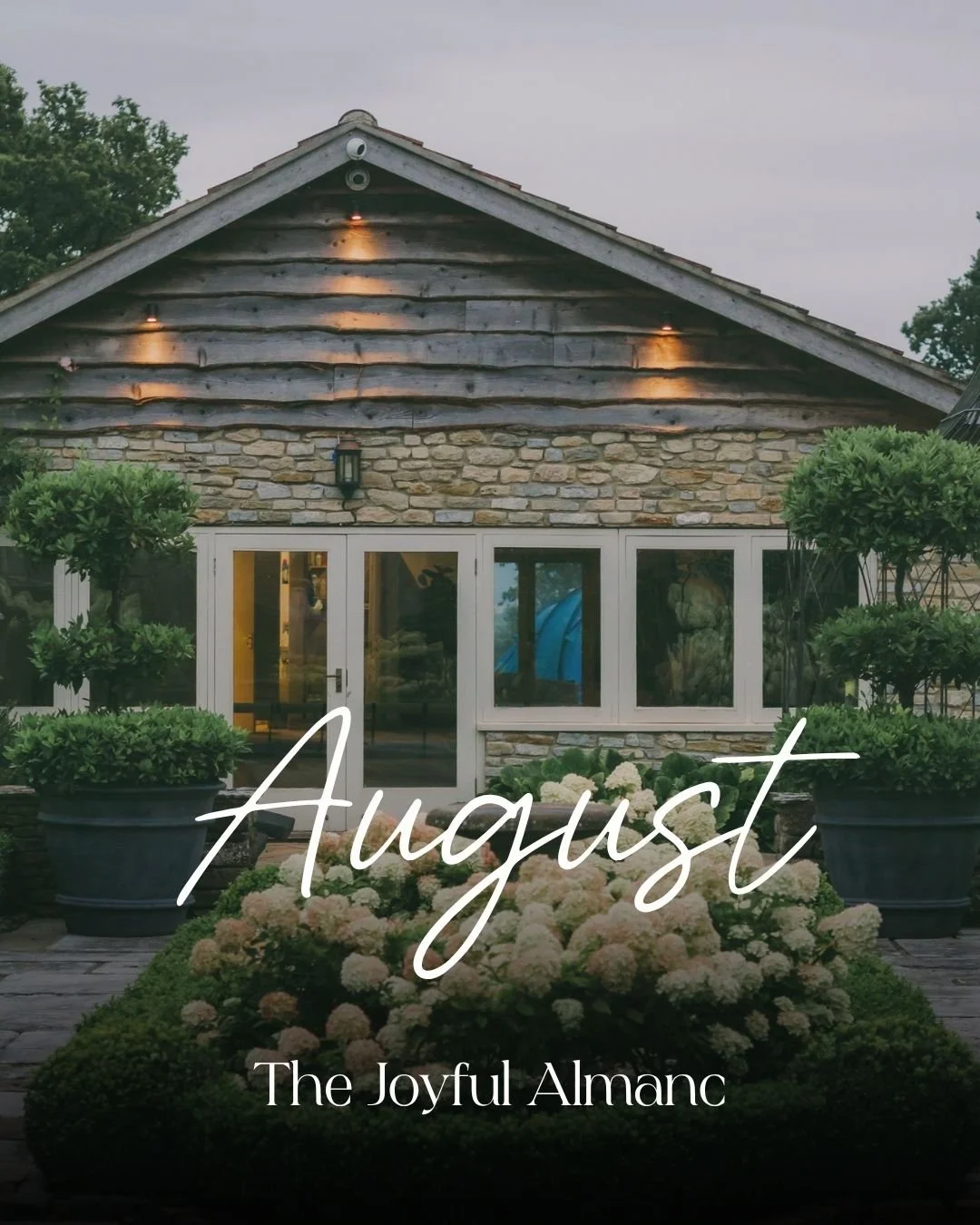
Flora & Feelings
The harvest, the dahlias, the first signs, and the swallows going quiet
August's garden doesn't perform the way June's did or deliver the way July's did.
August's garden gives. Quietly, abundantly, slightly overwhelmingly, with the particular generosity of something that has been building all year and is now, in these last warm weeks, simply handing everything over. Come and take what you need. There is more where that came from. There always is, in August.
The Dahlias — August's Hero Flower
Everything you sowed in spring, staked in June, waited for patiently through all of July, this is it.
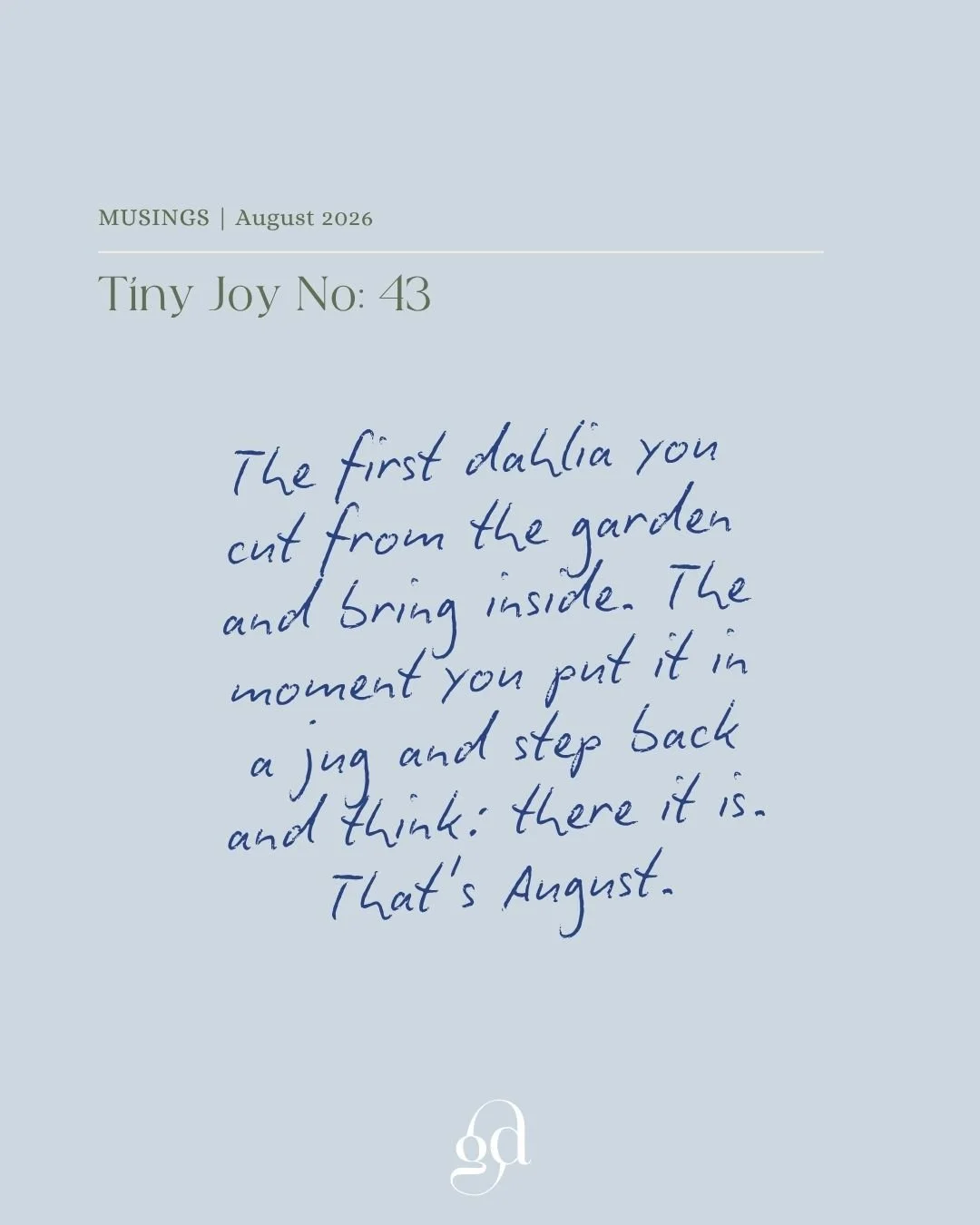
The dahlias at their absolute extraordinary peak, café au lait and deep burgundy and hot coral and pale blush and the spiky architectural cactus heads that look like something from a different planet entirely. The most dramatic, the most generous, the most entirely themselves of all the late summer flowers. The cutting garden's great reward.
I go out every morning with the secateurs and cut more than seems reasonable. The garden makes more the next day. This is the arrangement we have reached, the dahlia and I, and it suits us both perfectly.
They go everywhere, kitchen table, bathroom windowsill, the bedroom because it's August and the rules are different in August. A jug of dahlias on the kitchen table changes everything about a room. A bowl of them on the windowsill in the evening light is one of the most beautiful things I know how to make happen for approximately nothing.
Cut them. More are coming.
The Sunflowers
August's sky flower — and the Somerset sunflower farms in August are one of the specific unrepeatable joyful pilgrimages of the season.
Those extraordinary rows of gold stretching across a Somerset field in the August heat. The particular happiness of standing in the middle of a sunflower field with a small person, both of you slightly overwhelmed by the scale and the colour and the sheer cheerful improbability of it all. The drive home with armfuls on the back seat, their great yellow heads nodding at every corner.
Go this month, before they're over. Take the children. Take someone who needs cheering up. Take yourself on a Tuesday afternoon for no reason except that it's August and the sunflowers are there and some things are worth going to simply because they exist.
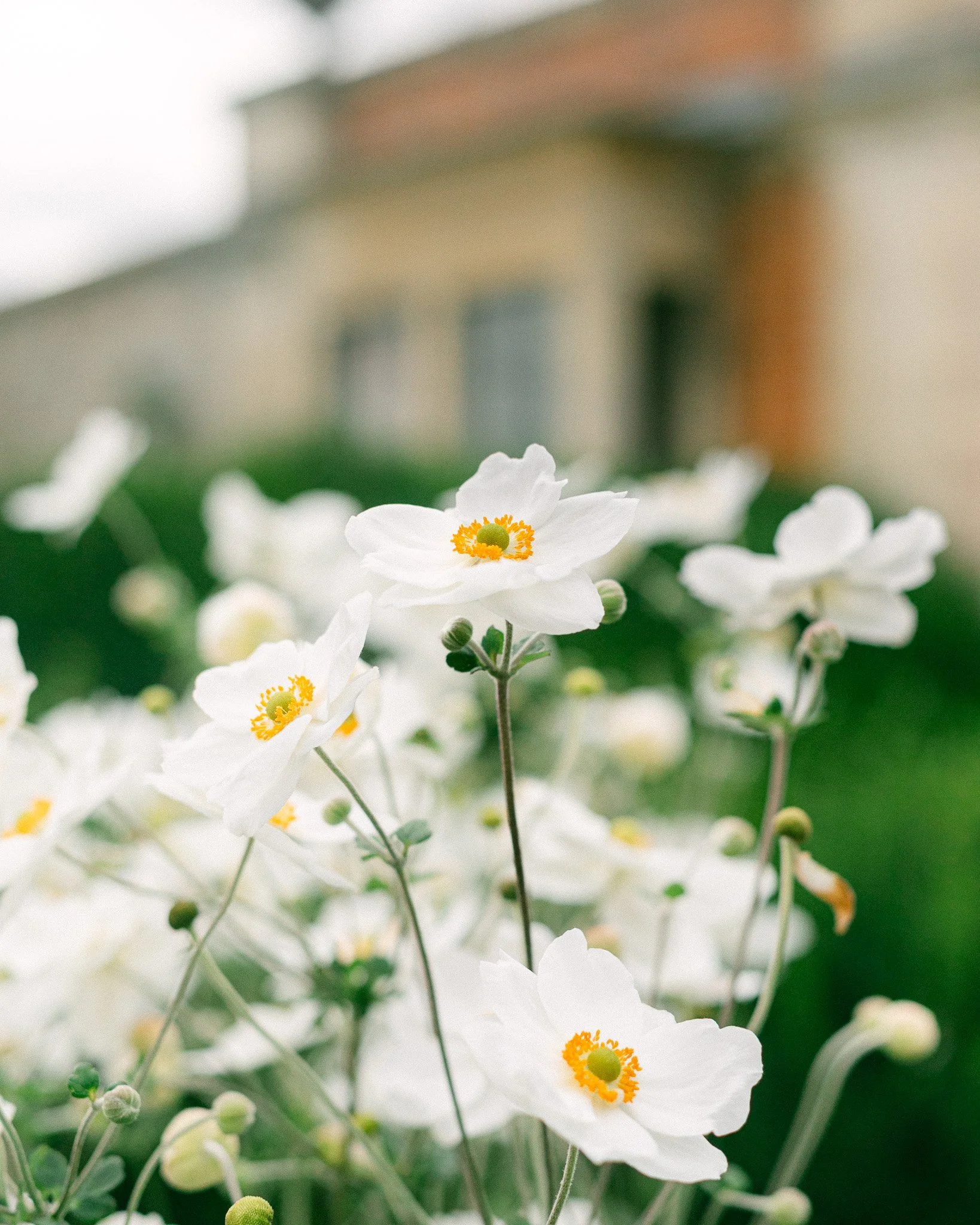
The Garden — Generous and Slightly Spent
The pertness of early summer has entirely faded, and in its place something I love more — the loose, slightly wild, abundantly generous August garden. Things seeding themselves in the corners. The roses on their last flush, quieter now, more considered. The sweet peas finally giving up with good grace. The hydrangea heads turning — those extraordinary papery, complex, deepening colours that are better than the full blooms in their own strange way.
The Japanese anemone beginning — white and pale pink and slightly ethereal, the first flower that feels like it belongs to what comes next. The Michaelmas daisy. The purple cornflower, still. The garden handing summer over one flower at a time, graciously, without fuss.
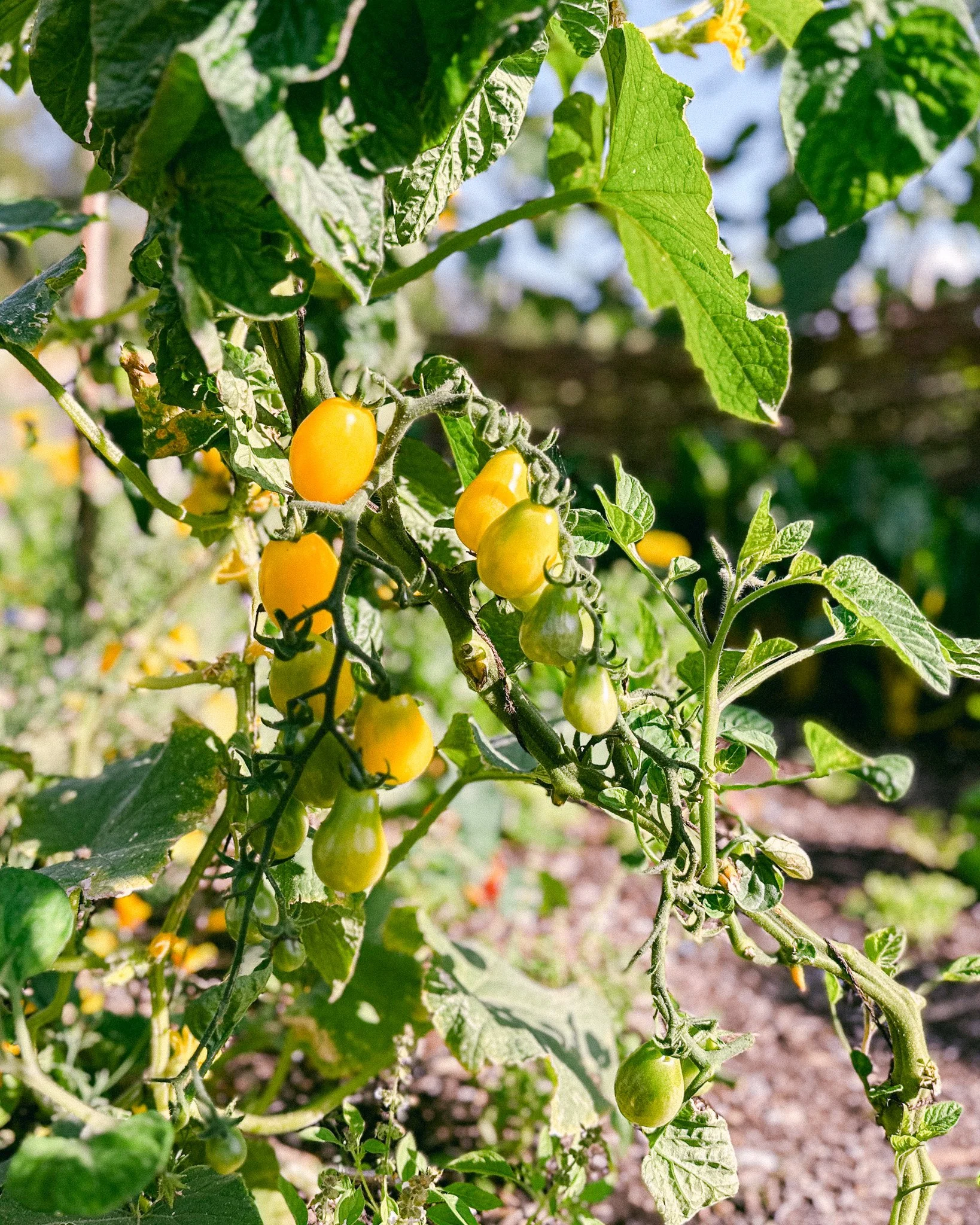
The kitchen garden is a different matter entirely. The kitchen garden is not gracious. The kitchen garden is overwhelming, abundant, slightly chaotic, and giving no signs of stopping. Tomatoes, runner beans, cucumbers, sweetcorn, raspberries — all of it, simultaneously, all at once. The courgette situation has reached its natural philosophical conclusion. We have accepted what we are. We are people who have made peace with the courgette.
The Hedgerow in August
The Somerset hedgerows are doing something extraordinary this month and most people drive past without stopping.
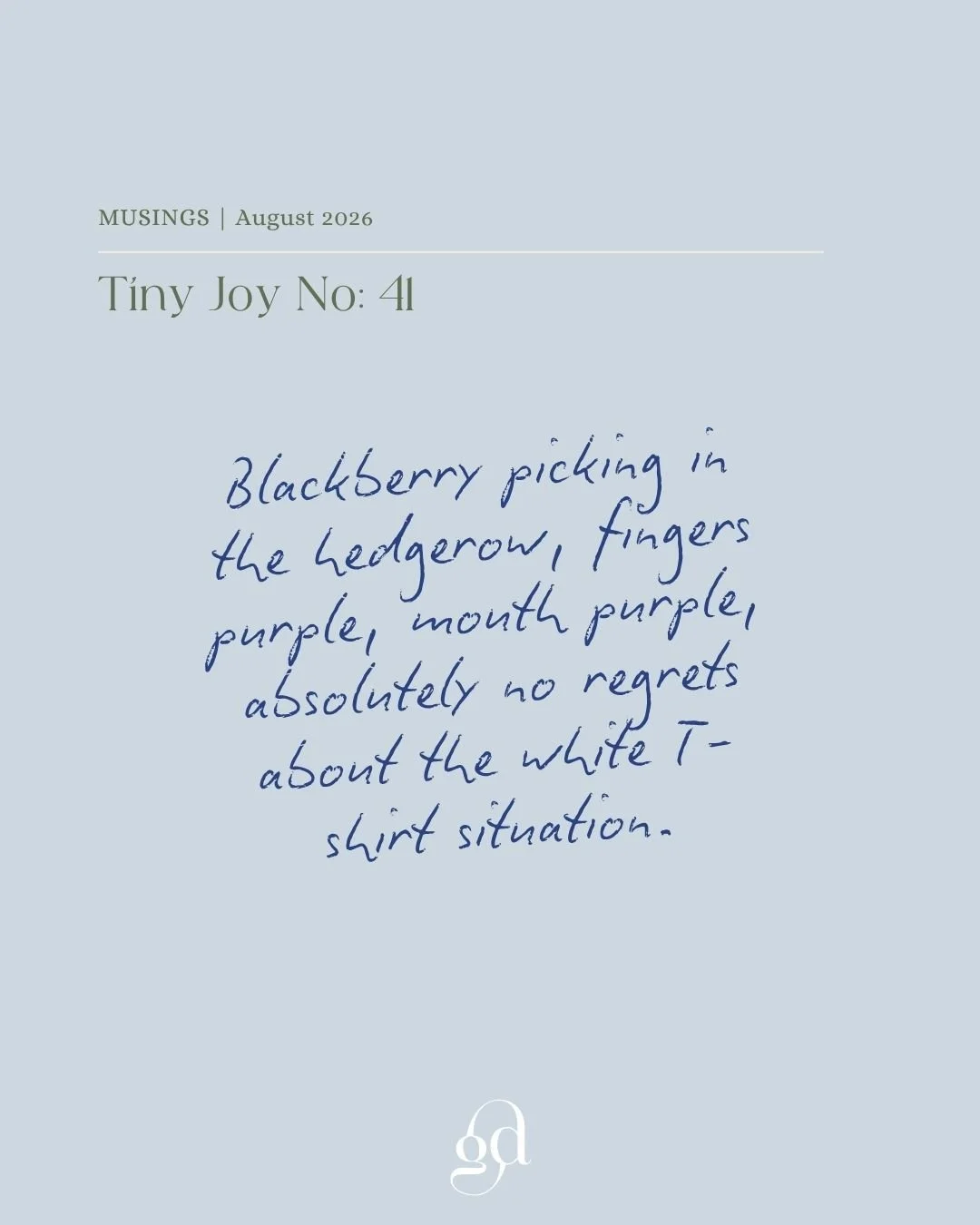
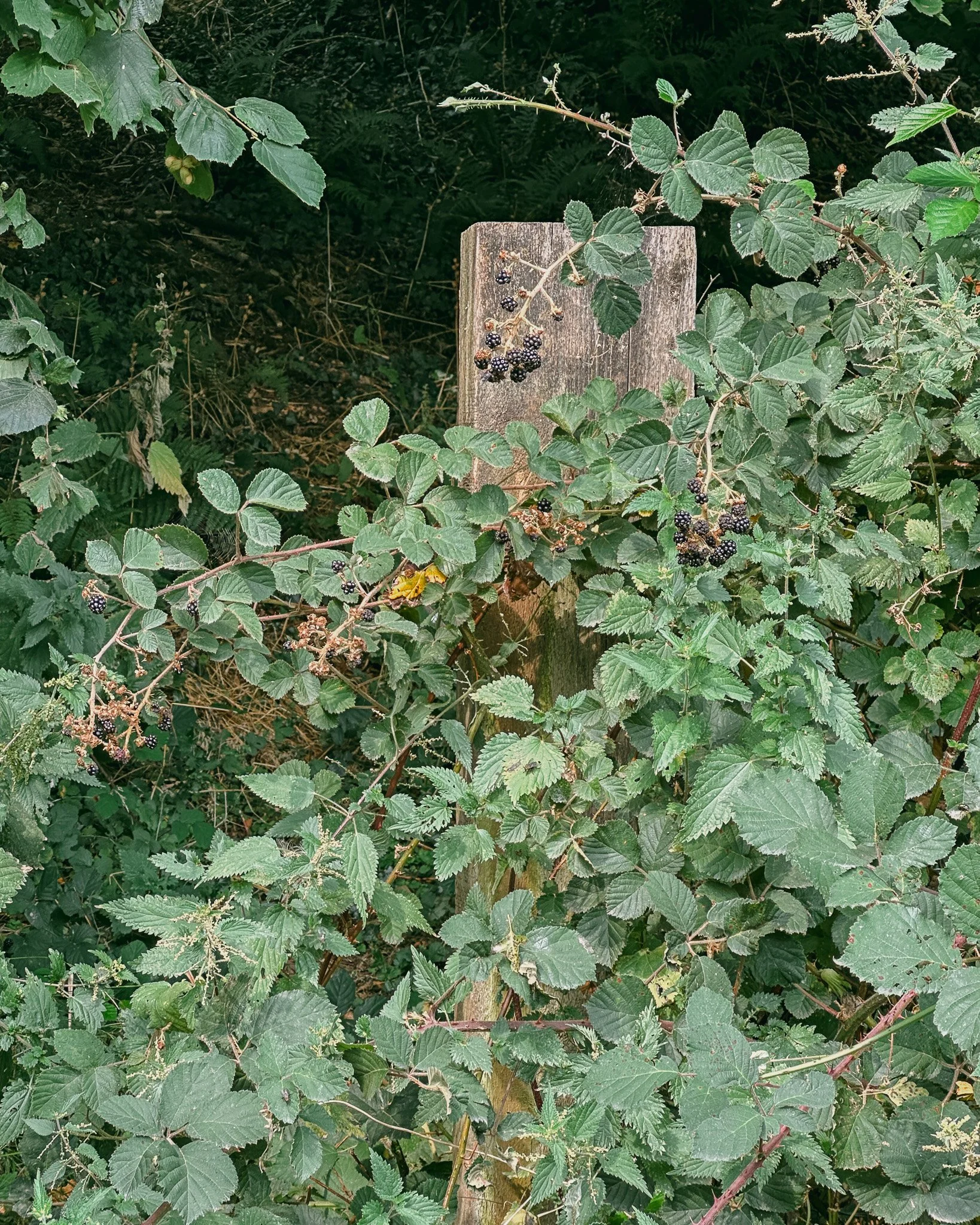
The blackberries are ripe — properly, finger-stainingly, school-uniform-ruiningly ripe. Pick them. Bring a colander. Eat some on the way home. Bring the children if you have them available — fingers purple, mouths purple, white T-shirts immediately and permanently purple. This is the most ancient foraging act in Britain. It has been done in these hedgerows for thousands of years by people who knew exactly what they were doing. So do you.
The damsons deepening from green to dusty purple in the garden and the hedgerow. The rose hips beginning to redden — those small orange-red clusters that will be the hedgerow's great autumn gift, but are beginning now, quietly, at the edges of August. Sneezewort yarrow, white and delicate. Devil's bit scabious — that extraordinary deep blue, the colour of August meadows, one of the most beautiful wildflowers in Somerset and almost nobody mentions it. Heather beginning to purple on the edges of Exmoor — the moors turning, the landscape shifting register in the most spectacular possible way.
The Ancient Meadow — Cut for Hay
A dry late summer day is the perfect time to cut the ancient meadow for hay, and August provides them — long, warm, golden days when the grass is ready and the tractors are busy and the Somerset lanes are full of the particular purposeful harvest traffic that makes everything else slow to its proper speed.
The smell of cut hay in August is one of the most ancient smells in Britain. It has been cut and gathered and stored in these Somerset fields for longer than the almanac, longer than the calendar, longer than almost anything you can name. Stand at a field gate and breathe it in. Feel, briefly, appropriately, part of something much older than yourself.
The fields golden and crisp. The stubble glowing. The harvest in full magnificent swing.
The Insects — Spiking and Completing
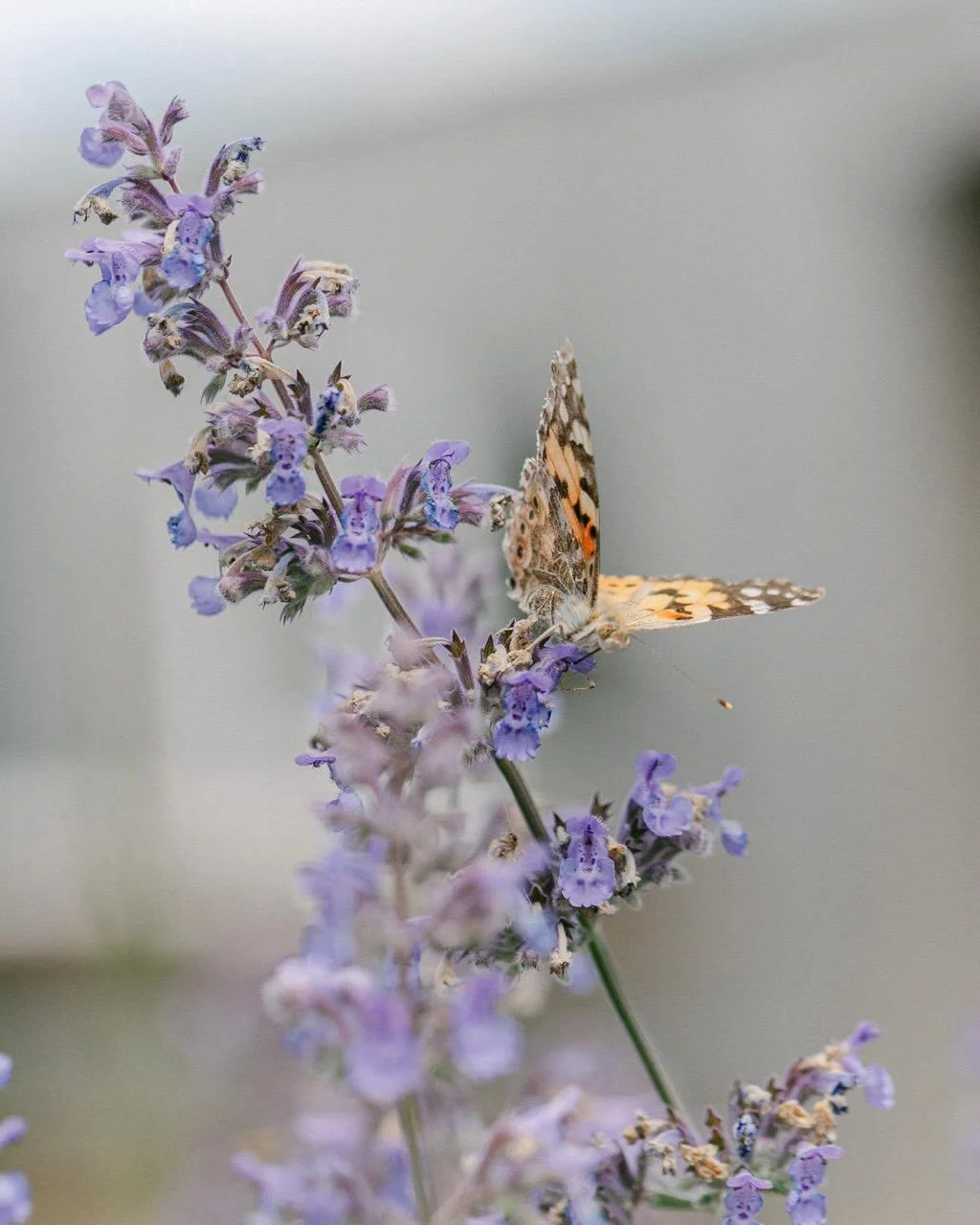
Insect numbers spike in August — grasshoppers everywhere, the dry rasping chorus of a hot afternoon that is the specific sound of late summer, the sound that will come back to you in October unbidden and make you feel something complicated.
The bumblebee queens are producing new queens and males this month — the next generation, the colony's final work of the year. The males mate and then die. The new queens find somewhere sheltered to hibernate. The colony that has been one of the great organisations of the Somerset summer quietly, purposefully, disperses. This is not sad. It is the most efficient life cycle in the natural world. August is its completion.
The Birds — Quieter, Going
The switch in bird diet happens in August — from insects to berries and seeds. The hedgerow beginning to feed the year's young birds. The dawn chorus further dialled back now, quieter again.
And the swallows.
I haven't seen our residents for a few days. I know this moment comes every year. Every August at some point I look up at the wires above the garden and notice the absence before I've noticed I've been looking. The swooping has stopped. The chittering — that relentless, companionable, opinionated commentary that has filled the garden since April — has gone quiet.
I already miss them.
They haven't necessarily left yet — they linger in groups on warm wires in the evenings, gathering, preparing. The instinct building. But the first quiet day is its own announcement: summer has a leaving date, and August is the month you begin to feel it.
Keep watching the wires. They may come back for one last farewell. They sometimes do.
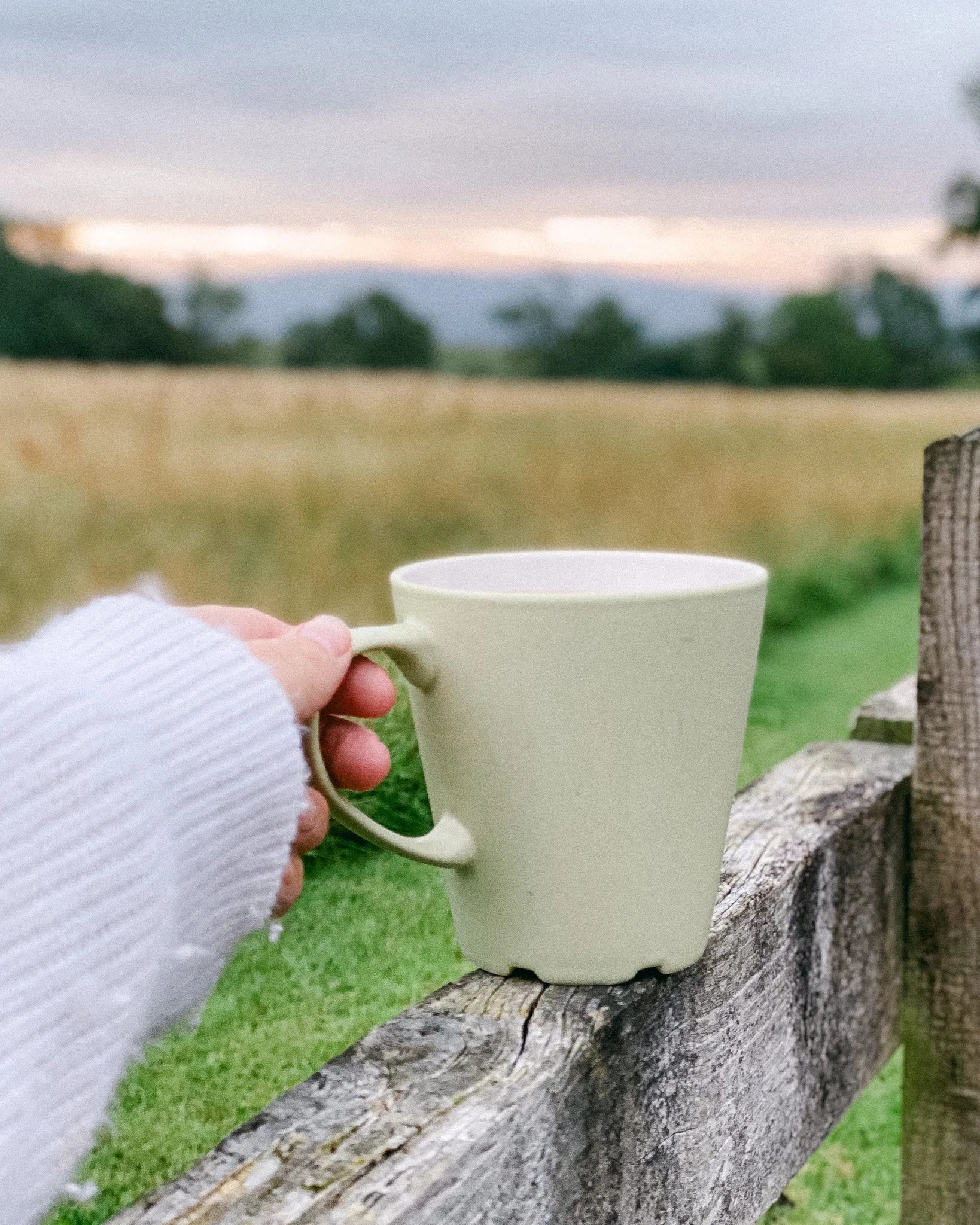
The Sky in August
Dust hanging lazily in the still air. Heat haze over the Somerset Levels. The rivers running lower — the Tone and the Barle slower, the water clearer over the stones. And above it all: August 2026 has the most extraordinary sky of the entire almanac series.
The Perseid meteor shower peaks on the night of 12–13 August under perfect dark-sky conditions — the new moon meaning total darkness, fifty to a hundred meteors per hour, the most reliable and most spectacular summer sky event of the year. And at the end of the month, the Sturgeon Moon rising amber and enormous on the evening of the 27th, carrying with it a deep partial lunar eclipse in the small hours of the 28th.
More on both of these shortly. But mark them now. The sky in August 2026 is not to be missed.
Weather Soul
All the tears St Swithin can cry, St Bartholomew's mantle wipes them dry.
The 24th of August — St Bartholomew's Day — is the traditional turning point. The summer rains giving way. The skies clearing into the particular transparent blue of late summer that is different from any other blue the year offers.
If the 24th of August be fair and clear, then hope for a prosperous autumn that year.
Look up on the 24th with hope. August usually delivers.
The mornings are beginning — just beginning — to arrive with something different in the air. Not cold. Not even cool. But less warm than they were. The first morning you step outside and reach, instinctively, for a layer — not because you need it, not yet, but because something in you already knows — that is August doing its most important and most tender work.
Summer softening. The world preparing. Everything still beautiful, and beginning.
Folklore Focus: Lammas, Augustus & the Tears of St Lawrence
August has been understood, across almost every culture that has inhabited these islands, as a month of gratitude and harvest — of acknowledging what the earth has given and beginning to prepare for what comes next.
The names alone tell the story.
Lammas — The First Loaf
The folklore heart of August. The oldest festival in this almanac series.
1 August — Lammas, from the Anglo-Saxon hlaf-mas: loaf mass. One of the four great Celtic festivals of the year, alongside Imbolc in February, Beltane in May and Samhain in October. On this day, the first bread baked from the new grain harvest was brought to the church as an offering — the earth beginning to give back what was planted in spring, acknowledged, celebrated, shared.
This is where August's soul lives. Not in the bank holiday weekend or the summer festivals or the last hurrah of the school holidays — though all of those are good and worth celebrating — but here, in this ancient understanding: the season of abundance has begun, and abundance is something to notice, to be grateful for, to share.
Bake bread on the 1st of August. By hand, from scratch — the proving, the shaping, the particular extraordinary smell of bread in an oven on a warm summer morning. It doesn't have to be from freshly harvested grain. It just has to be made with intention, on this day, because people have been doing this on this day for longer than almost anything else you can name. Eat it warm. Share it with someone. That is the whole ceremony.
Augustus — The Month That Named Itself
August received its name from the Emperor Augustus — not his birth month, but the month in which his greatest good fortune happened to him. A month of victory, of luck, of things going magnificently well. And since July had 31 days and August only 30, it was considered necessary to add another day to August so it would not be inferior to Julius.
The audacity of two emperors, two thousand years ago, rearranging the calendar for personal brand reasons.
We're still living with the consequences. We should probably be more annoyed about this. Instead, we have August — and August, whatever its origins, has become something the emperors couldn't have planned: the most reflective, the most generous, the most golden and quietly beautiful month of the year. Augustus would be thrilled. He had excellent taste in months.
The Tears of St Lawrence
St Lawrence's feast day falls on 10 August — and the Perseid meteor shower, which peaks around 12–13 August, has been known in folklore for centuries as the tears of St Lawrence, falling through the August sky in the days around his feast.
St Lawrence was a deacon and martyr of the early church — a man of such extraordinary composure in the face of his death that, according to legend, he managed to make a joke about it. He is the patron saint of comedians, of librarians, and of the August sky. His memorial is fifty to a hundred shooting stars per hour under a perfect dark new moon.
The Perseids are fragments of Halley's comet — debris left in the comet's orbit, burning briefly and brilliantly through the atmosphere as Earth passes through each August, reliably, every year, as it has been doing since before any of the names we've given it existed.
The tears of St Lawrence. What a way to be remembered.
Lie on a blanket on the night of the 12th. Count the wishes.
The Wyrt Moon
The Anglo-Saxon name for August's full moon — the Wyrt Moon. The herb moon. The month when herbs were believed to be at their most potent before the harvest — gathered and dried and stored for winter medicines and winter cooking and winter comfort.
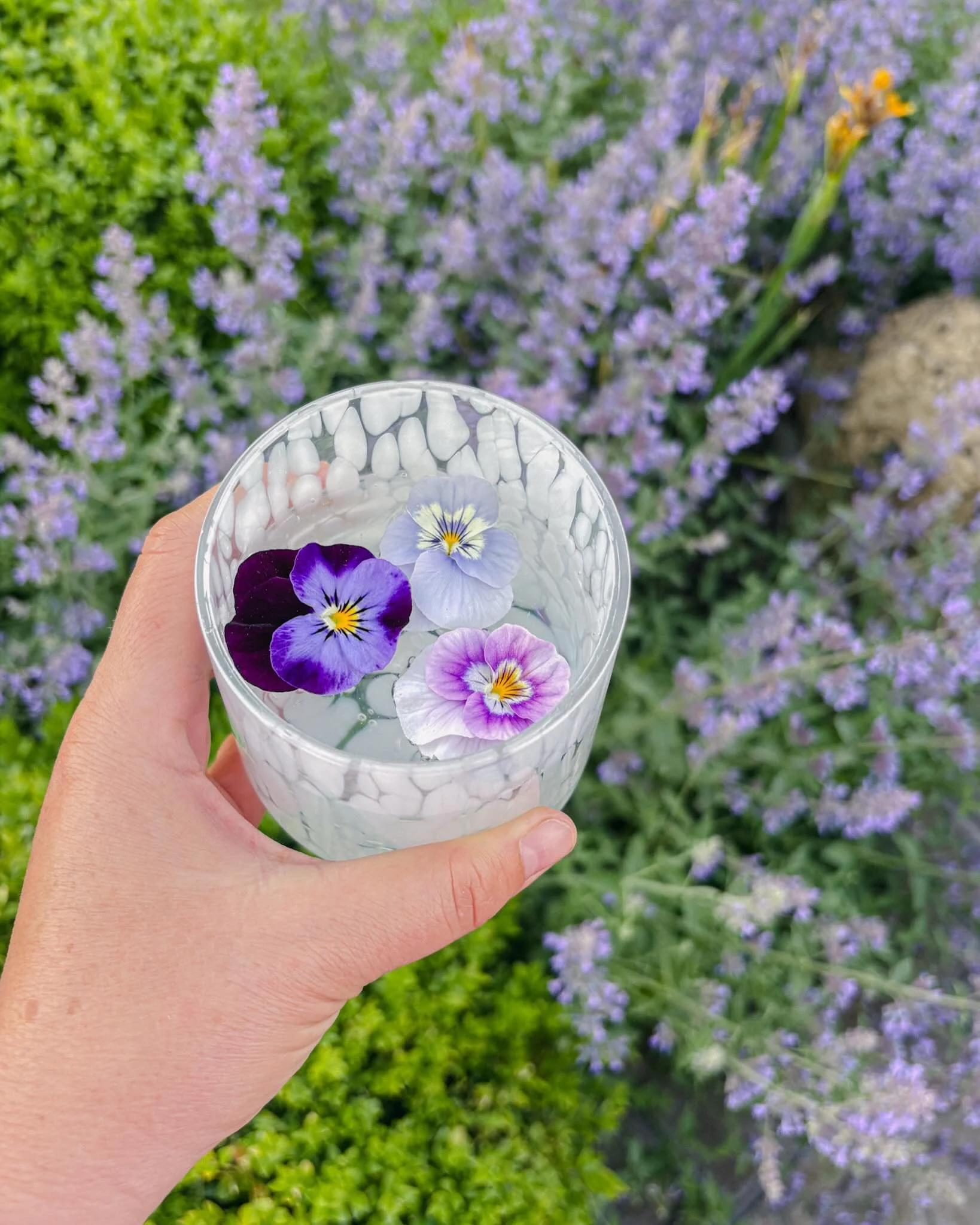
The lavender cut and drying in the kitchen. The rosemary and thyme at their most fragrant in the late summer heat. The meadowsweet going over but still findable in the damp lane edges. The herb garden in August is doing something so quietly valuable that it barely announces itself — but lean into any of it and the smell catches you, and you think: I should do more with this. And you should. August is the month.
Wyrt Moon. Rising amber over a Somerset herb garden. Which is to say: right.
St Bartholomew's Day — 24 August
The patron saint of tanners and the weather. His feast day carries one of the most satisfying weather rhymes in the English tradition:
All the tears St Swithin can cry, St Bartholomew's mantle wipes them dry.
The summer rains ending. The skies clearing. August turning its corner towards the clear cool beauty of early autumn. And the companion proverb — if the 24th of August be fair and clear, then hope for a prosperous autumn that year — one of the most optimistic sentences in the entire British weather folklore tradition, which is, let's be honest, not a genre known for optimism.
Look up on the 24th. Feel the hope. You've earned it.
The Bumblebee Colony — August's Completion
The bumblebee queen has spent the entire summer producing workers — the small, tireless, essential creatures that have been on the lavender and the buddleia and the dahlias from dawn since May. In August, she produces something else: new queens and males. The next generation.
The males mate, and then die. The new queens find somewhere sheltered — a mouse hole, a gap in a wall, a sheltered bank — and hibernate. The colony, which has been one of the great quiet organisations of the Somerset summer, disperses.
The bees you see on the August flowers are living their last weeks of work. This is not sad. This is purposeful, complete, exactly as intended. The most efficient life cycle in the natural world, finishing its year in the Somerset garden in August, on the dahlias, in the lavender, doing the essential thing right to the very end.
Note it. Be grateful. Plant more lavender next spring.
Everything is the colour of honey. Don't rush through it.
〰️
Everything is the colour of honey. Don't rush through it. 〰️
Moon Moment: The Sturgeon Moon
Full Moon in Aquarius — The Sturgeon Moon
(Friday 28 August 2026 at 5:18am BST)
With a deep partial lunar eclipse — over 90% coverage — visible from the UK
This is the headline sky event of the summer. Of the almanac series. Possibly of the year.
Let me tell you what is going to happen.
On the evening of Thursday 27th August, the Sturgeon Moon will rise over the Somerset hills — amber, enormous, lower on the horizon than you expect, the colour of something warm and ancient that doesn't quite have a name but is unmistakably late summer. Go outside at dusk and watch it rise. Take something to drink. Take someone you love, or go alone. This is worth stopping for.
Then — in the small hours of Friday 28th — something extraordinary happens.
Earth's shadow begins to cross the Moon at 3:33am BST. Slowly, deliberately, the shadow moves across the lunar surface — darkening it, reddening it, turning the full bright disc into something more complex and more dramatic and more beautiful. By 5:12am, maximum eclipse, over 90% of the Moon is inside Earth's shadow. Not total — but nearly. The Moon dark on one side, reddened, hanging in the last darkness before the August dawn.
Then the Moon sets — at around 6:15am — while still partially eclipsed. Still partially in the shadow. The eclipse ending not with a clear sky but with the Moon dropping below the horizon, still transformed, into the Somerset hills.
Set an alarm. This is one of those nights.
The Sturgeon Moon is named for the great freshwater sturgeon of the North American lakes, most abundant under this late summer moon. But it has other names — older, closer names: the Grain Moon, the Green Corn Moon, the Red Moon, and the Wyrt Moon of the Anglo-Saxons — the herb moon, the harvest moon, the moon of things reaching their fullest, most potent point before the turn.
This full moon rises in Aquarius — the sign of community, of collective joy, of the gathering of people around shared experience. Which feels, for the last days of August — cousin camp, the bank holiday, the final evenings of the school holidays, the summer trying to hold itself open just a little longer — exactly right.
Aquarius understands what August keeps demonstrating: that the best moments of the year are not solo achievements. They are the evenings nobody planned to stay so long. The gatherings that happened because someone suggested it and everyone said yes. The cousin camp. The picnic that became a whole afternoon. The blanket on the lawn under the shooting stars with whoever was nearby and willing.
Connection. Still and always the thing.
The Sturgeon Moon Ritual
(for the slightly sleep-deprived and the completely willing)
Two options this year, because August 2026 is giving us two chances:
Option One — the evening of Thursday 27th, at dusk:
Take yourself outside as the sun sets. The Sturgeon Moon will be rising in the southeast — amber, warm, enormous. Watch it clear the horizon. Five minutes. That's all it takes. The first few minutes of a full moon rising are one of the most extraordinary free things available to a human being and almost nobody makes time for it.
Bring strawberries if there are any left — the last of the season, warm and sweet and entirely August. Something sparkling. Whoever is nearby. Let the last full month of summer close the way it deserves: slowly, outside, with the Moon rising golden over the Somerset fields.
Option Two — 4am on Friday 28th, with an alarm and a flask:
Set the alarm. Make tea or coffee the night before and leave it in a flask. Go outside in the dark — 4am, the August night at its warmest and most still — and watch the eclipse.
The Moon will already be in Earth's shadow. Already darkened on one side, reddened, hanging in the western sky. Watch it reach maximum at 5:12am. Then watch it set — still eclipsed, still partially dark — behind the Somerset hills as the August dawn begins to arrive.
This is a once-in-several-years sky event. Your children will remember it if you wake them. You will remember it either way.
The Sturgeon Moon asks not what you planned this summer, but what you noticed. What you held. What, in the end, mattered most.
The answer, if August has done its work, is everything right outside your door.
New Moon Note
Wednesday 12 August — The Night of the Perseids
The darkest night of August falls, this year, on one of the most extraordinary nights of the astronomical calendar.
The new moon on 12 August coincides exactly with the peak of the Perseid meteor shower — meaning the skies will be as dark as they get, the Moon offering no competition whatsoever, the conditions for watching shooting stars as perfect as the year allows. NASA records fifty to a hundred meteors per hour at Perseid peak in good conditions. This year, the conditions are perfect.
Also happening on 12 August: a total solar eclipse crossing Spain, Iceland and parts of northern Europe — not totality from Somerset, but the sky doing something significant, the Moon crossing the Sun, on the same day it goes dark at night. August 2026 is an extraordinary month to look up.
The Perseids are fragments of Halley's comet — debris left in the comet's orbital trail, burning through the atmosphere each August as Earth passes through. They have been watched and wished upon and named and renamed for centuries. In old folklore they are the tears of St Lawrence, falling through the sky in the days around his feast on the 10th. In childhood they are the most reliable magic available — you go outside in the dark, you look up, and the sky does something extraordinary.
This is still true. It is always still true.
The Perseid Ritual:
Go outside on the night of the 12th — or the 11th or 13th, the shower is strong for several nights around the peak. Go somewhere as dark as you can find, which in Somerset is not difficult — a field, a garden away from street lights, a hillside with a view of the sky.
Bring a blanket. Lie on your back. Let your eyes adjust — five minutes of darkness and you'll see far more than you expected. Look up and slightly to the northeast where the shower appears to radiate from, though meteors will appear across the whole sky.
Count the shooting stars. Make the wishes. Wake the children if they're willing — this is the kind of night that becomes a memory without you even trying.
"The tears of St Lawrence falling through the August sky."
What a way to spend an August evening.
The Joy Edit
Six invitations for August
Ritual — La Dolce Far Niente: Do nothing. Properly, deliberately, unapologetically nothing. Not scrolling-nothing. Not planning-nothing. Actual nothing — sitting in the garden with something cold, watching the dahlias move in whatever breeze there is, letting the grasshoppers do their dry chorus, letting time pass without accounting for it. The sweetness of doing nothing is August's greatest gift. Receive it without guilt. The research on psychological restoration is unambiguous: unstructured outdoor time is one of the most powerful restoratives available to a human being. You are not being lazy. You are being August.
Nature — Pick Blackberries: Find a Somerset hedgerow with blackberries ripe enough to stain your fingers and pick enough for a crumble. Eat some on the way home. Bring the children — fingers purple, mouths purple, white T-shirts immediately and forever purple. This is the most ancient foraging act in Britain. It has been done in these hedgerows since before anyone was writing anything down. You don't need a recipe or a plan. You just need a colander and a hedge and August.
Make — The Herb Harvest: Before the season turns, cut what the garden is offering. Lavender in bundles. Rosemary and thyme stripped and dried. Basil into pesto while it's still magnificent. The Wyrt Moon is rising and the herbs are at their most potent. A few hours, a dry afternoon, something that lasts all winter and will smell, in January, like this exact August.
Sky — The Perseids, 12–13 August: The night of 12–13 August. Go outside. The most reliable meteor shower of the year under perfect dark skies. Make wishes. Wake the children if they're willing.
Gather — Start a New Tradition: August is the last full month of summer freedom before September arrives. Create something deliberate with it — a cousin camp, a family gathering, a long weekend with people you love. Use this last full month of summer freedom to create something worth remembering It is never too late to start something new and it is always, always exactly the right time.
Notice — The First Signs: A rusty fern. A fallen leaf caught in the garden. The dusk arriving a few minutes earlier than yesterday. The rose hips beginning to redden in the hedgerow. The swallows on the wire. August asks you to look carefully at the edges of summer, because that is where the most tender and most extraordinary things are happening. Don't rush through them. They won't come again until next year.
Joy Reminder — stick this somewhere obvious: La dolce far niente. The sweetness of doing nothing. This is not laziness. This is August doing exactly what August is for.
Picnic, But Make It August: The last lazy afternoons
August's picnic has no agenda.
May's picnic was abundant, June's was authority, July's was ease. August's picnic is something different from all of them.
August's picnic is memory in the making.
Nothing planned. As many lazy afternoons as possible. The blanket permanently on the grass. The basket never properly unpacked — it has been in the boot of the car since Easter Monday and that feels less like disorganisation and more like a philosophy.
If we don't make it out to a field, we eat outside anyway — breakfast at the garden table, lunch on the blanket, dinner outside because it's still warm enough and still light enough and we are not eating indoors in August unless we absolutely have to, which we don't, which means we won't.
The August Bank Holiday Picnic
The last long weekend of summer. The final hurrah before September.
Go somewhere you haven't been this summer — a Somerset hill you've been meaning to climb, a river bank you walked once years ago and haven't been back to, a field at the end of a footpath that's been on the list since April. This is the picnic with slightly too much food and children who run further than they should and come back only when they're hungry. The one where someone packed a jumper just in case and everyone mocked them and by 6pm everyone was wearing it.
This is always the best kind.
The Sunflower Farm
Not a picnic in the traditional sense. But a day out with a blanket and a flask and armfuls of sunflowers brought home on the back seat — close enough.
The Somerset sunflower farms in August are one of the specific, unrepeatable, almost absurdly joyful pilgrimages of the season. Those rows of gold. The scale of it. The happiness that is simply unavoidable when you're standing in a field full of sunflowers in the August heat with someone you love.
Go. Before they're over. Take the children. Take a camera. Bring home far too many.
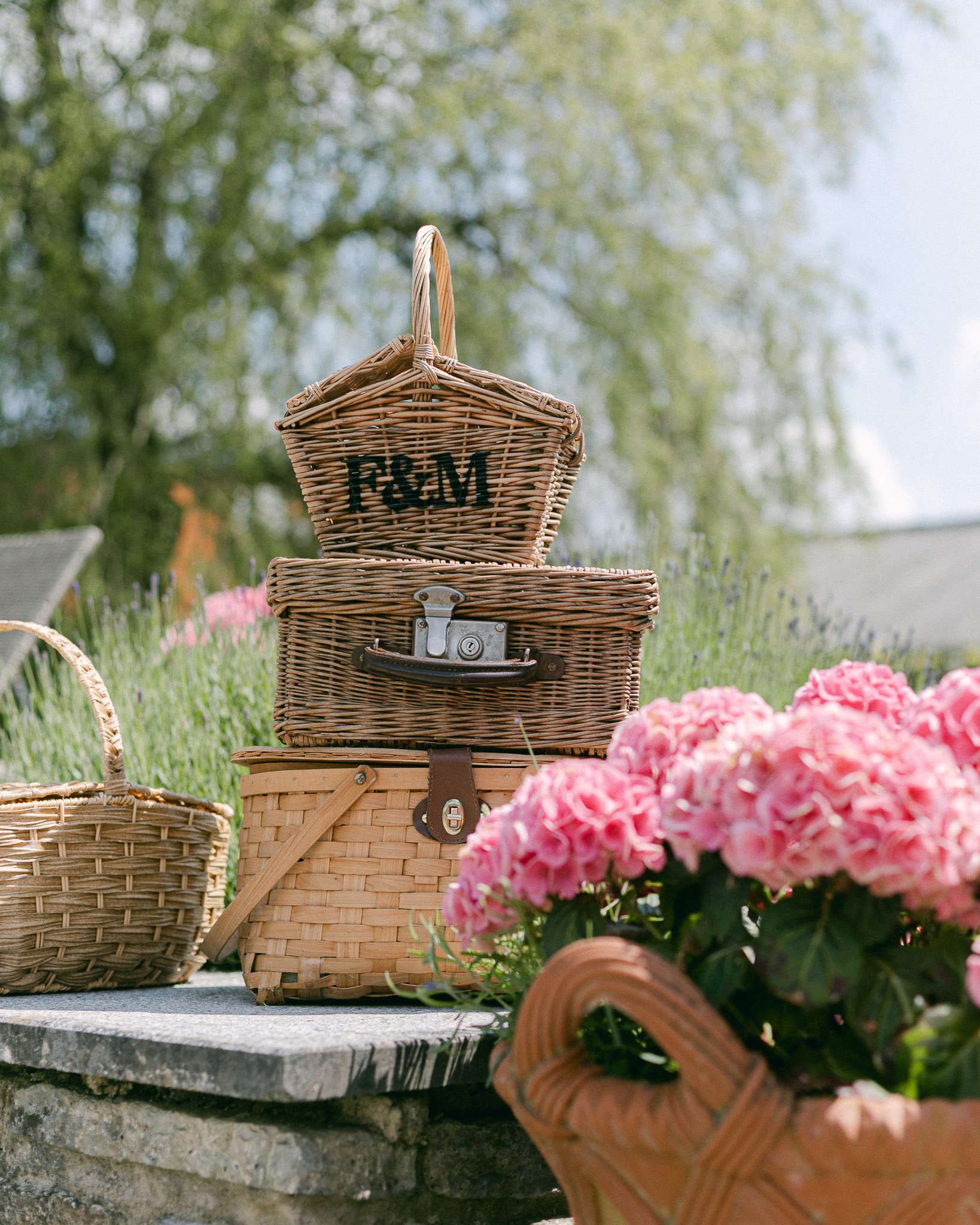
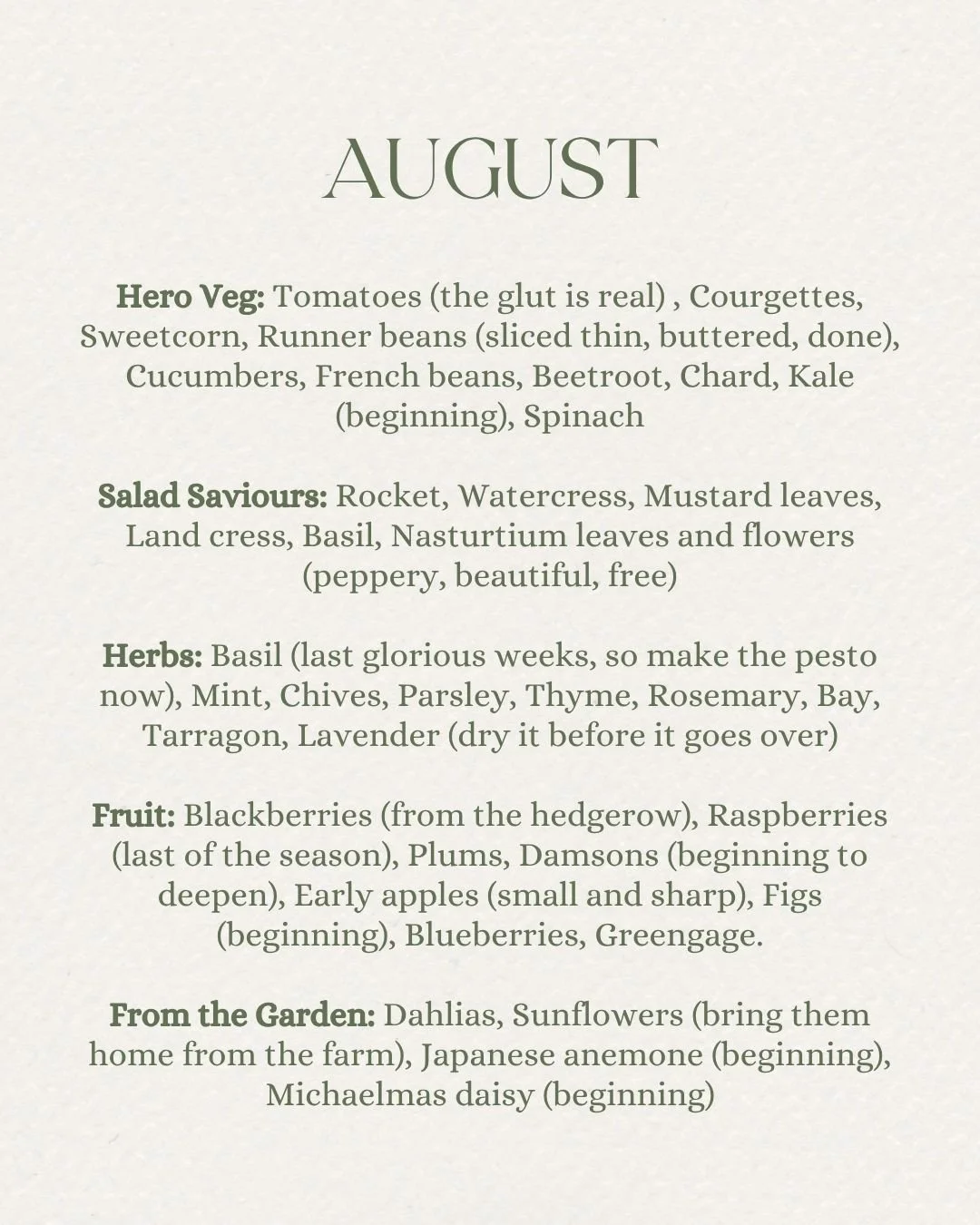
The August Picnic Formula: The Jersey Royals are a memory and July's pristine abundance has tipped into August's beautiful surplus, tomatoes warm from the vine, raspberries in their last gorgeous weeks, the first blackberries from the hedgerow, the early apples beginning at the farm shop.
What to pack — the August basket:
Tomatoes, warm, eaten in the field like apples
Blackberries if you've picked them — in a jar, in a bag, eaten by the handful
Raspberries — the very last of the season
Something with the first apples — a cake brought in a tin, a crumble in a container, something that tastes like the season turning
Godminster, always, in every month, non-negotiable
Good bread — the Lammas loaf if there's any left, which there won't be
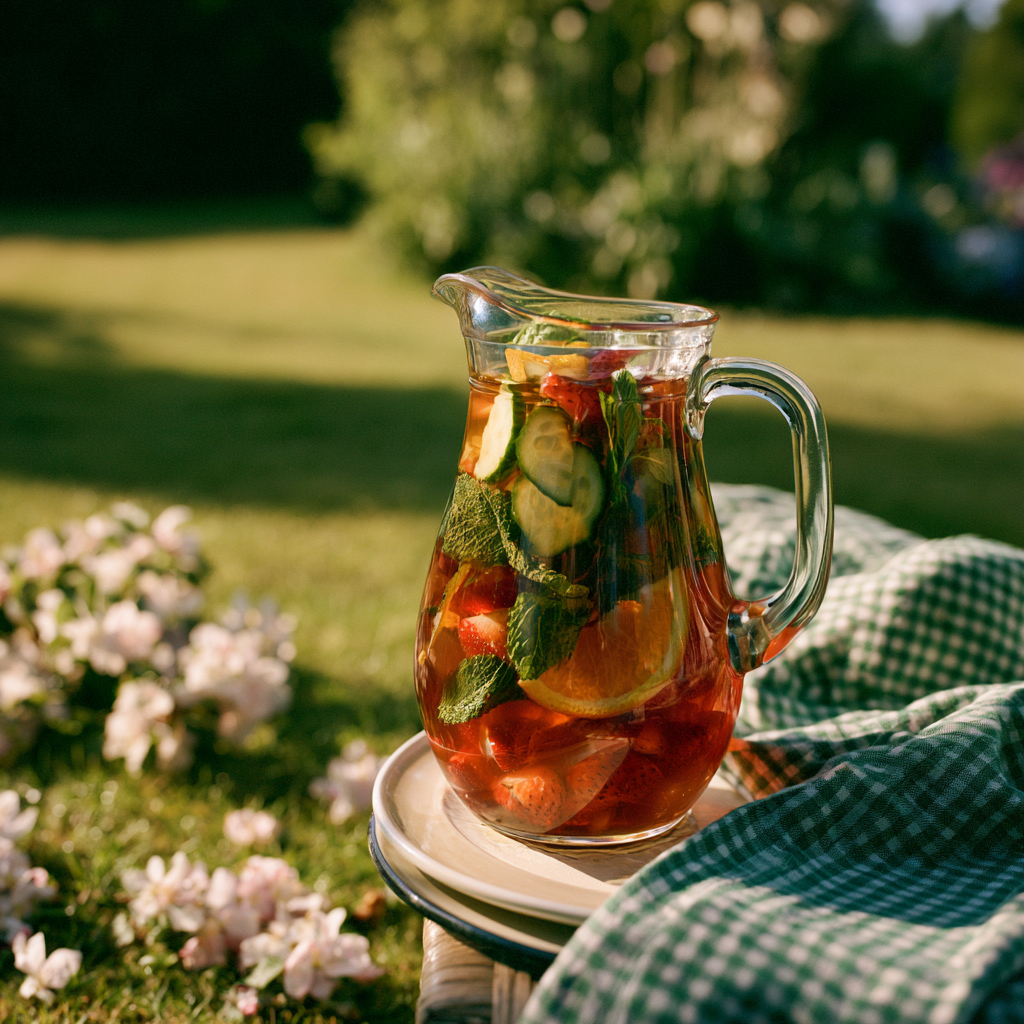
Something cold and sparkling — the last of the summer drinks
A jumper — not optional, not even a question, just put it in the bag
The good glasses, still, always
Etiquette (as ever, kindly enforced): Leave the field as you found it. Wave at everyone — August people wave back slowly, because August people have nowhere urgent to be. And if it rains, which it might because St Bartholomew hasn't done his work yet, pack up cheerfully and call it a success.
You went. The blackberries were eaten. Someone's fingers are purple.
That is always the whole thing.
The best August picnic is the one where nobody checked the time, the children came back when it got dark, and you drove home slightly sunburnt, slightly sandy, absolutely certain you did summer correctly.
Cooking with the Seasons
The kitchen garden has peaked and is now simply giving everything it has
August in the kitchen is abundance management.
Everything at once. Tomatoes, courgettes, cucumbers, sweetcorn, runner beans, raspberries — all of it, simultaneously, all of it needing to be used, all of it extraordinary, all of it making you simultaneously grateful and slightly overwhelmed in the most delicious way possible.
The kitchen window is still open. The outside table is still where most meals happen. Cooking in August means herbs torn straight from the garden on the way past, tomatoes eaten warm before they reach the kitchen, peas — if you're lucky enough to have the last of them — shelled standing at the back door because some habits are worth keeping.
This is not a month for elaborate cooking. It is a month for getting out of the garden's way, using what it gives, and eating it outside.
What to Cook This Month
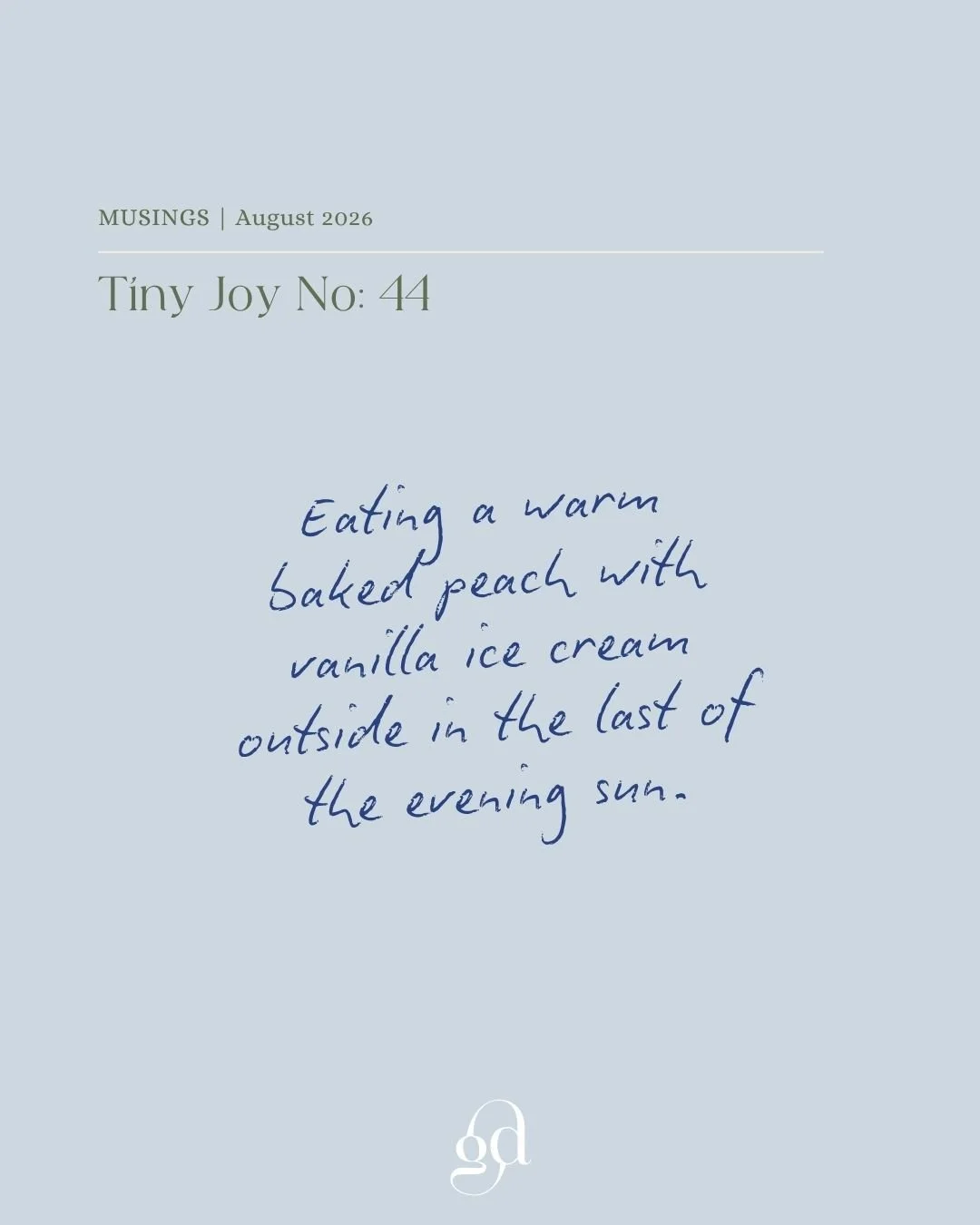
Baked Peaches — the August Pudding: Halve ripe peaches. Add a knob of butter, a scatter of brown sugar, a pinch of cinnamon to each half. Bake at 180°C until soft and caramelised and the kitchen smells like August concentrated into a single extraordinary scent. Serve warm with vanilla ice cream — a tiny drizzle of good olive oil and a pinch of salt if you want to feel sophisticated, which in August you are allowed to do. This is the pudding of the month. Make it at least once. Thank me later.
The Tomato Glut — Slow Roasted Sauce: Halve the tomatoes, lay them cut side up with garlic and thyme and olive oil, roast slowly at 160°C for two hours until concentrated and slightly caramelised and extraordinary. Blitz or leave chunky. Freeze in portions. In January, when you open a container and the smell of August hits you from the freezer, you will feel something very close to joy. Worth every minute of the making.
Sweetcorn on the BBQ: In its husks, straight on the coals. Still the move. Still extraordinary. Pull back the husks, add butter and a little salt, fold back and serve immediately. August sweetcorn needs no improvement. We are simply the fortunate people who get to eat it.
Blackberry and Apple Crumble: The first crumble of the turning year — blackberries from the hedgerow, early apples from the garden or the farm shop, a crumble topping with oats and butter and brown sugar. Eaten warm with custard from a jug. This is summer and autumn in a single mouthful and it is one of the most emotionally resonant things you will eat all year.
The Lammas Loaf: Baked on or around the 1st. Recipe on the blog. Made by hand, eaten warm, outside. The most important loaf of the year.
Runner Beans — Simply Done: Sliced thin, blanched briefly, dressed with butter and black pepper. The stringing and slicing is a meditative August task — do it in the garden if the day is warm enough, something good on the radio, the afternoon stretching pleasantly ahead.
Raspberry Jam — Finally: The last of the summer soft fruit, preserved. Something for October toast, for January scones, for February mornings when you need August to come back and it does, in a jar, golden-pink and warm.
The First Plums: End of August, beginning of September. Eat fresh, with nothing, standing at the kitchen window. Or roast them with a little sugar and a star anise and eat warm with yoghurt. The season turning, officially, beautifully, in a single fruit.
The August Herb Harvest
The Wyrt Moon is rising and the herbs are at their most potent — cut them now, before the season turns. Lavender in bundles, hung upside down somewhere cool and dry. Rosemary and thyme stripped and dried. Mint made into mint sauce, mint sugar, mint frozen in ice cubes for winter drinks. Basil made into pesto while it's still magnificent, before the first cool night ends it. The herb harvest is August's quiet domestic ceremony — a few hours, a dry day, something that lasts all winter.
Tiny Somerset Swaps
Local tomatoes — the farm shop will have them, your neighbours will definitely have them, someone is always giving them away in August and always will be. Somerset honey for baking — buy it from a local beekeeper this month, when the summer honey is freshest. First Somerset apples from the farm shop — early varieties, small and sharp and worth every bite before the main crop arrives in September. Blackberries from the hedgerow because the hedgerow is free, the hedgerow is right there, and the hedgerow's blackberries are better than anyone else's.
Waste-Not Note
Tomato glut → slow-roasted sauce, frozen in portions — January gold. Courgette surplus → soup, fritters, frittata, and the continuing distribution to neighbours who have stopped being surprised. Raspberry tops → cold water infusion, the last of the summer drinks. Peach stones → plant them in a pot and see what happens, because August is optimistic like that. Runner bean excess → blanch and freeze for winter soups. Herb abundance → dry, freeze in oil cubes, make flavoured butter for every BBQ remaining. The last of the strawberries, if any remain → jam. Blackberry leftovers → fool, yoghurt, crumble, eaten directly from the bowl.
This month you’ll find me …
August is the month I stop racing through summer and start holding it.
The basket is still in the boot, permanently, philosophically, without apology, and the good glasses have essentially moved in there. There's a wedge of Godminster that has been replaced three times since June and I consider this a success metric.
Standing in the dahlia patch every single morning with the secateurs, cutting more than seems reasonable, feeling completely correct about this decision.
At the Somerset sunflower farm with the children, standing in the middle of something impossibly golden, taking too many photographs, bringing home far too many flowers, not being remotely sorry about any of it.
Hosting Cousin Camp — the very first one, a new tradition beginning, the cousins united, happy memories being made on purpose. The older ones are on the cusp of eye-rolling. I'm starting the tradition anyway. It is never too late.
Blackberry picking in the Somerset hedgerows with a colander and extremely low expectations about keeping a clean white T-shirt, which I no longer own.
At the orchard towards the end of the month — the fruit swelling, the first apples — feeling the year turn its great corner and finding, to my own surprise, that I'm ready.
On the lawn on the night of the 12th, blanket down, watching the Perseids. Someone small next to me, possibly already half asleep, definitely waking up for every shooting star. Wishes being made. The kind of evening that becomes a story.
Setting an alarm for 4am on the 27th to watch the Sturgeon Moon eclipse. Drinking tea in the dark garden while the Moon turns amber and reddened in Earth's shadow. Feeling very small and very lucky and very glad to be awake for this.
Watering the garden with washing-up water because the hosepipe ban is real and the garden still needs us and this is what we do.
Under the fairy lights in the long August evenings, reading. Friends by Robin Dunbar. Yesteryear. Letting time pass at its own pace, which in August is slow and golden and exactly right.
Watching the skies above the garden. Waiting. The swallows have been quiet. I keep looking up.
Adding things to the house from Facebook Marketplace — garden furniture, crockery, the antique stone fountain that is absolutely happening this autumn whether the garden is ready for it or not. August always makes me want to add things, nest a little, prepare. I have stopped questioning this and started leaning in.
School uniform shopping — the new shoes, the new pencil case — with the particular bittersweet feeling of a summer ending and a new chapter beginning that I have never quite got used to, and probably never will, and wouldn't want to.
Playing with the children and letting time pass rather than racing through it. Just — being here. In this garden. In this August. While it's still this.
August. The Sunday of summer. The most golden pause.
May your dahlias overflow, your blackberries stain your fingers, and your August evenings stretch long enough that summer feels like it might, just possibly, last forever.
With love, Gemma x
Stay a while …

The Piknic Club
Life is too short for boring picnics.
The Piknic Club is where the blanket-spreading, basket-packing, joy-seeking community lives. Seasonal boxes, curated picks, and the kind of picnic inspiration that makes you want to drop everything and go outside immediately.
Come and be nosey …
The blanket is always out over on Instagram. Behind the scenes Picnicscapes, Somerset life as it actually happens, and the occasional opinion about gingham.