
The Role of Outdoor Banquets in Ancient Rome and Egypt
Imagine this: a long, sun-dappled afternoon spent beside the Nile, where grand statues of gods are paraded along the river, and entire communities gather in devotion and celebration. Or picture yourself reclining in a Roman villa garden, shaded by fragrant lemon trees, with servants passing wine and poetry filling the air. These scenes might seem romanticised, but they capture the essence of outdoor feasting in ancient Egypt and Rome. Just like us, the ancients loved dining alfresco, using outdoor gatherings as a way to connect with nature, each other, and their cultural roots.
Dining by the Nile: Outdoor Feasting in Ancient Egypt
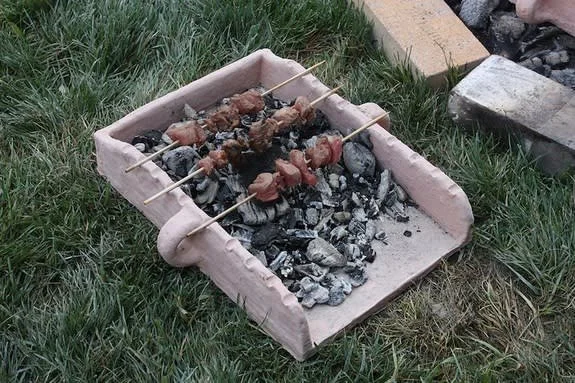
In ancient Egypt, outdoor feasts were far more than a picnic, they were grand, sacred events deeply entwined with the rhythms of religious life. One of the most enchanting examples is the Festival of Opet, a stunning ritual in which statues of deities were ferried from Karnak to Luxor along the Nile. The entire community came together on the riverbanks, not just to feast, but to reaffirm their devotion. Here, people weren’t just eating; they were celebrating divine blessings in a setting as majestic as the gods they honoured.
If you look closely at tomb art and temple carvings, scenes of these open-air feasts come to life. Families sit cross-legged on mats, surrounded by palm trees and blooming lotus flowers, dining on Egypt’s staples: hearty bread, fresh vegetables, fruits, and a good helping of beer. Food, in fact, was as essential to these gatherings as the riverside breeze. A typical feast spread included vegetables like onions and garlic, fruits such as dates and figs, and meats like beef and fish, all seasoned with local spices and sweetened with honey. Every meal was a celebration of Egypt’s agricultural abundance, a joyful feast under the Egyptian sun.
Roman Garden Parties: Feasting with Flair in Ancient Rome
The Romans took outdoor dining to new heights, turning every feast into a spectacle of social and political posturing. Imagine an elaborate garden filled with flowers, sculptures, and trickling fountains, where guests reclined on couches and were serenaded with music and poetry. This was Rome’s ‘cena’, an evening meal that often took place al fresco, especially in the warmer months. Outdoor gatherings allowed Romans to showcase their wealth and taste, as well as their intellectual prowess.
Feasts like Saturnalia, a raucous festival that turned social norms on their head, saw the entire community gathering outdoors, often breaking bread with people from all social classes. These public feasts were joyful, egalitarian affairs, where food and drink flowed freely, and social divides were blurred, if only temporarily. Art and literature from the period illustrate this love for outdoor revelry, depicting guests enjoying wine and lavish meals under pergolas or shaded by olive trees. Romans brought the indoors out, turning their villa gardens into lush dining rooms, complete with ornate sculptures and furniture, making each meal a grand affair.
The Food of the Gods (and Emperors): Culinary Traditions and Protocols
In Egypt, outdoor feasts offered a menu rooted in the land. Bread made from emmer wheat, fresh vegetables, and seasonal fruits were staples, while meat and fish were reserved for special gatherings. Egyptians enhanced their meals with honey and local herbs, creating a balanced and flavourful spread that was both nourishing and symbolic of the land’s bounty.
Romans, on the other hand, turned feasting into an art form. The structure of a Roman meal was carefully planned: ‘gustatio’ (appetisers), the main course, and finally ‘secunda mensa’ (desserts). Feasting was a leisurely affair, where guests reclined, engaged in intellectual debate, and savoured the many courses with wine flowing freely. The food was rich and varied: think roasted meats, seafood, fresh fruits, and nuts. Each meal was a ritual of indulgence, with the finest ingredients chosen to impress.
Setting the Stage: Nature as the Ultimate Dining Room
Location mattered immensely to both the Egyptians and Romans. In Egypt, the Nile itself was the backdrop to many feasts. The river symbolised life and abundance, and it made sense to celebrate amidst its banks, bringing people close to nature and to the divine. Temple courtyards and lush gardens were also favoured spots, where greenery provided shade and symbolised prosperity.
Romans, known for their love of grandeur, preferred gardens, courtyards, and countryside villas. These settings offered peace and beauty, with flowers, fountains, and often ornate pergolas that made the outdoor dining experience truly immersive. It wasn’t just about escaping the hustle of the city; it was about creating a dining room in the heart of nature. The gardens became a symbol of status, and with them, outdoor dining took on an aesthetic purpose, a place to not only dine but to admire.
Why the Ancients Loved an Outdoor Feast (And Why We Still Do)
Outdoor feasting was more than a dining preference for the Egyptians and Romans; it was a cultural statement, a way to bond with nature, family, and the divine. By coming together in the open air, these communities strengthened social bonds, celebrated the abundance of their lands, and honoured their gods. Perhaps what makes these ancient picnics so fascinating is that they remind us of the universal appeal of dining outdoors — a tradition that feels just as relevant today as it did thousands of years ago.

So next time you’re sitting under a tree, enjoying a feast with friends, remember you’re part of a long history of outdoor dining enthusiasts. It’s a ritual that transcends time, rooted in a love for food, fresh air, and good company.
Whether it’s by the Nile, in a Roman garden, or your local park, there’s something timeless and universal about dining al fresco — a tradition as rich as the lands that inspire it.
Love Gem xxx